Facial Skin Lesion Removal Manly | Dr Mohammad Khalesi | South Steyne Medical Centre
Facial Skin Lesion Removal in Manly
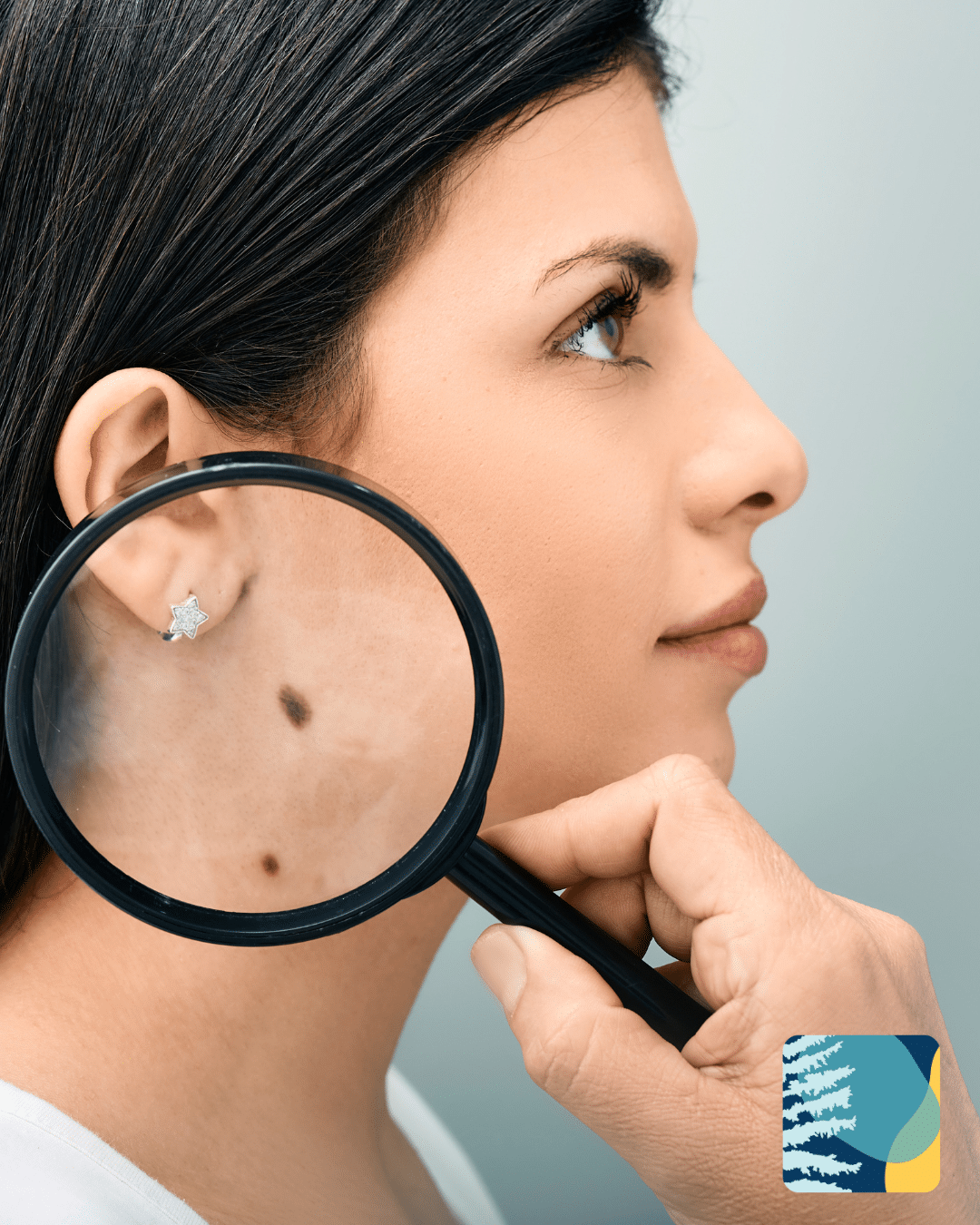
If you are concerned about a mole, lump, cyst, skin cancer or other mark on your face, South Steyne Medical Centre offers facial skin lesion removal in Manly with Dr Mohammad Khalesi.
Skin concerns on the face can be stressful. Patients are often worried about whether the lesion is serious, whether it needs to be removed, and what the area will look like afterwards. Because the face is highly visible, any procedure needs careful assessment and planning.
Dr Mohammad Khalesi is a GP with a special interest in skin cancer medicine and advanced skin procedures. He has completed a PhD in Skin Cancer Medicine and has experience in the assessment, prevention and surgical management of skin cancers, moles and selected skin lesions.
At South Steyne Medical Centre in Manly, Dr Khalesi can assess facial skin lesions and discuss whether removal, monitoring, biopsy or referral is the most appropriate next step.
What Is a Facial Skin Lesion?
A facial skin lesion is a general term for a mark, lump, mole, cyst, spot or growth on the face. Some facial lesions are harmless, while others may require closer assessment or removal.
Common facial skin concerns may include:
- Moles
- Suspicious skin lesions
- Skin cancers
- Cysts
- Raised spots or lumps
- Non-healing sores
- Crusting or bleeding lesions
- Sun-damaged areas
- Lesions that are irritated by shaving, glasses or clothing
Not every facial lesion needs to be removed. The first step is a proper medical assessment.
Facial Skin Lesion Assessment at South Steyne Medical Centre
During an appointment, Dr Khalesi will assess the lesion and consider its appearance, history and any changes over time.
This may include:
- Asking when the lesion first appeared
- Checking whether it has changed in size, shape or colour
- Assessing whether it bleeds, crusts, itches or becomes painful
- Considering your skin type and sun exposure history
- Reviewing any personal or family history of skin cancer
- Discussing whether removal, biopsy, monitoring or referral is appropriate
For lesions that may be suspicious, pathology testing may be recommended if removal or biopsy is performed.
Facial Mole Removal in Manly
Many patients seek assessment for facial moles because they are changing, irritated, difficult to monitor or cosmetically concerning.
Dr Khalesi can assess facial moles and advise whether removal is clinically appropriate. If removal is recommended, he will explain the procedure, scarring risk, expected healing time and whether the mole should be sent to pathology.
Facial mole removal requires careful planning because the face is a cosmetically sensitive area. In some cases, removal can be performed at South Steyne Medical Centre. In other cases, referral to a dermatologist or plastic surgeon may be the safest option.
Facial Skin Cancer Removal in Manly
The face is one of the most common areas for sun-related skin damage and skin cancer, particularly in people who have spent many years outdoors.
Facial skin cancers or suspicious lesions should be assessed promptly, especially if they are growing, bleeding, crusting, changing or not healing.
Where clinically appropriate, Dr Khalesi can perform removal of suitable facial skin cancers or suspicious lesions. The tissue is usually sent to pathology to confirm the diagnosis and guide any further management.
Some facial skin cancers may require specialist referral, particularly if they are large, complex, recurrent or located in a high-risk area.
Why Facial Skin Procedures Need Careful Planning
Procedures on the face require particular care because even small changes can affect appearance, comfort and function.
When assessing a facial skin lesion, Dr Khalesi considers:
- The size and location of the lesion
- Whether the lesion may be suspicious
- Whether pathology testing is needed
- The likely wound closure method
- Skin tension and healing
- Scarring risk
- Cosmetic outcome
- Whether specialist referral is appropriate
The priority is always safe, clinically appropriate care.
Will Facial Skin Lesion Removal Leave a Scar?
Any procedure that cuts the skin can leave a scar. The size and appearance of the scar depends on the lesion, its location, the removal technique, wound closure, healing process and individual skin type.
Before any procedure, Dr Khalesi will discuss what to expect, including scarring, wound care and follow-up. For some lesions, referral may be recommended if the location or complexity means specialist care is more appropriate.
About Dr Mohammad Khalesi
Dr Mohammad Khalesi is a GP consulting at South Steyne Medical Centre with a special interest in skin cancer medicine and advanced skin procedures.
He has completed a PhD in Skin Cancer Medicine and has been featured as an expert on SBS News Podcast and 7NEWS TV discussing ultraviolet radiation, sunscreen and skin cancer prevention.
You can read more about Dr Mohammad Khalesi here:
[Insert link to Dr Mohammad Khalesi’s SSMC profile]
Book Facial Skin Lesion Removal in Manly
If you are concerned about a mole, lump, cyst, skin cancer or other facial skin lesion, you can book an appointment with Dr Mohammad Khalesi at South Steyne Medical Centre.
For general enquiries or if you would prefer to contact the practice directly.
You can also learn more about related services here.
Frequently Asked Questions
What is the best keyword instead of facial skin procedures?
A better patient-focused keyword is facial skin lesion removal Manly. Patients are more likely to search for help with a mole, skin cancer, cyst, lump or lesion on their face than for the broader phrase “facial skin procedures”.
Can Dr Khalesi remove moles from the face?
Dr Khalesi can assess facial moles and remove suitable lesions where clinically appropriate. Some facial moles may require referral depending on their features, location or complexity.
Can facial skin cancers be removed at South Steyne Medical Centre?
Some facial skin cancers or suspicious lesions may be suitable for removal at South Steyne Medical Centre. More complex lesions may require referral to a dermatologist, plastic surgeon or other specialist.
Should I worry about a non-healing spot on my face?
A non-healing spot, especially one that bleeds, crusts, grows or keeps returning, should be assessed by a doctor. It may be harmless, but it can also be a sign of skin cancer.
Will facial lesion removal leave a visible scar?
Any skin procedure can leave a scar. Dr Khalesi will discuss scarring, wound care and expected healing before the procedure. The face often heals well, but results vary between patients.
Is facial skin lesion removal painful?
Procedures are usually performed under local anaesthetic, so the area should be numb during the procedure. Some discomfort may occur after the anaesthetic wears off.
Will the lesion be sent to pathology?
If a lesion is suspicious or removed for clinical reasons, it is usually sent to pathology. This helps confirm the diagnosis and guide further care.
Can I have a facial lesion removed for cosmetic reasons?
Some facial lesions may be removed because they are irritated, bothersome or cosmetically concerning. Dr Khalesi will assess the lesion first and discuss whether removal is appropriate.
How long does healing take after facial lesion removal?
Healing time depends on the size and location of the lesion and the type of procedure performed. You will be given wound care instructions and advised when to return for follow-up if needed.
Can I book directly with Dr Mohammad Khalesi?
Yes. Patients can book with Dr Khalesi through HotDoc or contact South Steyne Medical Centre directly for assistance.