
yellow-fever-accredited-medical-centre.png
01/Oct/2026

Looking for a Yellow Fever Provider in Sydney? Yellow Fever Vaccination with Dr Vivian Chan in Manly

If you are travelling to parts of Africa or South America, yellow fever vaccination may be an important part of preparing for your trip. Some countries also require travellers to provide an official yellow fever vaccination certificate before entry, depending on where they have travelled or transited.

For travellers looking for a yellow fever provider in Sydney, Dr Vivian Chan provides travel medicine consultations, including yellow fever vaccination, at South Steyne Medical Centre in Manly.

Dr Chan is an experienced General Practitioner with more than 20 years of experience across general practice and emergency medicine. She has a particular interest in travel medicine and is an accredited Yellow Fever vaccine provider.

To book an appointment with Dr Chan for a yellow fever vaccine please visit our Travel Medicine Clinic webpage to learn more.

What is yellow fever?

Yellow fever is a viral disease transmitted through the bite of infected mosquitoes. It occurs primarily in tropical and subtropical areas of Africa and South America and can cause serious illness in some people.

There is no specific antiviral treatment for yellow fever, which makes prevention particularly important for people travelling to areas where the virus occurs.

The Australian Immunisation Handbook recommends yellow fever vaccination for people aged 9 months and over travelling to areas where there is a risk of yellow fever virus transmission.

Do I need a yellow fever vaccination?

Whether you require yellow fever vaccination depends on several factors, including:

  • the countries you are visiting
  • the areas within those countries you will be travelling to
  • countries you will transit through
  • the duration and nature of your travel
  • your age and medical history
  • the entry requirements of your destination.

Some countries require an International Certificate of Vaccination or Prophylaxis (ICVP) as proof of yellow fever vaccination. Requirements can also apply when entering a country after visiting or transiting through an area where yellow fever occurs.

Because entry requirements can change, travellers should check the latest requirements for every country on their itinerary, including transit destinations.

Yellow Fever Vaccination in Sydney

Yellow fever vaccination is different from many routine travel vaccinations because it can only be provided through an approved Yellow Fever Vaccination Centre.

Following an appropriate consultation and vaccination, eligible travellers can be issued with the official International Certificate of Vaccination or Prophylaxis used as evidence of yellow fever vaccination for international travel.

At South Steyne Medical Centre in Manly, Dr Vivian Chan provides travel medicine consultations and is an accredited Yellow Fever vaccine provider.

This makes SSMC a convenient option for patients from Manly, the Northern Beaches and wider Sydney who need to organise their yellow fever vaccination before travelling.

When should I get my yellow fever vaccine before travelling?

Travellers should organise their travel health consultation well before departure where possible.

For a person’s first yellow fever vaccination, the International Certificate of Vaccination or Prophylaxis becomes valid 10 days after vaccination. This is particularly important if your destination requires proof of vaccination as a condition of entry.

Leaving your travel health consultation until the last minute can also make it more difficult to complete other recommended vaccinations before departure.

Ideally, book a travel consultation as soon as you know your itinerary.

How long does yellow fever vaccination last?

For most travellers, a single dose of yellow fever vaccine provides long-lasting protection.

Since 2016, Australia has recognised an International Certificate of Vaccination or Prophylaxis for yellow fever as being valid for the lifetime of the vaccinated person. Some people may still be recommended to receive an additional dose in particular circumstances, based on their health, previous vaccination and travel plans.

If you have previously received a yellow fever vaccination but are unsure whether you require another dose, discuss your previous vaccination history and upcoming itinerary with your doctor.

What happens during a travel medicine consultation?

Yellow fever vaccination is only one part of preparing for international travel.

During a travel medicine consultation, your doctor can review your destination, itinerary, medical history and vaccination history to determine which precautions may be appropriate.

Depending on where you are travelling, this may include discussion of vaccinations or preventative measures relating to conditions such as:

  • hepatitis A and B
  • typhoid
  • Japanese encephalitis
  • rabies
  • meningococcal disease
  • tetanus
  • influenza
  • malaria
  • mosquito-borne illnesses
  • traveller’s diarrhoea and food and water safety.

Travel vaccination recommendations vary significantly depending on your destination and individual circumstances.

Who should discuss yellow fever vaccination carefully with their doctor?

Yellow fever is a live vaccine and may not be suitable for everyone.

Your doctor will assess your medical history before vaccination. It is particularly important to discuss your circumstances if you:

  • are pregnant or planning pregnancy
  • are breastfeeding
  • have a condition affecting your immune system
  • take medicines that suppress the immune system
  • have previously experienced a serious reaction to a vaccine
  • are travelling with a baby or young child
  • are an older traveller
  • have significant underlying medical conditions.

Where yellow fever vaccination is medically contraindicated, an accredited Yellow Fever Vaccination Centre may be able to advise whether a medical exemption is appropriate for the particular trip.

Yellow Fever Provider in Manly and Sydney’s Northern Beaches

South Steyne Medical Centre is located opposite Manly Beach in the heart of Manly and provides travel medicine services for patients across the Northern Beaches and wider Sydney.

Dr Vivian Chan has extensive experience in both general practice and emergency medicine. Her previous experience also includes overseas medical evacuations and providing medical support at major international events.

Alongside travel medicine and yellow fever vaccination, Dr Chan’s clinical interests include family medicine, women’s health, menopause care, chronic disease management, iron infusions and wound care.

Book a Yellow Fever Vaccination Consultation with Dr Vivian Chan

If you are planning overseas travel and are looking for a yellow fever provider in Sydney, you can book an appointment with Dr Vivian Chan at South Steyne Medical Centre in Manly.

Bring your travel itinerary and any available vaccination records to your appointment. This can help your doctor determine which vaccinations and other travel health precautions may be relevant to your trip.

Where possible, organise your consultation well before departure, particularly if your destination requires an International Certificate of Vaccination or Prophylaxis.

Book an appointment with Dr Vivian Chan at South Steyne Medical Centre to discuss your travel vaccination requirements.

Frequently Asked Questions

Where can I get a yellow fever vaccine in Sydney?

Yellow fever vaccination must be administered through an approved Yellow Fever Vaccination Centre. Dr Vivian Chan provides travel medicine consultations including yellow fever vaccination at South Steyne Medical Centre in Manly.

Do I need proof of yellow fever vaccination when travelling?

Some countries require an International Certificate of Vaccination or Prophylaxis depending on your destination and previous travel. Requirements can also apply to travellers who have transited through yellow fever risk areas. Check the latest requirements for your complete itinerary before travelling.

How long before travelling should I get the yellow fever vaccine?

For a first yellow fever vaccination, the international vaccination certificate becomes valid 10 days after vaccination. Travellers should therefore organise their consultation in advance rather than immediately before departure.

Does the yellow fever certificate expire?

For most people, the International Certificate of Vaccination or Prophylaxis for yellow fever is recognised as valid for life. Certain travellers may be recommended an additional vaccine dose based on their medical circumstances or the nature of their travel.

Can my other travel vaccinations be reviewed at the same appointment?

Yes. Travel health recommendations depend on your destination, itinerary, activities, medical history and previous vaccinations. A travel medicine consultation provides an opportunity to review your broader vaccination and travel health requirements.



Iron-Infusion-Manly-1.png
15/Sep/2026

Do I Need an Iron Infusion?

Feeling unusually tired, weak or unable to concentrate can make you wonder whether low iron is to blame – and whether an iron infusion could help.

Iron infusions can be an effective way to replenish iron stores, but not everyone with tiredness or even low iron needs an infusion. The first step is working out whether you are iron deficient, why your iron levels are low and which treatment is most appropriate for you.

At South Steyne Medical Centre, your GP can assess your symptoms, review appropriate blood tests and discuss whether oral iron or an iron infusion may be suitable for your circumstances.

What is iron deficiency?

Iron is an essential mineral your body needs to produce haemoglobin, the part of red blood cells responsible for carrying oxygen around the body.

When your iron stores become low, you may develop iron deficiency. If the deficiency progresses to the point that your haemoglobin also falls below the normal range, this is known as iron deficiency anaemia.

Iron deficiency and iron deficiency anaemia are related, but they are not exactly the same thing. This is one reason blood tests and medical assessment are important before deciding on treatment.

What are the signs that my iron might be low?

Symptoms of iron deficiency can vary considerably between people. Some people have few noticeable symptoms, while others may find that low iron affects their day-to-day activities.

Possible symptoms can include:

  • Persistent tiredness or low energy
  • Weakness
  • Difficulty concentrating or feeling mentally “foggy”
  • Reduced ability to exercise or complete normal activities
  • Shortness of breath
  • Dizziness or light-headedness
  • Headaches

These symptoms do not necessarily mean that you have iron deficiency. Fatigue and similar symptoms can have many possible causes, so it is important not to diagnose iron deficiency based on symptoms alone. Healthdirect recommends speaking with your doctor if unusual tiredness, poor concentration or reduced ability to perform normal activities is concerning you.

How do I know if I need an iron infusion?

An iron infusion would generally only be considered after your iron status and overall clinical circumstances have been assessed.

Your GP may arrange blood tests such as a full blood count and tests of your iron stores. Depending on your symptoms and circumstances, other investigations may also be required to understand why your iron is low.

For many people with iron deficiency anaemia, oral iron tablets or liquid are initially used to replace iron. An intravenous iron infusion may instead be considered when oral treatment is unsuitable, ineffective or when iron needs to be replenished more rapidly.

Your doctor may consider an iron infusion if:

Oral iron has not worked

If you have taken oral iron appropriately but your iron levels are not improving sufficiently, your doctor may consider whether intravenous iron is appropriate.

You cannot tolerate oral iron

Iron tablets can cause gastrointestinal side effects in some people, including nausea, constipation, diarrhoea or abdominal discomfort. If these effects make oral treatment difficult to continue, your GP can discuss other options.

You are not absorbing iron effectively

Certain gastrointestinal conditions can interfere with your body’s ability to absorb oral iron. In these circumstances, delivering iron directly into the bloodstream may be considered.

Your iron needs to be replaced more quickly

There are situations where a doctor may determine that iron stores need to be replenished more rapidly, such as before some non-deferrable surgery or in particular clinical circumstances.

There is ongoing iron loss

In some patients, ongoing blood loss can exceed the amount of iron the body is able to absorb through oral treatment. The underlying reason for the blood loss still needs appropriate investigation and management.

Why is finding the cause of low iron important?

Treating low iron is only part of the picture.

Iron deficiency can occur for many reasons. These can include blood loss, increased iron requirements, dietary factors or difficulty absorbing iron.

For example, iron deficiency anaemia is more common in people experiencing heavy menstrual bleeding, during pregnancy and in people with some chronic medical or gastrointestinal conditions.

Rather than simply replacing iron repeatedly, your doctor may recommend further investigation to understand why your iron stores have become depleted.

Do low iron levels automatically mean I need an infusion?

No.

Having a low iron result does not automatically mean an intravenous iron infusion is the right treatment.

For many patients, oral iron remains an appropriate first-line treatment. Your doctor will consider factors such as your blood-test results, symptoms, medical history, previous response to oral iron, ability to tolerate treatment and the reason for your iron deficiency.

This is why it is useful to discuss your results with your GP rather than deciding on an infusion based on a single laboratory result.

What happens during an iron infusion?

During an intravenous iron infusion, iron is delivered into your bloodstream through a cannula placed into a vein, usually in your hand or arm.

Your clinical team will check you during the procedure and monitor for any reaction. The exact duration of the infusion and your overall appointment will depend on the iron preparation, prescribed dose and clinic protocol.

You will generally also need follow-up after treatment to assess your response and determine whether your iron levels have improved.

Are there risks or side effects?

Iron infusions are commonly performed medical procedures, but, like all treatments, they can cause side effects.

These can include:

  • Headache
  • Nausea
  • Dizziness
  • Flushing
  • Muscle or joint discomfort
  • Changes in blood pressure or pulse
  • A metallic taste

Allergic reactions can occur and severe reactions are uncommon. Another uncommon complication is skin staining if iron leaks from the vein into surrounding tissue.

Low phosphate levels can also occur following some intravenous iron treatments and may occasionally cause symptoms such as ongoing tiredness, muscle weakness or bone pain.

Your doctor can discuss the potential benefits and risks as they relate to you before treatment.

Can I have an iron infusion during pregnancy?

Iron deficiency is relatively common during pregnancy, but treatment depends on the stage of pregnancy, severity of the deficiency and your individual circumstances.

Intravenous iron is generally avoided during the first trimester, so it is particularly important to tell your doctor if you are pregnant or think you may be pregnant.

Your GP, obstetrician or maternity care team can advise you on appropriate treatment.

So, do I need an iron infusion?

If you are wondering whether you need an iron infusion, the best place to start is not the infusion itself – it is finding out whether you are iron deficient and why.

An iron infusion may be considered if:

  • Blood tests confirm that iron replacement is required
  • Oral iron is unsuitable or poorly tolerated
  • Oral treatment has not adequately corrected the deficiency
  • You have difficulty absorbing oral iron
  • Your doctor believes iron needs to be replenished more rapidly

The decision should be made with your doctor after considering your symptoms, blood results, medical history and the underlying cause of your iron deficiency.

Iron Infusions in Manly

South Steyne Medical Centre provides an Iron Infusion Clinic in Manly, conveniently located directly opposite Manly Beach.

If you have been told that your iron is low, have had difficulty taking oral iron, or would like to discuss whether an infusion may be appropriate, you can book an appointment with a GP at South Steyne Medical Centre.

Learn more about our Iron Infusion Clinic in Manly

Frequently Asked Questions

Can I request an iron infusion without having a blood test?
An iron infusion should be based on an appropriate medical assessment. Your GP will generally need relevant blood-test results and clinical information before recommending intravenous iron.

Is an iron infusion better than iron tablets?
Not necessarily. Oral iron is appropriate for many patients and is commonly used as a first treatment. Intravenous iron has particular advantages when oral iron cannot be tolerated, is not adequately absorbed or has not been effective, or where faster replacement is clinically necessary.

How quickly will I feel better after an iron infusion?
Response varies between individuals and depends on the extent of the iron deficiency, whether anaemia is present and whether other factors are contributing to your symptoms. Follow-up blood tests may be recommended to assess your response.

Can an iron infusion fix fatigue?
An iron infusion treats iron deficiency; it is not a general treatment for tiredness. If your fatigue has another cause, replacing iron may not resolve it. Your GP can help investigate persistent fatigue.

Do I need more than one iron infusion?
Some patients may require more than one infusion depending on their iron deficit, treatment used and response. Your treating doctor will advise you based on your individual circumstances.

Medical disclaimer: This information is general in nature and is not a substitute for individual medical advice. Speak with your doctor about your symptoms, test results and whether iron replacement is appropriate for you.


do-i-need-a-dive-medical-australia.png
18/Aug/2026

Do I Need a Dive Medical Before Scuba Diving in Australia?

If you’re planning to learn to scuba dive, return to diving after some time away, or have been asked to obtain medical clearance by a dive school, you may be wondering: do I need a dive medical before scuba diving in Australia?

The answer depends on your individual health, the type of diving you plan to do, and the requirements of your diving course or operator.

Many recreational divers will initially complete a medical screening questionnaire or declaration. Depending on your answers, you may then be asked to have a medical assessment before diving.

The South Pacific Underwater Medicine Society (SPUMS) recommends that people considering recreational compressed-gas diving undergo a medical risk assessment before commencing diving, and that assessment is repeated following a significant illness or change in health.

If you have been told that you require a dive medical in Sydney, doctors consulting at South Steyne Medical Centre in Manly provide recreational dive medical assessments.

Book a Dive Medical in Manly

Learn more about dive medicals in Manly.

What Is a Dive Medical?

A dive medical is a medical assessment that considers whether there are health factors that could increase the risks associated with scuba diving.

Scuba diving exposes the body to conditions that are very different from those experienced on land. Changes in pressure, breathing compressed gas, immersion and the physical demands of diving can all have implications for particular medical conditions.

SPUMS describes the purpose of a recreational diving medical as assessing both the general medical risks associated with compression and breathing compressed gases and risks relating to an individual diver’s health.

A dive medical is therefore different from a routine health check. The assessment specifically considers health in the context of being underwater.

Does Everyone Need a Dive Medical Before Scuba Diving?

Not every recreational diving situation requires every person to arrive with a doctor’s medical certificate.

The requirements can depend on factors including:

  • whether you are learning to dive or are already a certified diver;
  • the requirements of your dive school or certification organisation;
  • your answers to a diving medical questionnaire;
  • your age and medical history;
  • whether your health has changed since you last dived; and
  • where and under what circumstances you are diving.

For example, recreational diving regulation in Queensland requires entry-level and non-certified divers to complete a medical declaration, with entry-level divers providing a medical certificate where required.

Individual diving organisations and operators may also have their own medical screening requirements.

If your dive school has provided you with medical paperwork, it is a good idea to bring this with you to your appointment.

When Might I Need a Dive Medical?

There are a number of situations where you may be asked to obtain a diving medical assessment.

You’re learning to scuba dive

People beginning an Open Water or other entry-level scuba course will generally be asked about their medical history before starting training.

Depending on your answers and the requirements of the course provider, you may need assessment by a doctor before participating.

You answered “yes” on your diving medical questionnaire

Medical screening questionnaires are designed to identify health issues that may need to be considered before diving.

Being referred for a medical assessment does not necessarily mean that you cannot scuba dive. It means a doctor needs to consider the relevant condition and the particular risks associated with diving.

Depending on the circumstances, further investigation or specialist advice may sometimes be appropriate. SPUMS advises referral to a specialist diving physician where a medical issue is outside the examining doctor’s expertise or requires further consideration.

Your health has changed

Even experienced divers should consider their fitness to dive when there has been a significant change in their health.

This could include a new medical condition, significant illness, surgery, injury or another change that may affect your ability to dive safely.

SPUMS recommends that a diving medical risk assessment be repeated following a significant illness or change in health status.

You’re returning to diving after a long break

If you haven’t dived for some time, particularly if your health has changed since your last dive, it may be appropriate to discuss your medical fitness for diving before getting back in the water.

You’re aged 45 or over

Age alone does not mean that somebody cannot scuba dive.

However, SPUMS recommends that diving candidates and established divers aged 45 years and over undergo medical assessment with a focus on cardiovascular health. It recommends reassessment at intervals of no more than five years after age 45, even when there are no other health issues.

Your individual circumstances may mean assessment is appropriate more frequently.

What Medical Conditions Can Be Relevant to Scuba Diving?

A wide range of health factors can potentially be relevant because the underwater environment places different demands on the body.

A dive medical may consider areas such as:

  • cardiovascular health;
  • respiratory and lung health;
  • ears, sinuses and the ability to equalise pressure;
  • neurological history;
  • previous episodes of loss of consciousness or seizures;
  • diabetes and other metabolic conditions;
  • medications;
  • mental health;
  • previous diving-related problems;
  • physical fitness and mobility; and
  • other relevant medical or surgical history.

This does not mean that having one of these conditions automatically prevents someone from diving.

Fitness to dive is an individual medical assessment. Some conditions may require further assessment, additional information or specialist advice before a decision can be made.

SPUMS notes that some medical conditions create substantial risks when diving, while others may represent a more modest risk and may not necessarily preclude recreational diving.

What Happens During a Dive Medical?

Your doctor will review your medical history and assess factors relevant to recreational diving.

The exact assessment will depend on your individual circumstances and the medical form or requirements associated with your proposed diving activity.

SPUMS’s current recreational diving guidance includes assessment of medical history and physical examination across health areas relevant to diving. Its current guidelines are the sixth edition, published in September 2025.

If an issue is identified during the assessment, your doctor can discuss what it means and whether further investigation or specialist assessment is appropriate.

Can I Get a Dive Medical From My Regular GP?

A recreational diving medical involves considerations that are not encountered in everyday life.

SPUMS recommends that medical practitioners performing diving medical risk assessments have specific training in diving medicine and maintains a list of doctors with recognised training.

If you are booking a medical specifically for scuba diving, it is therefore worth telling the clinic that you require a dive medical when arranging your appointment rather than booking a standard consultation.

Is a Recreational Dive Medical the Same as a Commercial Diving Medical?

No.

A recreational diving medical and an occupational or commercial diving medical are different assessments with different requirements.

SPUMS’s recreational diving medical guidelines specifically state that they do not apply to occupational divers.

Occupational diving in Australia has separate medical requirements associated with AS/NZS 2299.1. The Australian Diver Accreditation Scheme states that occupational diver medicals are required every 12 months and must be undertaken by an appropriately qualified doctor.

If you require a medical for work or professional diving, make sure you tell the clinic before booking so you can confirm that the appropriate type of assessment is available.

Dive Medicals in Sydney and Manly

If you have been asked to organise a dive medical in Sydney, recreational diving medical assessments are available with participating doctors consulting at South Steyne Medical Centre in Manly.

Located close to Manly Beach, the practice is convenient for divers living across Manly, the Northern Beaches and wider Sydney.

When booking, let reception know that you require a dive medical so that you can be booked with an appropriate doctor and advised about anything you should bring to your appointment.

[Book a Dive Medical]

Frequently Asked Questions About Dive Medicals

Do I need a dive medical to learn to scuba dive?

You will generally need to complete medical screening before beginning scuba training. Whether you then require assessment and clearance from a doctor depends on your health, your answers to the questionnaire and the requirements applying to your course or dive operator.

Does being referred for a dive medical mean I can’t dive?

No. A request for medical assessment does not by itself mean you are unable to scuba dive. The purpose of the appointment is to assess the particular medical issue and the risks associated with diving.

Should experienced divers have dive medicals?

Medical fitness for diving can change over time. SPUMS recommends reassessment following a significant illness or change in health and recommends periodic assessment for divers from age 45.

What should I bring to my dive medical?

If your dive school, certification organisation or dive operator has given you a medical questionnaire, certificate or other paperwork, bring it to your appointment.

You should also be prepared to discuss your medical history, current medications and any relevant previous investigations or specialist care.

Where can I get a dive medical in Sydney?

Participating doctors consulting at South Steyne Medical Centre in Manly provide recreational dive medical assessments. When booking, specify that the appointment is for a dive medical.

Book a Dive Medical in Sydney

Whether you’re preparing for your first scuba course, returning to diving or have been asked to obtain medical assessment, you can arrange a recreational dive medical in Manly with a participating doctor at South Steyne Medical Centre.

South Steyne Medical Centre
Manly, Northern Beaches, Sydney

Book a Dive Medical in Manly

Learn more about dive medicals in Manly.

This article provides general information only and does not replace individual medical advice. Requirements for diving courses and operators can vary. If you are unsure whether you require a medical assessment, check with your dive operator or training organisation and discuss your individual circumstances with your doctor.


supporting-independence-after-65-geriatrician-manly.png
03/Jul/2026

Supporting Independence After 65: Practical Steps for Older Adults

Maintaining independence in older adults is not necessarily about doing everything without help. It is about preserving choice, confidence and the ability to take part in the activities that matter to you.

That might mean preparing your own meals, seeing friends, managing medications or continuing to live safely at home. When these activities become more difficult, understanding why is the first step towards finding suitable support.

For people with several overlapping health concerns, a comprehensive geriatric assessment with Dr Amit Gupta can help explore the medical and functional issues affecting daily life.

Recognising Changes in Everyday Activities

Changes in independence can be gradual. A person may start avoiding shopping, leave household tasks unfinished or rely more heavily on family members without discussing what has changed.

Consider speaking with a GP when there is:

  • Increasing difficulty preparing meals, shopping or managing personal care.
  • Trouble keeping track of medications, appointments or familiar tasks.
  • Reduced mobility, repeated stumbles or reluctance to leave home.
  • Unexplained weight loss, social withdrawal or increasing reliance on carers.

These changes do not point to one particular diagnosis. They are reasons to look more closely at the person’s health, circumstances and support needs.

Address the Reason a Task Has Become Difficult

The most useful support depends on what is causing the difficulty.

Someone avoiding the shops because of poor balance may need a different approach from someone who is forgetting what to buy. Similarly, difficulty preparing meals might relate to pain, fatigue, low mood or changes in memory.

Try to identify specific examples rather than describing someone as simply “not coping”. This gives their GP a clearer starting point.

Mobility and Confidence

Feeling unsteady or worrying about another fall can affect everyday activities. A medical review can help identify contributing factors and whether physiotherapy, an appropriate exercise program or other support may be useful.

Read more about falls prevention for older adults.

Memory and Organisation

Missed appointments, repeated medication mistakes or difficulty following familiar routines may warrant further investigation.

Our guide to memory concerns and cognitive assessment explains what to discuss with a doctor.

Mood and Social Connection

Withdrawal from hobbies or social activities may reflect more than reduced mobility. Low mood, anxiety or loss of confidence may also be contributing.

Learn about mood changes in older adults and when to seek help.

What Practical Support Might Help?

Depending on the assessment, recommendations may include reviewing medications, arranging allied health input, considering mobility aids or home safety changes, or discussing assistance with meals, transport and household tasks.

Support should be matched to the person’s needs and preferences. A useful starting question is: “What would you most like to keep doing, and what is getting in the way?”

A geriatrician can help assess complex medical and functional concerns and work with the GP and other professionals involved in care.

How Families and Carers Can Help

Start by asking what the person has noticed and what help they would welcome. Offer to attend a GP appointment or write down examples together.

Be specific about changes, such as difficulty getting out of a chair or forgetting an evening medication. Try to keep the person involved in discussions rather than making decisions around them.

It is also worth discussing whether existing family or carer support is becoming difficult to sustain.

Where a 75+ Health Assessment Fits

For eligible adults aged 75 and over, a GP health assessment provides an opportunity to review physical health, medications, daily activities, memory, mood and available support.

This is different from a specialist geriatric assessment. Your GP can advise on eligibility and whether concerns identified during the assessment warrant further investigation or referral.

You can book a GP appointment at South Steyne Medical Centre to discuss changes in independence or ask about a 75+ health assessment.

Frequently Asked Questions

Does accepting help mean losing independence?

Not necessarily. Appropriate support can help someone continue activities they value. The aim is to address difficulties while keeping the person’s preferences central to care planning.

Does seeing a geriatrician mean moving into residential aged care?

No. A geriatric assessment considers a person’s health, function and support needs. It does not automatically mean that their living arrangements need to change.

For specialist appointment enquiries, contact South Steyne Medical Centre about seeing Dr Amit Gupta.


mood-changes-depression-anxiety-older-adults-manly.png
03/Jul/2026

Mood Changes, Depression and Anxiety in Older Adults

Persistent low mood, anxiety or loss of interest should not be dismissed as an unavoidable part of getting older.

Changes in health, bereavement, loneliness or reduced independence can affect emotional wellbeing. However, depression and anxiety in older adults deserve assessment and support, just as they do at any other age.

Some people describe feeling sad or worried. Others may first notice poor sleep, low energy, irritability or less interest in seeing family and friends.

Signs Worth Discussing With a GP

Changes that may warrant a medical review include:

  • Persistent sadness, worry, irritability or feelings of hopelessness.
  • Withdrawal from activities, relationships or usual routines.
  • Changes in sleep, appetite, energy or motivation.
  • Difficulty concentrating, reduced confidence or neglect of self-care.

These symptoms can have several causes. Their presence does not establish a diagnosis, but they should be discussed with a GP when they persist, worsen or affect daily life.

Seek help sooner if symptoms are severe or there are concerns about safety.

Why a Broader Assessment Can Be Important

Mood symptoms may occur alongside physical illness, pain, medication changes or difficulties with sleep and mobility. Grief and social isolation may also play a part.

A GP can explore when the changes began, how they affect daily life and whether medical or social factors need attention.

When mood concerns occur alongside complex medical needs, memory changes or reduced function, specialist assessment with Dr Amit Gupta may help bring these issues together.

Not every mood concern requires a geriatrician. Depending on the circumstances, care may involve the GP, a psychologist, a psychiatrist or other services.

Mood and Memory Can Affect Each Other

Depression and anxiety can affect concentration and memory. At the same time, worrying about changes in thinking or everyday abilities can affect mood.

This can make it difficult for patients and families to understand what is happening. Assessment considers the pattern of symptoms rather than assuming that memory changes are caused by either depression or dementia.

Read more about memory concerns in older adults and cognitive assessment.

How Can Assessment Guide Support?

The next steps depend on the individual’s symptoms, health conditions and preferences.

Recommendations may include addressing physical health problems, reviewing medications, psychological support, practical help at home or services that support social connection. Further specialist review may be appropriate in some circumstances.

The aim is to understand the contributing factors and develop a suitable plan, rather than assuming there is one explanation or one treatment for everyone.

Where mood changes are affecting everyday activities, our article on supporting independence after 65 may also be helpful.

Supporting Someone You Are Concerned About

Choose a quiet moment to ask how they have been feeling. Mention specific changes you have noticed without making assumptions about the cause.

You might offer to help arrange an appointment, attend with their agreement or write down concerns beforehand. Listening without dismissing symptoms as “just ageing” can be an important first step.

When Urgent Help Is Needed

If someone is in immediate danger or at immediate risk of harming themselves, call 000.

For crisis support, contact Lifeline on 13 11 14. Thoughts of suicide or self-harm require prompt professional help rather than waiting for a routine specialist appointment.

Arranging a Review

Speak with your usual GP or book a GP appointment at South Steyne Medical Centre.

Your GP can assess your concerns and discuss whether specialist input would be helpful. With a referral, you can contact reception to enquire about an appointment with Dr Gupta.

Frequently Asked Questions

Can depression affect someone who does not describe feeling sad?

Yes. Some older adults primarily report physical symptoms, poor sleep, reduced energy or loss of interest. A GP can help assess what these changes may mean.

Will treatment always involve medication?

Not necessarily. Treatment depends on the assessment and may involve psychological, medical, practical or social support. Your treating clinician can discuss appropriate options with you.


falls-prevention-older-adults-manly.png
03/Jul/2026

Falls Prevention for Older Adults in Manly

A fall does not have to cause an injury to be worth discussing with a doctor. Repeated stumbles, near-falls or increasing unsteadiness can also indicate that a review is needed.

Falls prevention focuses on understanding what is contributing to the problem and identifying ways to reduce risk. Even when someone feels well after a fall, a GP review is important.

For older adults with recurrent falls or overlapping health concerns, Dr Amit Gupta provides specialist geriatric assessment in Manly.

After a severe fall, seek emergency care or call 000. Do not wait for a routine falls-prevention appointment.

When Should You Ask About Falls Assessment?

Speak with your GP following a fall or when you notice changes such as:

  • Repeated stumbles, near-falls or difficulty keeping your balance.
  • Dizziness or light-headedness when standing or walking.
  • Difficulty rising from a chair or moving around safely.
  • Avoiding activities because of a fear of falling.

An assessment can be useful even when you are unsure why a fall happened. Your GP can investigate initial concerns and advise whether specialist review is appropriate.

Why Falls May Have More Than One Cause

Falls can involve a combination of health and environmental factors.

Reduced strength, balance difficulties, vision problems or painful joints may affect movement. Some medications can contribute to drowsiness, dizziness or unsteadiness. Hazards such as poor lighting, loose rugs or unsuitable footwear can add to the risk.

Memory and thinking changes may also affect how someone moves around or responds to their surroundings. When these concerns occur together, cognitive assessment may form part of the broader review.

What Happens During a Falls Assessment?

The clinician will usually ask about what happened before, during and after the fall, whether there have been previous falls, and any associated symptoms.

Assessment may include reviewing medical conditions and medications, examining walking and balance, and considering daily activities and the home environment.

Before your appointment, it can help to record where the fall happened, what you were doing, whether you felt dizzy or unwell, and whether there had been a recent illness or medication change.

This information can help identify patterns that are not obvious from a single incident.

How Can a Geriatrician Help?

Dr Gupta can assess falls within the context of an older person’s overall health, particularly when there are several possible contributing factors.

Recommendations may include further medical investigation, medication review, physiotherapy or other allied health input, suitable strength and balance activities, or consideration of mobility aids and home safety changes.

Any exercise program or equipment should be appropriate for the individual. Do not stop or change prescribed medication without discussing it with your treating clinician.

Rebuilding Confidence After a Fall

A fall can leave someone worried about walking, going out or being alone. Avoiding activity can then make it harder to maintain strength and confidence.

Discuss these concerns with your GP rather than trying to manage them alone. The goal is to find a suitable approach to activity and support, not simply to restrict movement.

Read more about maintaining independence after 65.

Arranging Falls Assessment in Manly

Speak with your usual GP or book a GP appointment at South Steyne Medical Centre. Your GP can assess the situation and arrange a referral where specialist input is appropriate.

Already have a referral? Contact reception about an appointment with Dr Amit Gupta.

Frequently Asked Questions

Should I tell my doctor about a fall if I was not injured?

Yes. A fall may reveal a health, medication or mobility issue that needs attention, even when there is no obvious injury.

Can assessment guarantee that I will not fall again?

No. Assessment can help identify contributing factors and guide measures to reduce risk, but it cannot eliminate every possibility of a future fall.


memory-concerns-cognitive-assessment-manly.png
03/Jul/2026

Memory Concerns in Older Adults: When to Consider a Cognitive Assessment

Occasionally forgetting a name or misplacing something is different from memory changes that disrupt everyday life.

When someone repeatedly misses medications, becomes lost in familiar places or struggles with tasks they previously managed, it is worth speaking with a GP. Assessment can help clarify what is happening without assuming that every memory concern means dementia.

For older adults requiring specialist review, Dr Amit Gupta provides cognitive assessments as part of his geriatric medicine practice in Manly.

Sudden Confusion Needs Urgent Attention

Confusion or a marked change in thinking or behaviour developing over hours or days should not be treated as routine forgetfulness.

It may indicate delirium or another acute medical problem. Seek emergency assessment: call 000 or attend an emergency department. Do not wait for a routine cognitive assessment appointment.

Which Memory Changes Should Be Assessed?

For gradual or ongoing changes, concerns to discuss with a GP include:

  • Repeating questions or forgetting recent conversations more often.
  • Missing medications, appointments or important everyday tasks.
  • Difficulty following conversations, planning or managing familiar activities.
  • Becoming lost in familiar surroundings or showing changes in judgement.

The effect on daily life matters, as does the pattern over time. Family members or carers may notice changes that the person has not recognised themselves.

What Is a Cognitive Assessment?

A cognitive assessment looks at memory and other thinking abilities, such as attention, language, orientation and problem-solving.

It is not simply a pass-or-fail memory test. The clinician considers test findings alongside the person’s medical history, medications, mood, daily functioning and the changes reported by the patient or others.

Depending on the findings, further examinations, blood tests, imaging or follow-up may be recommended. A single cognitive screening result does not, by itself, establish a diagnosis of dementia.

Memory Changes Are Not Always Caused by Dementia

Memory difficulties may relate to several factors, including mood symptoms, sleep problems, medications or other medical conditions.

Depression and anxiety can affect concentration and recall, which is one reason a broader assessment can be useful. You can read more about mood changes, depression and anxiety in older adults.

The purpose of assessment is to investigate possible causes and decide what further care or support is appropriate—not to assume a diagnosis before the review.

Preparing for a Cognitive Assessment

Write down specific examples of the changes you have noticed. Include when they began, whether they are becoming more frequent and how they affect everyday activities.

Bring an up-to-date medication list and any relevant medical information available to you. Mention recent illnesses, hospital admissions or medication changes.

With the person’s agreement, a family member or carer who knows them well may attend and help describe changes over time. Tell the clinic about hearing, vision, language or other communication needs when booking.

What Happens After Assessment?

The next steps depend on the findings. Recommendations may include additional investigations, treatment of contributing health problems, practical support or follow-up to monitor change.

Where memory concerns affect cooking, medication management or other activities, assessment can also inform discussions about safety and supporting independence at home.

Some people need more than one appointment or further testing before the cause of their symptoms becomes clearer.

Cognitive Assessment in Manly

Speak with your usual GP about memory concerns and whether specialist referral would be helpful. You can also book a GP appointment at South Steyne Medical Centre.

Dr Gupta accepts referrals from GPs at SSMC and from external GPs. With a referral, contact reception to enquire about a cognitive assessment appointment.

Important Scope of Practice Note

Dr Gupta provides medical cognitive assessments for older adults. He does not provide financial capacity decision-making assessments or assessments relating to wills.

A medical assessment of memory concerns should not be booked as a substitute for these services. Speak with your GP about an appropriate referral if a financial capacity or wills-related assessment is required.

Frequently Asked Questions

Does being referred for a cognitive assessment mean I have dementia?

No. The referral is an opportunity to investigate concerns. Memory and thinking changes can have different causes, and assessment helps determine the next steps.

Should I wait until memory difficulties become severe?

No. Discuss persistent or concerning changes with your GP, particularly when they affect daily activities or safety. Sudden confusion requires urgent care rather than a routine appointment.


when-to-see-a-geriatrician-manly.png
03/Jul/2026

When Should an Older Adult See a Geriatrician?

There is no need to see a geriatrician simply because you have reached a particular birthday. The more useful question is whether your health needs would benefit from specialist review.

A geriatrician focuses on the health of older adults, particularly when medical conditions, medications, memory, mobility and daily function interact. Your GP can help decide whether this type of assessment would add to your current care.

Start With What Has Changed

Rather than trying to decide which specialist you need, begin by describing the changes you have noticed.

Are everyday activities becoming harder? Have there been repeated falls? Are you concerned about memory, medication effects or a combination of problems?

Specific examples can help your GP assess the situation and decide whether investigations, treatment or referral are appropriate.

Reasons to Discuss a Geriatrician Referral

Memory Changes Are Affecting Everyday Life

Repeatedly forgetting medications, becoming lost in familiar places or struggling with previously manageable tasks are reasons to seek medical advice.

Learn more about when to consider a cognitive assessment.

Falls or Unsteadiness Are Becoming a Concern

A fall, repeated stumbles or increasing difficulty walking may warrant a review. Specialist input can be helpful when several health factors could be contributing.

Read about falls assessment and prevention for older adults.

Managing at Home Is Becoming More Difficult

Increasing difficulty with meals, personal care, shopping or medications may indicate a need to review both health and support arrangements.

Our guide to supporting independence after 65 explains what to discuss.

Mood Concerns Overlap With Other Health Problems

Low mood or anxiety occurring alongside memory changes, frailty or complex medical needs may benefit from a broader assessment.

Learn more about depression and anxiety in older adults.

Medical Conditions and Medications Are Becoming Difficult to Coordinate

A GP may suggest geriatrician review when several conditions interact, medication-related problems are suspected or there is uncertainty about the best approach to ongoing care.

This is not determined by the number of diagnoses or medicines alone. The important consideration is how they affect the person’s health and function.

Should You See Your GP or a Geriatrician First?

For non-urgent concerns, your GP is usually the starting point. They can assess symptoms, review your medical history, arrange initial investigations and discuss suitable referral options.

A geriatrician does not replace your GP. Specialist assessment is intended to complement the ongoing care you already receive.

Some concerns can be managed through general practice or another service without a geriatrician referral.

How to Prepare for the GP Discussion

Write down your main concerns, when they started and a few examples of their effect on daily life. Include recent falls, hospital visits, changes in medications or difficulties managing at home.

You might ask:

  • Would specialist geriatric assessment be helpful in my situation?
  • Are there investigations or treatments we should consider first?
  • What information should accompany a referral?

A family member or carer may attend with your agreement.

Do Not Wait for a Routine Referral in an Emergency

A sudden change in thinking or behaviour may indicate an acute medical problem. New, sudden confusion requires emergency assessment rather than waiting for a specialist appointment. Call 000 or attend an emergency department.

Seeing Dr Amit Gupta in Manly

Dr Amit Gupta consults at South Steyne Medical Centre and accepts referrals from GPs within the practice and from external GPs.

Visit our main page for information about Dr Amit Gupta, geriatrician in Manly, including his areas of practice, appointment preparation and referral enquiries.

To discuss whether a referral is appropriate, speak with your usual GP or book a GP appointment at South Steyne Medical Centre.

Already have a referral? Contact reception to enquire about an appointment.

Frequently Asked Questions

Do I need to wait until I am 75?

No. Dr Gupta provides geriatric assessments for adults aged 65 and over where specialist review is appropriate. A GP 75+ health assessment is a separate service with its own eligibility requirements.

Do I need several health problems before a referral is worthwhile?

Not necessarily. One significant concern may justify specialist input, while several stable conditions may continue to be managed by your GP. The decision depends on your circumstances.


Dr-Amit-Gupta-Geriatrician-Manly-1200x1800.png
03/Jul/2026

Geriatrician in Manly – Dr Amit Gupta

Dr Amit Gupta is a specialist geriatrician in Manly, consulting at South Steyne Medical Centre. He provides comprehensive geriatric assessments for adults aged 65 and over, including people experiencing memory concerns, falls, mood changes, reduced independence or complex medical needs.

Geriatric medicine brings these concerns together. Rather than considering each symptom separately, an assessment looks at how a person’s health, medications, mobility, thinking and support needs affect their everyday life.

To enquire about an appointment, contact South Steyne Medical Centre. Referrals are accepted from GPs at SSMC and from external GPs.

About Dr Amit Gupta

BMedSc, MBBS (Hons), FRACP

Dr Gupta graduated from the University of New South Wales and completed physician training across Concord, Westmead and Nepean Hospitals before specialising in geriatric medicine.

His areas of practice include comprehensive geriatric assessment, cognitive concerns, mood disorders in later life, falls prevention and general medical issues affecting older adults. You can also find his details on our specialist doctors page.

Comprehensive Geriatric Assessments in Manly

A comprehensive geriatric assessment is a detailed review of an older person’s health and function. It can be helpful when several concerns overlap, when day-to-day activities become more difficult or when a GP recommends a broader specialist review.

Depending on your needs, an assessment may consider:

  • Medical conditions, medications and possible medication-related problems.
  • Memory, thinking, mood and emotional wellbeing.
  • Falls, mobility, balance and physical function.
  • Daily activities, living arrangements and existing support.
  • Your priorities, treatment preferences and ongoing care needs.

Recommendations may include further investigations, changes to medical management, referrals to other health professionals or additional support. The assessment is intended to inform care planning alongside your regular GP.

What Can Dr Gupta Help With?

Memory and Cognitive Concerns

Changes in memory, attention, judgement or the ability to manage familiar tasks may need assessment. Dr Gupta provides cognitive assessments for older adults to investigate these concerns and guide further management.

Learn more about memory concerns and cognitive assessment in Manly.

Falls and Mobility Changes

Falls, repeated stumbles, increasing unsteadiness or a loss of confidence when walking can have several contributing causes. Assessment may consider medical conditions, medications, balance, mobility and other factors affecting safety.

Read about falls prevention and assessment for older adults.

Mood Changes in Later Life

Low mood, anxiety or withdrawal can occur alongside physical illness, memory concerns or changes in independence. Dr Gupta can assess mood concerns within the context of an older person’s broader medical and functional needs.

Our article on depression, anxiety and mood changes in older adults explains when to seek help.

Frailty, Complex Health Needs and Reduced Independence

Managing several medical conditions or medications can become more difficult over time. A specialist review may help clarify how these issues interact and what support could assist with everyday activities.

Find out more about supporting independence after 65.

When Is a Geriatrician Referral Appropriate?

Your GP may recommend specialist assessment when health concerns are becoming more complex, symptoms remain unexplained or changes are affecting safety and daily function.

Not every older adult needs a geriatrician. The decision depends on individual needs rather than age alone.

For a practical guide to discussing this with your GP, read when an older adult should see a geriatrician.

Preparing for Your Appointment

Before your appointment, think about the main concerns you would like to discuss and what you hope to understand better.

It can be helpful to bring your referral, an up-to-date medication list, relevant test results or hospital discharge information, and notes about recent changes. A family member or carer who knows you well may also be helpful, with your agreement.

Let reception know about any mobility, communication or other access needs when arranging your appointment.

Residential Aged Care Enquiries

For older adults living in residential aged care, please contact reception to discuss whether a nursing home visit can be arranged. Availability, location and clinical suitability need to be confirmed before booking.

Referrals and Appointments

Dr Gupta accepts referrals from GPs consulting at South Steyne Medical Centre and from GPs elsewhere in the community.

Please arrange a valid referral before your specialist appointment. Reception can advise on the booking process, how to provide your referral, current fees and appointment availability.

Already have a referral? Contact reception to enquire about an appointment with Dr Amit Gupta.

Need to discuss a referral first? Speak with your usual GP or book a GP appointment at South Steyne Medical Centre.

Our Manly Location

Dr Gupta consults at South Steyne Medical Centre, 15 South Steyne, Manly NSW 2095, welcoming patients from Manly and the wider Northern Beaches.

For appointment enquiries, call (02) 7209 2920 or visit our contact page.

Frequently Asked Questions

Do I need to be an existing SSMC patient?

No. Dr Gupta accepts referrals from external GPs as well as GPs consulting at South Steyne Medical Centre.

Will a geriatrician replace my regular GP?

No. Specialist geriatric care complements your usual GP care. Your GP remains an important part of managing your ongoing health.

Does Dr Gupta provide financial capacity or wills assessments?

No. Dr Gupta does not provide financial capacity decision-making assessments or assessments relating to wills. Please speak with your GP about a suitable referral pathway if these assessments are required.


keloid-scar-treatment-manly.png
02/Jul/2026

Keloid Scar Treatment in Manly

If you are looking for keloid scar treatment in Manly, South Steyne Medical Centre offers assessment and treatment options with Dr Mohammad Khalesi.

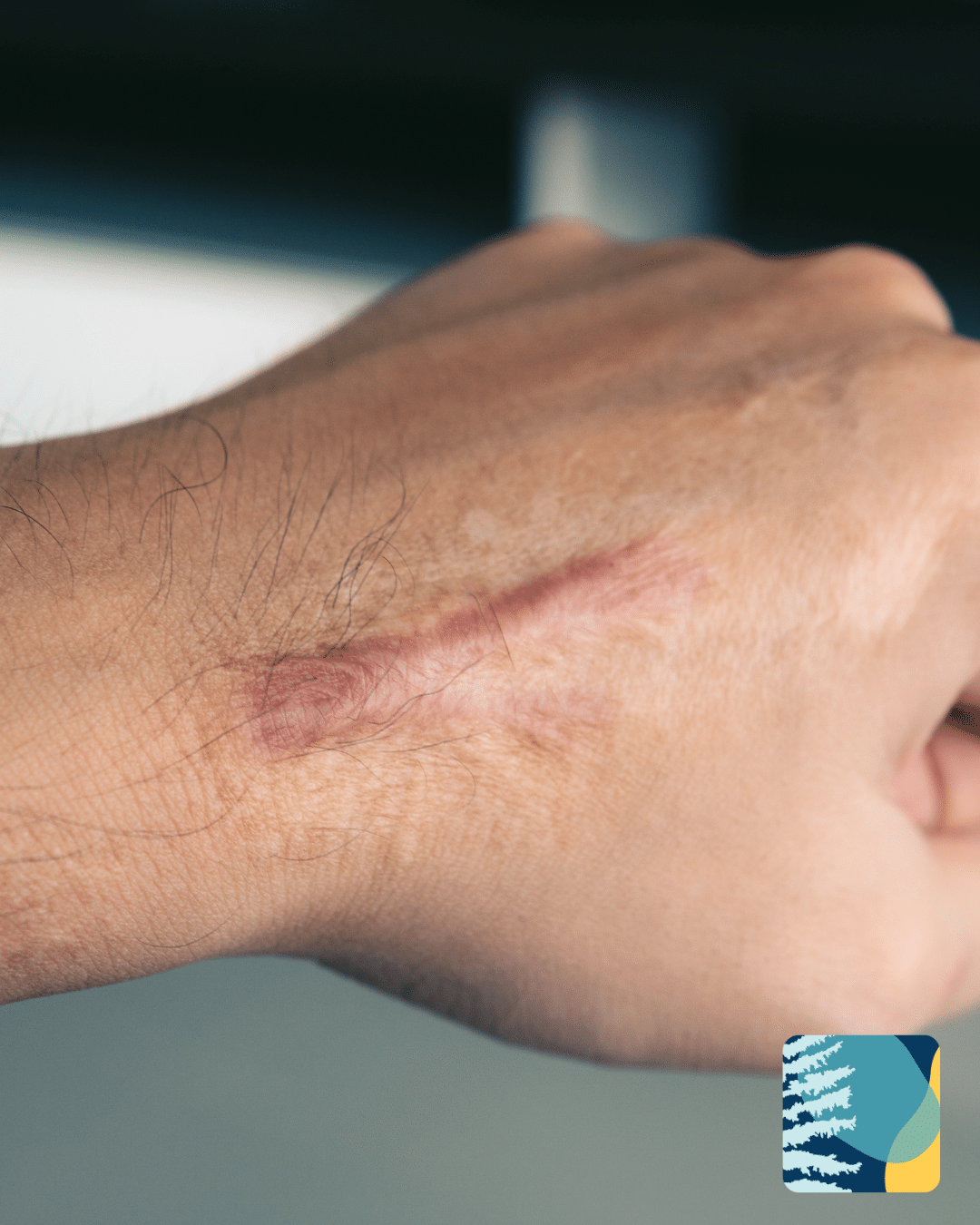
Keloid scars are raised, thickened scars that can continue to grow beyond the original area of injury. They may be itchy, tender, uncomfortable or cosmetically concerning. Some people develop keloid scars after acne, piercings, surgery, burns, cuts or even minor skin injuries.

Dr Mohammad Khalesi is a GP with a special interest in skin cancer medicine and advanced skin procedures. At South Steyne Medical Centre in Manly, he can assess raised scars and keloid scars and discuss whether treatment, monitoring or referral is the most appropriate next step.

What Is a Keloid Scar?

A keloid scar is an overgrowth of scar tissue. Unlike a standard scar, a keloid can extend beyond the original wound and may become raised, firm, shiny or darker than the surrounding skin.

Keloid scars can occur anywhere on the body, but they are more common on areas such as:

  • Chest
  • Shoulders
  • Upper back
  • Earlobes
  • Jawline
  • Neck
  • Arms

Some keloids are small and stable, while others can grow over time or become uncomfortable.

What Causes Keloid Scars?

Keloid scars form when the body produces too much collagen during the healing process. They can occur after even minor skin trauma.

Common triggers may include:

  • Acne
  • Ear or body piercings
  • Surgical procedures
  • Burns
  • Cuts or grazes
  • Insect bites
  • Skin infections
  • Vaccination sites
  • Previous skin procedures

Some people are more prone to keloid scarring because of their skin type, family history or previous history of raised scars.

When Should You Have a Keloid Scar Assessed?

You may wish to book an appointment if a scar is becoming raised, itchy, painful, growing or causing cosmetic concern.

A keloid scar should be assessed if it:

  • Is increasing in size
  • Is painful, itchy or tender
  • Is becoming darker or more raised
  • Is affecting movement or comfort
  • Has developed after surgery, acne or piercing
  • Is cosmetically concerning
  • Has returned after previous treatment
  • Is difficult to distinguish from another skin lesion

A proper assessment can help confirm whether the scar is a keloid, hypertrophic scar or another type of skin change.

Keloid Scar Assessment at South Steyne Medical Centre

During an appointment, Dr Khalesi will assess the scar and discuss how it developed, how long it has been present and whether it has changed.

The assessment may include:

  • Reviewing the original injury or trigger
  • Checking the size, location and appearance of the scar
  • Asking about pain, itch or tenderness
  • Discussing previous treatments
  • Considering your history of keloid scarring
  • Discussing realistic treatment expectations
  • Considering referral if specialist management is needed

Keloid scars can be difficult to treat and may recur, so it is important to have a clear discussion about likely outcomes.

Keloid Scar Treatment Options in Manly

Treatment depends on the size, location, symptoms and history of the scar. Not every keloid needs treatment, particularly if it is small, stable and not causing symptoms.

Where clinically appropriate, treatment options may include:

  • Monitoring and reassurance
  • Scar care advice
  • Silicone gel or silicone dressings
  • Steroid injection treatment
  • Management of itch or irritation
  • Discussion of recurrence risk
  • Referral to a dermatologist or plastic surgeon where needed

The aim of treatment may be to flatten the scar, reduce symptoms, improve comfort or reduce cosmetic concern. Complete removal or disappearance of a keloid is not always possible.

Steroid Injections for Keloid Scars

Steroid injections are commonly used to help reduce thickened or raised scar tissue. They may help flatten some keloid scars and reduce symptoms such as itching or tenderness.

Treatment usually requires careful assessment and may involve more than one session. Results vary depending on the scar, how long it has been present, its location and individual healing factors.

Dr Khalesi can assess whether steroid injection treatment may be suitable for your scar.

Can Keloid Scars Be Removed?

Surgical removal of keloid scars is not always recommended because keloids can recur, and sometimes they can return larger than before. In some cases, excision may be considered as part of a specialist treatment plan, but this depends on the scar and patient factors.

For many patients, the goal is not simply to cut the scar out, but to manage symptoms, reduce thickness and minimise recurrence risk.

Dr Khalesi can discuss whether treatment at South Steyne Medical Centre is appropriate or whether referral is recommended.

Why Realistic Expectations Matter

Keloid scars can be persistent. Treatment may improve the appearance or symptoms of a scar, but results vary and recurrence can occur.

Before recommending treatment, Dr Khalesi will explain:

  • What the treatment is intended to achieve
  • Whether multiple treatments may be needed
  • The risk of recurrence
  • Possible side effects
  • Whether specialist referral is appropriate
  • How to care for the scar between treatments

This helps patients make informed decisions about their care.

About Dr Mohammad Khalesi

Dr Mohammad Khalesi is a GP consulting at South Steyne Medical Centre with a special interest in skin cancer medicine and advanced skin procedures.

He has completed a PhD in Skin Cancer Medicine and has experience in the assessment and procedural management of selected skin concerns, including keloid scars, skin cancers, moles, cysts, lipomas and other lumps and bumps.

You can read more about Dr Mohammad Khalesi here:
[Insert link to Dr Mohammad Khalesi’s SSMC profile]

Book Keloid Scar Treatment in Manly

If you have a raised, thickened or uncomfortable scar, you can book an appointment with Dr Mohammad Khalesi at South Steyne Medical Centre in Manly.

Book online via HotDoc.

For general enquiries or if you would prefer to contact the practice directly.

You can also learn more about related services here.

Frequently Asked Questions

What is the best keyword for this page?

The best patient-focused keyword is keloid scar treatment Manly. Patients are more likely to search for treatment than for the more clinical phrase “keloid scar assessment”.

What is a keloid scar?

A keloid scar is a raised, thickened scar that can grow beyond the original area of injury. It may be itchy, tender, firm or cosmetically concerning.

Can Dr Khalesi treat keloid scars at South Steyne Medical Centre?

Dr Khalesi can assess keloid scars and discuss suitable treatment options. Some scars may be managed at South Steyne Medical Centre, while others may require specialist referral.

Do keloid scars go away by themselves?

Keloid scars usually do not disappear on their own. Some may become less active over time, but raised scar tissue often persists without treatment.

What treatments are available for keloid scars?

Treatment options may include scar care advice, silicone products, steroid injections, symptom management or referral to a dermatologist or plastic surgeon.

Are steroid injections used for keloid scars?

Steroid injections may be used for selected keloid scars to help reduce thickness, itch or tenderness. Dr Khalesi can advise whether this is suitable.

Can a keloid scar be cut out?

Surgical removal is not always recommended because keloids can recur. In some cases, specialist management may be appropriate.

Will treatment completely remove the keloid?

Not always. Treatment may improve symptoms or flatten the scar, but complete removal cannot be guaranteed and recurrence can occur.

Why do some people get keloid scars?

Some people are more prone to keloids because of genetics, skin type, previous scarring history or how their body heals after skin injury.

Can I book directly with Dr Mohammad Khalesi?

Yes. Patients can book with Dr Khalesi through HotDoc or contact South Steyne Medical Centre directly for assistance.


Contact us


Call us

(02) 7209 2920


Visit us

15 South Steyne, Manly NSW 2095


Send us an email

ssmadmin@southsteynemedical.com


Social networks


Accreditation


agpal-accredited-medical-centre-manly


Yellow Fever accredited medical centre in Manly


Copyright by South Steyne Medical Centre 2026. All rights reserved.