Keloid Scar Treatment Manly | Dr Mohammad Khalesi | South Steyne Medical Centre
Keloid Scar Treatment in Manly
If you are looking for keloid scar treatment in Manly, South Steyne Medical Centre offers assessment and treatment options with Dr Mohammad Khalesi.
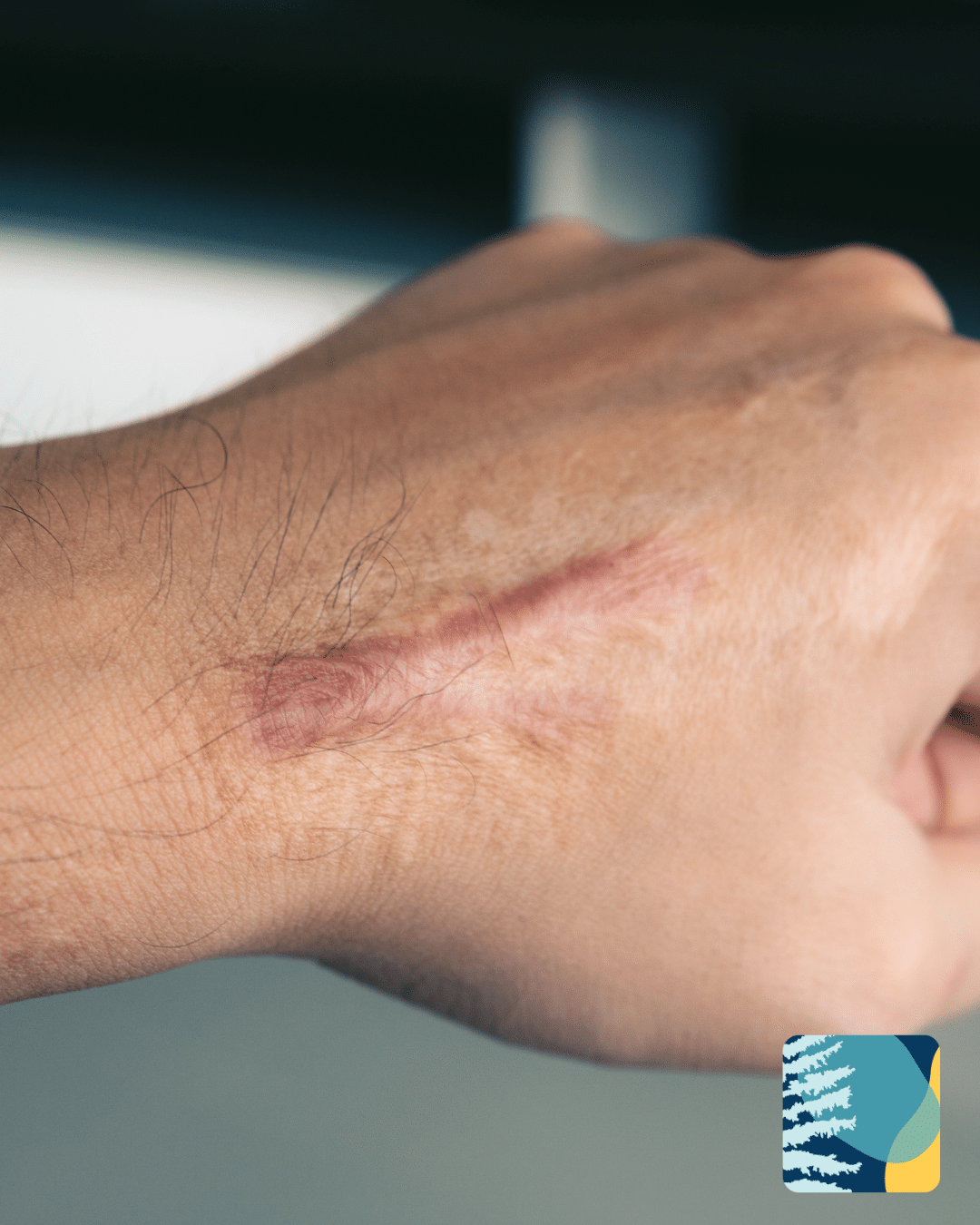
Keloid scars are raised, thickened scars that can continue to grow beyond the original area of injury. They may be itchy, tender, uncomfortable or cosmetically concerning. Some people develop keloid scars after acne, piercings, surgery, burns, cuts or even minor skin injuries.
Dr Mohammad Khalesi is a GP with a special interest in skin cancer medicine and advanced skin procedures. At South Steyne Medical Centre in Manly, he can assess raised scars and keloid scars and discuss whether treatment, monitoring or referral is the most appropriate next step.
What Is a Keloid Scar?
A keloid scar is an overgrowth of scar tissue. Unlike a standard scar, a keloid can extend beyond the original wound and may become raised, firm, shiny or darker than the surrounding skin.
Keloid scars can occur anywhere on the body, but they are more common on areas such as:
- Chest
- Shoulders
- Upper back
- Earlobes
- Jawline
- Neck
- Arms
Some keloids are small and stable, while others can grow over time or become uncomfortable.
What Causes Keloid Scars?
Keloid scars form when the body produces too much collagen during the healing process. They can occur after even minor skin trauma.
Common triggers may include:
- Acne
- Ear or body piercings
- Surgical procedures
- Burns
- Cuts or grazes
- Insect bites
- Skin infections
- Vaccination sites
- Previous skin procedures
Some people are more prone to keloid scarring because of their skin type, family history or previous history of raised scars.
When Should You Have a Keloid Scar Assessed?
You may wish to book an appointment if a scar is becoming raised, itchy, painful, growing or causing cosmetic concern.
A keloid scar should be assessed if it:
- Is increasing in size
- Is painful, itchy or tender
- Is becoming darker or more raised
- Is affecting movement or comfort
- Has developed after surgery, acne or piercing
- Is cosmetically concerning
- Has returned after previous treatment
- Is difficult to distinguish from another skin lesion
A proper assessment can help confirm whether the scar is a keloid, hypertrophic scar or another type of skin change.
Keloid Scar Assessment at South Steyne Medical Centre
During an appointment, Dr Khalesi will assess the scar and discuss how it developed, how long it has been present and whether it has changed.
The assessment may include:
- Reviewing the original injury or trigger
- Checking the size, location and appearance of the scar
- Asking about pain, itch or tenderness
- Discussing previous treatments
- Considering your history of keloid scarring
- Discussing realistic treatment expectations
- Considering referral if specialist management is needed
Keloid scars can be difficult to treat and may recur, so it is important to have a clear discussion about likely outcomes.
Keloid Scar Treatment Options in Manly
Treatment depends on the size, location, symptoms and history of the scar. Not every keloid needs treatment, particularly if it is small, stable and not causing symptoms.
Where clinically appropriate, treatment options may include:
- Monitoring and reassurance
- Scar care advice
- Silicone gel or silicone dressings
- Steroid injection treatment
- Management of itch or irritation
- Discussion of recurrence risk
- Referral to a dermatologist or plastic surgeon where needed
The aim of treatment may be to flatten the scar, reduce symptoms, improve comfort or reduce cosmetic concern. Complete removal or disappearance of a keloid is not always possible.
Steroid Injections for Keloid Scars
Steroid injections are commonly used to help reduce thickened or raised scar tissue. They may help flatten some keloid scars and reduce symptoms such as itching or tenderness.
Treatment usually requires careful assessment and may involve more than one session. Results vary depending on the scar, how long it has been present, its location and individual healing factors.
Dr Khalesi can assess whether steroid injection treatment may be suitable for your scar.
Can Keloid Scars Be Removed?
Surgical removal of keloid scars is not always recommended because keloids can recur, and sometimes they can return larger than before. In some cases, excision may be considered as part of a specialist treatment plan, but this depends on the scar and patient factors.
For many patients, the goal is not simply to cut the scar out, but to manage symptoms, reduce thickness and minimise recurrence risk.
Dr Khalesi can discuss whether treatment at South Steyne Medical Centre is appropriate or whether referral is recommended.
Why Realistic Expectations Matter
Keloid scars can be persistent. Treatment may improve the appearance or symptoms of a scar, but results vary and recurrence can occur.
Before recommending treatment, Dr Khalesi will explain:
- What the treatment is intended to achieve
- Whether multiple treatments may be needed
- The risk of recurrence
- Possible side effects
- Whether specialist referral is appropriate
- How to care for the scar between treatments
This helps patients make informed decisions about their care.
About Dr Mohammad Khalesi
Dr Mohammad Khalesi is a GP consulting at South Steyne Medical Centre with a special interest in skin cancer medicine and advanced skin procedures.
He has completed a PhD in Skin Cancer Medicine and has experience in the assessment and procedural management of selected skin concerns, including keloid scars, skin cancers, moles, cysts, lipomas and other lumps and bumps.
You can read more about Dr Mohammad Khalesi here:
[Insert link to Dr Mohammad Khalesi’s SSMC profile]
Book Keloid Scar Treatment in Manly
If you have a raised, thickened or uncomfortable scar, you can book an appointment with Dr Mohammad Khalesi at South Steyne Medical Centre in Manly.
For general enquiries or if you would prefer to contact the practice directly.
You can also learn more about related services here.
Frequently Asked Questions
What is the best keyword for this page?
The best patient-focused keyword is keloid scar treatment Manly. Patients are more likely to search for treatment than for the more clinical phrase “keloid scar assessment”.
What is a keloid scar?
A keloid scar is a raised, thickened scar that can grow beyond the original area of injury. It may be itchy, tender, firm or cosmetically concerning.
Can Dr Khalesi treat keloid scars at South Steyne Medical Centre?
Dr Khalesi can assess keloid scars and discuss suitable treatment options. Some scars may be managed at South Steyne Medical Centre, while others may require specialist referral.
Do keloid scars go away by themselves?
Keloid scars usually do not disappear on their own. Some may become less active over time, but raised scar tissue often persists without treatment.
What treatments are available for keloid scars?
Treatment options may include scar care advice, silicone products, steroid injections, symptom management or referral to a dermatologist or plastic surgeon.
Are steroid injections used for keloid scars?
Steroid injections may be used for selected keloid scars to help reduce thickness, itch or tenderness. Dr Khalesi can advise whether this is suitable.
Can a keloid scar be cut out?
Surgical removal is not always recommended because keloids can recur. In some cases, specialist management may be appropriate.
Will treatment completely remove the keloid?
Not always. Treatment may improve symptoms or flatten the scar, but complete removal cannot be guaranteed and recurrence can occur.
Why do some people get keloid scars?
Some people are more prone to keloids because of genetics, skin type, previous scarring history or how their body heals after skin injury.
Can I book directly with Dr Mohammad Khalesi?
Yes. Patients can book with Dr Khalesi through HotDoc or contact South Steyne Medical Centre directly for assistance.