Mole Assessment and Removal Manly | Dr Mohammad Khalesi | South Steyne Medical Centre
Mole Assessment and Removal in Manly
If you are looking for mole assessment and removal in Manly, South Steyne Medical Centre offers local access to skin checks, mole assessment and procedural care with Dr Mohammad Khalesi.
Moles are common, and many are harmless. However, some moles can change over time or develop features that require closer assessment. In Australia, where sun exposure is a major part of everyday life, it is important to have new, changing or unusual moles checked by a doctor.
Dr Mohammad Khalesi is a GP with a special interest in skin cancer medicine and advanced skin procedures. He has completed a PhD in Skin Cancer Medicine and has experience in the assessment, prevention and surgical management of skin cancers, moles and suspicious skin lesions.
At South Steyne Medical Centre in Manly, Dr Khalesi can assess moles and, where clinically appropriate, discuss removal or further investigation.
When Should You Have a Mole Checked?
You should consider booking a mole assessment if you notice a mole that is new, changing or different from the others on your skin.
It is particularly important to have a mole checked if it:
- Changes in size, shape or colour
- Has an irregular border
- Has multiple colours or uneven pigmentation
- Becomes itchy, painful or irritated
- Bleeds, crusts or does not heal
- Looks different from your other moles
- Grows quickly
- Appears after significant sun exposure
- Has returned after previous treatment
A mole assessment can help determine whether the mole is likely to be benign, needs monitoring, requires biopsy or should be removed.
Mole Assessment at South Steyne Medical Centre
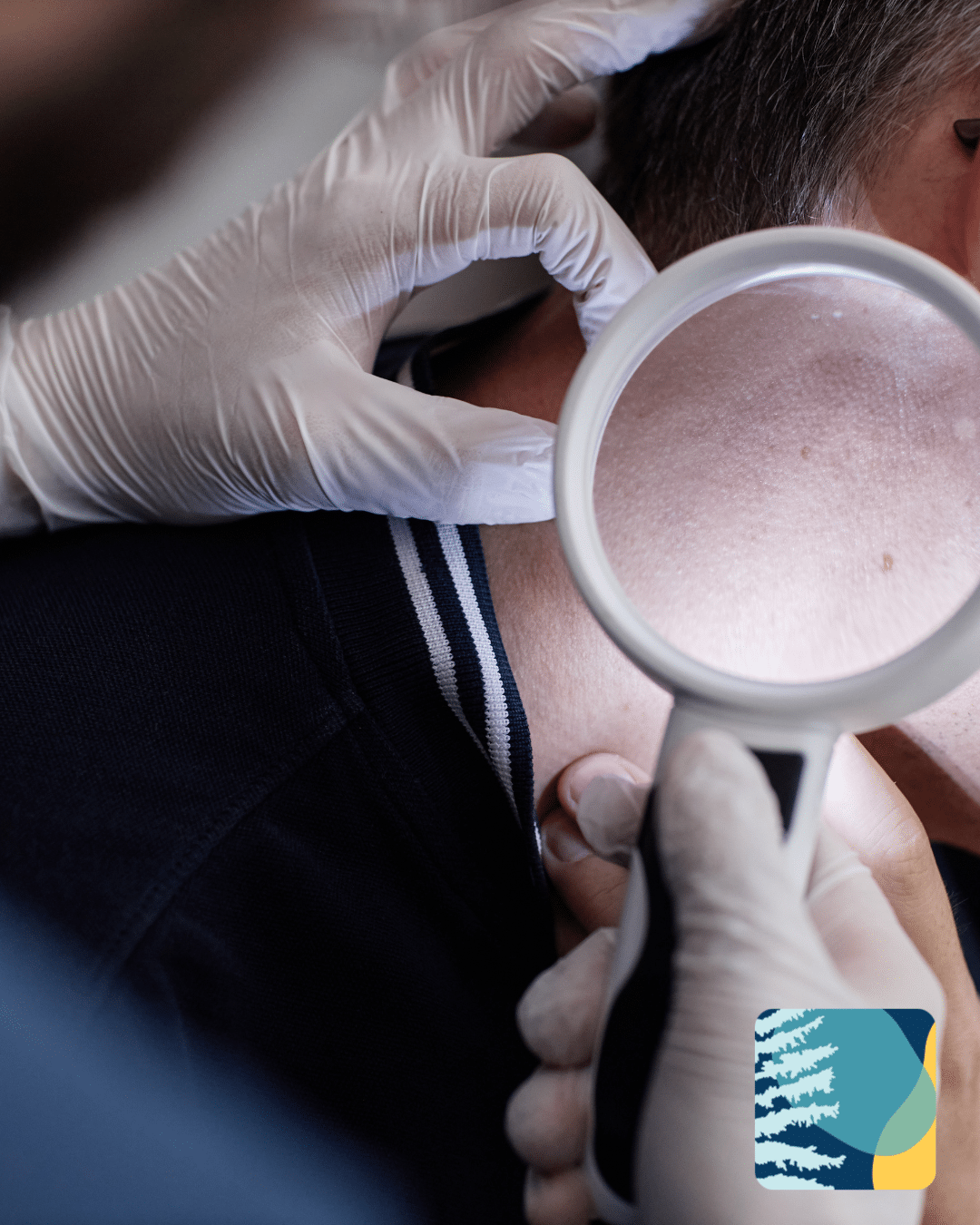
During a mole assessment, Dr Khalesi will examine the mole and consider its appearance, history and any changes you have noticed.
The assessment may include:
- Reviewing when the mole first appeared
- Asking whether it has changed over time
- Examining the mole’s size, shape, border and colour
- Considering your skin type and sun exposure history
- Discussing any personal or family history of skin cancer
- Assessing whether the mole should be monitored, biopsied, removed or referred
Not every mole needs to be removed. Some moles can be safely monitored, while others require further investigation.
Mole Removal in Manly
Mole removal may be recommended for clinical or practical reasons. This may include moles that are suspicious, changing, frequently irritated, difficult to monitor or causing significant concern.
Where clinically appropriate, Dr Khalesi can perform mole removal at South Steyne Medical Centre. The removed tissue may be sent to pathology for testing, particularly if there are any concerning features.
Mole removal is usually performed under local anaesthetic. The technique used depends on the type of mole, its location, its clinical features and whether pathology testing is required.
Why See a GP With Skin Cancer Experience?
Mole assessment is not only about appearance. A doctor needs to consider whether a mole has features that could suggest skin cancer or melanoma.
Dr Khalesi has particular expertise in skin cancer medicine, including the early detection, prevention and surgical management of skin cancers. His PhD in Skin Cancer Medicine and procedural experience allow him to provide careful assessment and management of moles and other skin lesions.
For patients in Manly and the Northern Beaches, this means access to mole assessment and removal in a local general practice setting.
You can read more about Dr Mohammad Khalesi here.
What Happens During a Mole Removal Procedure?
If mole removal is recommended, Dr Khalesi will explain the procedure, expected healing time, scarring risk and whether the mole will be sent for pathology.
The procedure may involve:
- Cleaning and preparing the area
- Numbing the skin with local anaesthetic
- Removing the mole using the most appropriate technique
- Closing the wound with sutures if required
- Applying a dressing
- Providing wound care instructions
- Arranging follow-up or suture removal if needed
The approach will depend on the mole and the reason for removal.
Will a Removed Mole Be Sent to Pathology?
If a mole has suspicious features or is removed for clinical reasons, it is commonly sent to pathology. Pathology testing helps confirm the diagnosis and determine whether any further treatment or follow-up is needed.
Dr Khalesi will discuss this with you before the procedure.
Mole Removal on the Face and Visible Areas
Moles on the face, neck and other visible areas can be particularly concerning for patients. Many people worry about scarring, healing and cosmetic outcomes.
Dr Khalesi takes a careful approach to moles in cosmetically sensitive areas. In some cases, removal may be appropriate at South Steyne Medical Centre. In other cases, referral to a dermatologist or plastic surgeon may be recommended.
The priority is to ensure the mole is assessed safely and managed in the most appropriate way.
Regular Skin Checks and Mole Monitoring
If you have multiple moles, a history of sun exposure, fair skin, previous skin cancers or a family history of melanoma, regular skin checks may be recommended.
Skin checks can help identify moles or lesions that need monitoring or treatment. They also provide an opportunity to discuss sun protection, prevention and your individual skin cancer risk.
Book Mole Assessment and Removal in Manly
If you are concerned about a mole or would like to discuss mole assessment and removal in Manly, you can book an appointment with Dr Mohammad Khalesi at South Steyne Medical Centre.
For general enquiries or if you would prefer to contact the practice directly.
You can also learn more about related services here.
Frequently Asked Questions
Do all moles need to be removed?
No. Many moles are harmless and do not need removal. A doctor can assess whether a mole should be monitored, biopsied, removed or referred for specialist review.
When should I worry about a mole?
You should arrange a medical assessment if a mole changes in size, shape or colour, becomes painful, bleeds, crusts, does not heal or looks different from your other moles.
Can Dr Khalesi remove moles at South Steyne Medical Centre?
Yes, Dr Khalesi can remove suitable moles at South Steyne Medical Centre where clinically appropriate. Some moles may require referral depending on their appearance, location or complexity.
Will mole removal leave a scar?
Any procedure that cuts the skin can leave a scar. The size and appearance of the scar depends on the mole, location, removal technique, healing process and individual skin type. Dr Khalesi will discuss scarring before the procedure.
Is mole removal painful?
Mole removal is usually performed under local anaesthetic. The area should be numb during the procedure, although some discomfort can occur after the anaesthetic wears off.
Will my mole be tested?
If a mole is removed because it is suspicious or clinically concerning, it is usually sent to pathology. This helps confirm the diagnosis and guide any further care.
Can I have a mole removed for cosmetic reasons?
Some moles may be removed because they are irritated or cosmetically concerning. Dr Khalesi will assess the mole first and discuss whether removal is appropriate.
How long does it take to heal after mole removal?
Healing time varies depending on the size and location of the mole and the removal technique used. You will be given wound care instructions and advised when to return for follow-up if needed.
Can a mole come back after removal?
Some moles can recur depending on the removal technique and type of lesion. If a mole returns or changes after removal, it should be assessed again.
Can I book directly with Dr Mohammad Khalesi?
Yes. Patients can book with Dr Khalesi through HotDoc or contact South Steyne Medical Centre directly for assistance.