
Depression and Anxiety in Older Adults | SSMC
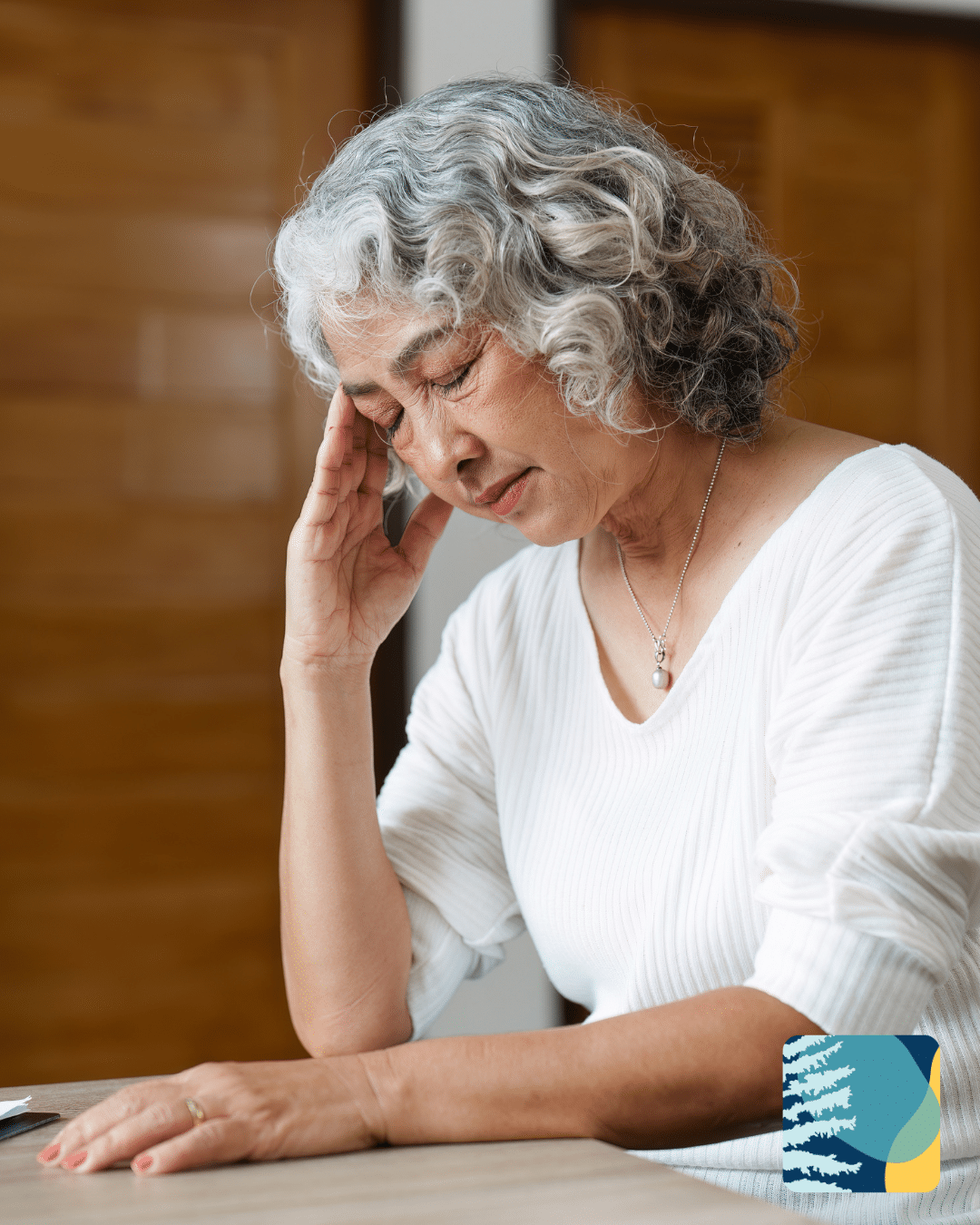
Mood Changes, Depression and Anxiety in Older Adults
Persistent low mood, anxiety or loss of interest should not be dismissed as an unavoidable part of getting older.
Changes in health, bereavement, loneliness or reduced independence can affect emotional wellbeing. However, depression and anxiety in older adults deserve assessment and support, just as they do at any other age.
Some people describe feeling sad or worried. Others may first notice poor sleep, low energy, irritability or less interest in seeing family and friends.
Signs Worth Discussing With a GP
Changes that may warrant a medical review include:
- Persistent sadness, worry, irritability or feelings of hopelessness.
- Withdrawal from activities, relationships or usual routines.
- Changes in sleep, appetite, energy or motivation.
- Difficulty concentrating, reduced confidence or neglect of self-care.
These symptoms can have several causes. Their presence does not establish a diagnosis, but they should be discussed with a GP when they persist, worsen or affect daily life.
Seek help sooner if symptoms are severe or there are concerns about safety.
Why a Broader Assessment Can Be Important
Mood symptoms may occur alongside physical illness, pain, medication changes or difficulties with sleep and mobility. Grief and social isolation may also play a part.
A GP can explore when the changes began, how they affect daily life and whether medical or social factors need attention.
When mood concerns occur alongside complex medical needs, memory changes or reduced function, specialist assessment with Dr Amit Gupta may help bring these issues together.
Not every mood concern requires a geriatrician. Depending on the circumstances, care may involve the GP, a psychologist, a psychiatrist or other services.
Mood and Memory Can Affect Each Other
Depression and anxiety can affect concentration and memory. At the same time, worrying about changes in thinking or everyday abilities can affect mood.
This can make it difficult for patients and families to understand what is happening. Assessment considers the pattern of symptoms rather than assuming that memory changes are caused by either depression or dementia.
Read more about memory concerns in older adults and cognitive assessment.
How Can Assessment Guide Support?
The next steps depend on the individual’s symptoms, health conditions and preferences.
Recommendations may include addressing physical health problems, reviewing medications, psychological support, practical help at home or services that support social connection. Further specialist review may be appropriate in some circumstances.
The aim is to understand the contributing factors and develop a suitable plan, rather than assuming there is one explanation or one treatment for everyone.
Where mood changes are affecting everyday activities, our article on supporting independence after 65 may also be helpful.
Supporting Someone You Are Concerned About
Choose a quiet moment to ask how they have been feeling. Mention specific changes you have noticed without making assumptions about the cause.
You might offer to help arrange an appointment, attend with their agreement or write down concerns beforehand. Listening without dismissing symptoms as “just ageing” can be an important first step.
When Urgent Help Is Needed
If someone is in immediate danger or at immediate risk of harming themselves, call 000.
For crisis support, contact Lifeline on 13 11 14. Thoughts of suicide or self-harm require prompt professional help rather than waiting for a routine specialist appointment.
Arranging a Review
Speak with your usual GP or book a GP appointment at South Steyne Medical Centre.
Your GP can assess your concerns and discuss whether specialist input would be helpful. With a referral, you can contact reception to enquire about an appointment with Dr Gupta.
Frequently Asked Questions
Can depression affect someone who does not describe feeling sad?
Yes. Some older adults primarily report physical symptoms, poor sleep, reduced energy or loss of interest. A GP can help assess what these changes may mean.
Will treatment always involve medication?
Not necessarily. Treatment depends on the assessment and may involve psychological, medical, practical or social support. Your treating clinician can discuss appropriate options with you.