

supporting-independence-after-65-geriatrician-manly.png
03/Jul/2026

Supporting Independence After 65: How a Geriatrician Can Help

Independence is one of the most important parts of quality of life as people age. For many older adults, staying independent means continuing to live safely at home, remaining socially connected, managing health conditions and maintaining confidence in day-to-day activities.

However, after the age of 65, health needs can become more complex. Changes in memory, mobility, mood, strength, medications or confidence may gradually affect a person’s ability to manage independently.

A geriatrician can help older adults, families, carers and GPs better understand these changes and plan practical supports to help maintain independence where possible.

At South Steyne Medical Centre in Manly, Dr Amit Gupta provides specialist geriatric medicine services for adults over 65, including comprehensive geriatric assessments, cognitive assessments, mood concerns in later life, falls prevention and general medicine for older adults.

Why Independence Can Change With Age

Independence can be affected by many different factors. Sometimes changes happen gradually, while in other cases they may follow a fall, illness, hospital admission or change in living circumstances.

Common factors that may affect independence include:

  • Reduced strength or mobility
  • Falls or fear of falling
  • Memory or thinking changes
  • Mood changes, depression or anxiety
  • Medication side effects
  • Chronic medical conditions
  • Pain or arthritis
  • Frailty
  • Reduced confidence
  • Social isolation
  • Difficulty managing daily tasks

A geriatrician can help assess how these issues interact and what can be done to support the person’s health, safety and function.

Signs an Older Adult May Need More Support

It may be helpful to speak with a GP about referral to a geriatrician if an older adult is experiencing:

  • Increasing difficulty managing at home
  • Recurrent falls or near-falls
  • New memory concerns
  • Confusion or reduced judgement
  • Reduced ability to manage medications
  • Difficulty shopping, cooking or attending appointments
  • Poor nutrition or weight loss
  • Reduced confidence leaving the home
  • Social withdrawal
  • Mood changes
  • Increasing reliance on family or carers
  • Recent hospital presentations or health decline

Early assessment can help identify concerns before they become more serious.

How a Geriatrician Can Help Support Independence

A geriatrician is a specialist doctor who focuses on the health and wellbeing of older adults. Their role is to assess the whole person, rather than one symptom in isolation.

For older adults who are experiencing changes in independence, a geriatrician may review:

  • Current medical conditions
  • Medications and possible side effects
  • Memory and cognition
  • Mood and emotional wellbeing
  • Falls risk
  • Mobility, strength and balance
  • Daily function and self-care
  • Home and care supports
  • Safety concerns
  • Overall health goals

This can help guide a practical care plan that supports independence, safety and quality of life.

Comprehensive Geriatric Assessment

A comprehensive geriatric assessment is often useful when an older adult has several overlapping health or functional concerns.

This type of assessment may consider medical, cognitive, emotional, physical and social factors. It can help identify what supports may be needed and how care can be better coordinated between the patient, family, GP and other health professionals.

For many older adults, the goal is not simply to treat one condition, but to maintain function, reduce risk and support the person to live as well and independently as possible.

Supporting Independence at Home

Many older adults wish to remain living at home for as long as it is safe and appropriate. A geriatrician assessment may help identify strategies to support this, such as:

  • Reviewing medications
  • Addressing falls risk
  • Investigating memory or mood concerns
  • Recommending allied health input
  • Considering mobility aids or home safety measures
  • Supporting care planning with the GP
  • Identifying when additional home supports may be needed

Families and carers often play an important role in noticing changes and helping arrange support.

75+ Health Assessments and Independence

For patients aged 75 and over, a 75+ health assessment with a GP can be an important part of preventative care.

These assessments can help review:

  • General health
  • Medications
  • Mobility and falls risk
  • Memory and mood
  • Home safety
  • Daily function
  • Social supports
  • Preventative health needs

If concerns are identified during a 75+ health assessment, the GP may recommend further review or referral to a geriatrician for specialist assessment. You can organise an apppointment with a GP consulting at South Steyne Medical Centre here. 

When to Speak With a GP

If you are concerned about an older adult’s independence, safety, memory, mobility, mood or ability to manage at home, a GP is usually the best first point of contact.

The GP can assess the situation, arrange initial investigations where needed and provide a referral to a geriatrician if specialist input is appropriate.

Dr Amit Gupta accepts referrals from GPs consulting at South Steyne Medical Centre, as well as external GPs in the wider community.

For more information, please contact South Steyne Medical Centre.

If you would like to organise an appointment with Dr Gupta please contact us here. 

Important Scope of Practice Note

Dr Amit Gupta provides comprehensive geriatric medical assessments. However, he does not provide financial capacity decision-making assessments or assessments related to wills.

If you require advice about wills, legal decision-making or financial capacity, please seek appropriate legal advice and speak with your GP about suitable referral options.

FAQ

How can a geriatrician help older adults stay independent?
A geriatrician can assess medical conditions, medications, memory, mood, mobility, falls risk and daily function to help guide supports that may maintain independence and safety.

When should an older adult see a geriatrician?
A geriatrician may be helpful when an older adult has memory concerns, falls, mood changes, frailty, complex medical needs, reduced independence or difficulty managing at home.

What is a comprehensive geriatric assessment?
A comprehensive geriatric assessment is a detailed review of an older person’s health, function, cognition, mood, mobility and support needs.

Can a 75+ health assessment help with independence?
Yes. A 75+ health assessment with a GP can help identify issues affecting independence, including falls risk, memory concerns, medication issues, mood changes and support needs.

Do I need a GP referral?
A GP referral is generally recommended. Referrals may come from GPs at South Steyne Medical Centre or external GPs.

Where does Dr Amit Gupta consult?
Dr Amit Gupta consults at South Steyne Medical Centre in Manly.

mood-changes-depression-anxiety-older-adults-manly.png
03/Jul/2026

Mood Changes, Depression and Anxiety in Older Adults

Mood changes in later life are common, but they should not be ignored. Depression, anxiety, irritability, withdrawal or loss of interest in usual activities can significantly affect an older person’s health, independence and quality of life.

Sometimes mood changes are related to grief, loneliness, illness, pain, medication changes, reduced mobility or changes in independence. In other cases, mood symptoms may overlap with memory concerns, sleep problems or broader medical issues.

At South Steyne Medical Centre in Manly, Dr Amit Gupta provides specialist geriatric medicine services for adults over 65, including assessment of mood concerns in later life, cognitive assessments, falls prevention, comprehensive geriatric assessments and general medicine for older adults.

Mood Changes Are Not Just a Normal Part of Ageing

It is sometimes assumed that low mood or anxiety is inevitable as people get older. This is not the case. While older adults may face significant life changes, persistent depression, anxiety or emotional distress should be assessed and supported.

Mood concerns may present differently in older adults compared with younger people. Some people may not describe feeling “depressed” or “anxious”, but may instead report physical symptoms, poor sleep, reduced appetite, low energy, irritability, loss of confidence or withdrawal from family and social activities.

Signs of Depression or Anxiety in Older Adults

It may be worth speaking with a GP if an older adult is experiencing:

  • Persistent low mood or sadness
  • Anxiety, worry or fearfulness
  • Loss of interest in usual activities
  • Social withdrawal
  • Irritability or personality changes
  • Poor sleep or sleeping more than usual
  • Reduced appetite or weight changes
  • Low energy or fatigue
  • Loss of confidence
  • Increased physical complaints
  • Difficulty concentrating
  • Reduced motivation to leave the home
  • Thoughts of hopelessness or feeling like a burden

If there are any immediate concerns about safety, urgent medical support should be sought.

Why Mood Changes Need Careful Assessment

Mood symptoms in older adults can have many possible causes. These may include psychological, social and medical factors.

Possible contributors include:

  • Grief or bereavement
  • Loneliness or social isolation
  • Chronic pain
  • Reduced mobility
  • Loss of independence
  • Medication side effects
  • Sleep problems
  • Cognitive changes or dementia
  • Recent illness or hospitalisation
  • Thyroid problems or vitamin deficiencies
  • Alcohol use
  • Stress related to caring roles or family changes

Because mood symptoms can overlap with medical and cognitive concerns, a broader assessment can be helpful.

Depression, Anxiety and Memory Concerns

Depression and anxiety can affect concentration, memory and decision-making. In some older adults, mood symptoms may look similar to cognitive decline.

At the same time, memory problems or early cognitive changes can contribute to anxiety, withdrawal or low mood.

A geriatrician can help assess mood and cognition together, which may be useful when families or carers are unsure whether changes are mainly emotional, cognitive, medical or a combination of factors.

How a Geriatrician Can Help

A geriatrician is a specialist doctor who focuses on the health and wellbeing of older adults. For mood changes, depression and anxiety, a geriatrician may assess the person’s mood symptoms in the context of their overall health, medications, cognition, mobility, function and support needs.

This can help identify contributing factors and guide a practical management plan in collaboration with the patient’s GP and care team.

Depending on the situation, recommendations may include further medical review, medication review, psychological support, social supports, lifestyle strategies, allied health input or referral to other services where appropriate.

Comprehensive Geriatric Assessment for Mood Concerns

For older adults with several overlapping concerns, mood assessment may form part of a comprehensive geriatric assessment.

This may include review of:

  • Current mood and emotional wellbeing
  • Memory and cognition
  • Medical conditions
  • Medications
  • Sleep and appetite
  • Pain and mobility
  • Falls risk
  • Daily function and independence
  • Family, social and care supports
  • Ongoing management needs

This type of assessment can be particularly useful when mood symptoms occur alongside memory changes, frailty, falls, reduced independence or complex medical conditions.

75+ Health Assessments and Mood

For patients aged 75 and over, a 75+ health assessment with a GP can help identify changes in mood, memory, mobility, medications, home safety and support needs.

If depression, anxiety or emotional wellbeing concerns are identified during a 75+ health assessment, the GP may recommend further review, support services or referral to a geriatrician where specialist assessment is appropriate.

When to Seek Help

Families and carers should consider seeking help if an older adult’s mood changes are persistent, worsening or affecting daily life.

This may include changes in sleep, appetite, self-care, social connection, confidence, mobility, memory or ability to manage at home.

A GP is usually the best first point of contact. They can assess immediate concerns, provide support and refer to a geriatrician if specialist input is needed.You can organise a referral with a GP consulting at SSMC here.

Referrals in Manly

Dr Amit Gupta accepts referrals from GPs consulting at South Steyne Medical Centre, as well as external GPs in the wider community.

For more information, please contact South Steyne Medical Centre.

You can contact us here if you have a valid referral and would like to organise an appointment with Dr Gupta.

Important Scope of Practice Note

Dr Amit Gupta provides comprehensive geriatric medical assessments, including assessment of mood concerns in older adults. However, he does not provide financial capacity decision-making assessments or assessments related to wills.

If you require advice about legal decision-making, financial capacity or wills, please seek appropriate legal advice and speak with your GP about suitable referral options.

FAQ

Are depression and anxiety common in older adults?
Depression and anxiety can affect older adults, particularly when there are health changes, grief, isolation, pain, reduced mobility or loss of independence. Persistent symptoms should be assessed.

Can depression look like memory loss in older adults?
Yes. Depression and anxiety can affect concentration, memory and confidence. A medical assessment can help clarify whether symptoms are related to mood, cognition, medical issues or several factors.

When should an older adult see a doctor for mood changes?
An older adult should speak with a GP if mood changes are persistent, worsening, affecting daily life, causing withdrawal, disrupting sleep or appetite, or raising concerns for family or carers.

Can a geriatrician help with mood disorders in older adults?
Yes. A geriatrician can assess mood symptoms in the context of an older person’s medical conditions, medications, cognition, function, mobility and support needs.

Can a 75+ health assessment identify mood concerns?
Yes. A 75+ health assessment with a GP can help identify mood, memory, mobility, medication and support concerns in older adults.

Where does Dr Amit Gupta consult?
Dr Amit Gupta consults at South Steyne Medical Centre in Manly.

falls-prevention-older-adults-manly.png
03/Jul/2026

Falls Prevention for Older Adults in Manly

Falls are one of the most common health concerns affecting older adults. While many people assume falls are simply part of ageing, a fall, near-fall or new unsteadiness can be a sign that further medical assessment is needed.

Falls can lead to injury, reduced confidence, loss of independence and increased worry for families and carers. The good news is that many falls risks can be identified and reduced with the right assessment and support.

At South Steyne Medical Centre in Manly, Dr Amit Gupta provides specialist geriatric medicine services for adults over 65, including falls prevention, comprehensive geriatric assessments, cognitive assessments, mood concerns in later life and general medicine for older adults.

Why Falls Prevention Matters

A fall can have a significant impact on an older person’s health and quality of life. Even when no major injury occurs, a fall may make someone less confident moving around, less willing to leave home or more dependent on others.

Falls prevention is about understanding why falls are happening and identifying practical ways to reduce future risk.

This may include looking at medical conditions, medications, balance, strength, mobility, vision, cognition, home safety and support needs.

When Should Falls Be Assessed?

An older adult may benefit from a falls assessment if they have experienced:

  • A recent fall
  • Repeated falls
  • Near-falls or frequent stumbles
  • New unsteadiness when walking
  • Dizziness or light-headedness
  • Reduced confidence moving around
  • Difficulty getting out of a chair or bed
  • Changes in strength, balance or mobility
  • Fear of falling
  • A fall associated with confusion, fainting or medication changes

Falls should be taken seriously, especially when they are new, recurrent or affecting independence.

Common Causes of Falls in Older Adults

Falls often have more than one cause. A geriatrician can help assess the broader medical picture and identify contributing factors.

Common contributors may include:

  • Medication side effects
  • Blood pressure changes
  • Dizziness or fainting
  • Poor balance
  • Reduced muscle strength
  • Vision problems
  • Foot problems or unsuitable footwear
  • Cognitive changes or confusion
  • Parkinson’s disease or neurological conditions
  • Pain or arthritis
  • Frailty
  • Environmental hazards at home

Understanding the cause of falls is an important step in reducing future risk.

How a Geriatrician Can Help With Falls Prevention

A geriatrician is a specialist doctor who focuses on the health and wellbeing of older adults. For falls prevention, a geriatrician may review the patient’s medical history, medications, mobility, balance, cognition, mood and overall function.

This type of assessment can help identify whether falls are related to a medical issue, medication effect, frailty, cognitive change, mobility limitation or another factor.

Recommendations may include further investigations, medication review, allied health input, exercise or strength programs, mobility aids, home safety strategies, or support planning through the patient’s GP and care team.

You can organise a referral with a GP consulting at SSMC here if the doctor thinks it is clinically appropriate. 

Falls, Memory and Mood

Falls can sometimes occur alongside other changes, including memory concerns, confusion, low mood, anxiety or reduced confidence.

For example, an older adult may become less active after a fall because they are afraid of falling again. This can lead to reduced strength, increased frailty and further falls risk.

A comprehensive assessment can help consider these issues together, rather than treating falls as an isolated problem.

Comprehensive Geriatric Assessment for Falls

For older adults with recurrent falls or multiple health concerns, falls prevention may form part of a broader comprehensive geriatric assessment.

This may include review of:

  • Medical conditions
  • Medications
  • Falls history
  • Mobility and balance
  • Cognition and memory
  • Mood and confidence
  • Daily function and independence
  • Home and care supports
  • Ongoing management needs

This can be particularly helpful when an older person has several overlapping concerns, such as falls, memory changes, frailty, mood symptoms or reduced independence.

75+ Health Assessments and Falls Risk

For patients aged 75 and over, a 75+ health assessment with a GP is an important opportunity to review falls risk, mobility, medications, home safety, memory, mood and support needs.

If falls risk or mobility concerns are identified during a 75+ health assessment, the GP may recommend further assessment or referral to a geriatrician.

Referrals for Falls Prevention in Manly

Patients and families who are concerned about falls should speak with their GP. A GP can assess the situation, organise initial investigations where appropriate and provide a referral to a geriatrician if specialist input is needed.

Dr Amit Gupta accepts referrals from GPs consulting at South Steyne Medical Centre, as well as external GPs in the wider community.

For more information, please contact South Steyne Medical Centre.

You can contact our reception team here if you would like to organaise an apppointment. Patients need a valid referral. 

FAQ

Are falls a normal part of ageing?
Falls are common in older adults, but they should not be dismissed as normal. A fall may indicate an underlying medical, medication, mobility or balance issue that needs assessment.

When should an older adult see a doctor about falls?
An older adult should speak with a GP if they have had a fall, repeated falls, near-falls, new unsteadiness, dizziness, reduced confidence or fear of falling.

Can a geriatrician help prevent falls?
Yes. A geriatrician can assess medical conditions, medications, cognition, mood, mobility, balance and frailty factors that may contribute to falls risk.

What is included in a falls assessment?
A falls assessment may include review of falls history, medications, medical conditions, balance, mobility, strength, cognition, mood and home safety risks.

Can a 75+ health assessment help identify falls risk?
Yes. A 75+ health assessment with a GP can help identify falls risk, mobility concerns, medication issues and support needs in older adults.

Where does Dr Amit Gupta consult?
Dr Amit Gupta consults at South Steyne Medical Centre in Manly.


Dr-Amit-Gupta-Geriatrician-Manly-1200x1800.png
03/Jul/2026

Geriatrician in Manly: Comprehensive Geriatric Assessments for Older Adults

As people age, healthcare needs can become more complex. Older adults may experience changes in memory, mood, mobility, balance, medication needs or overall independence. In these situations, a comprehensive assessment by a specialist geriatrician can help patients, families, carers and GPs better understand what is happening and what supports may be needed.

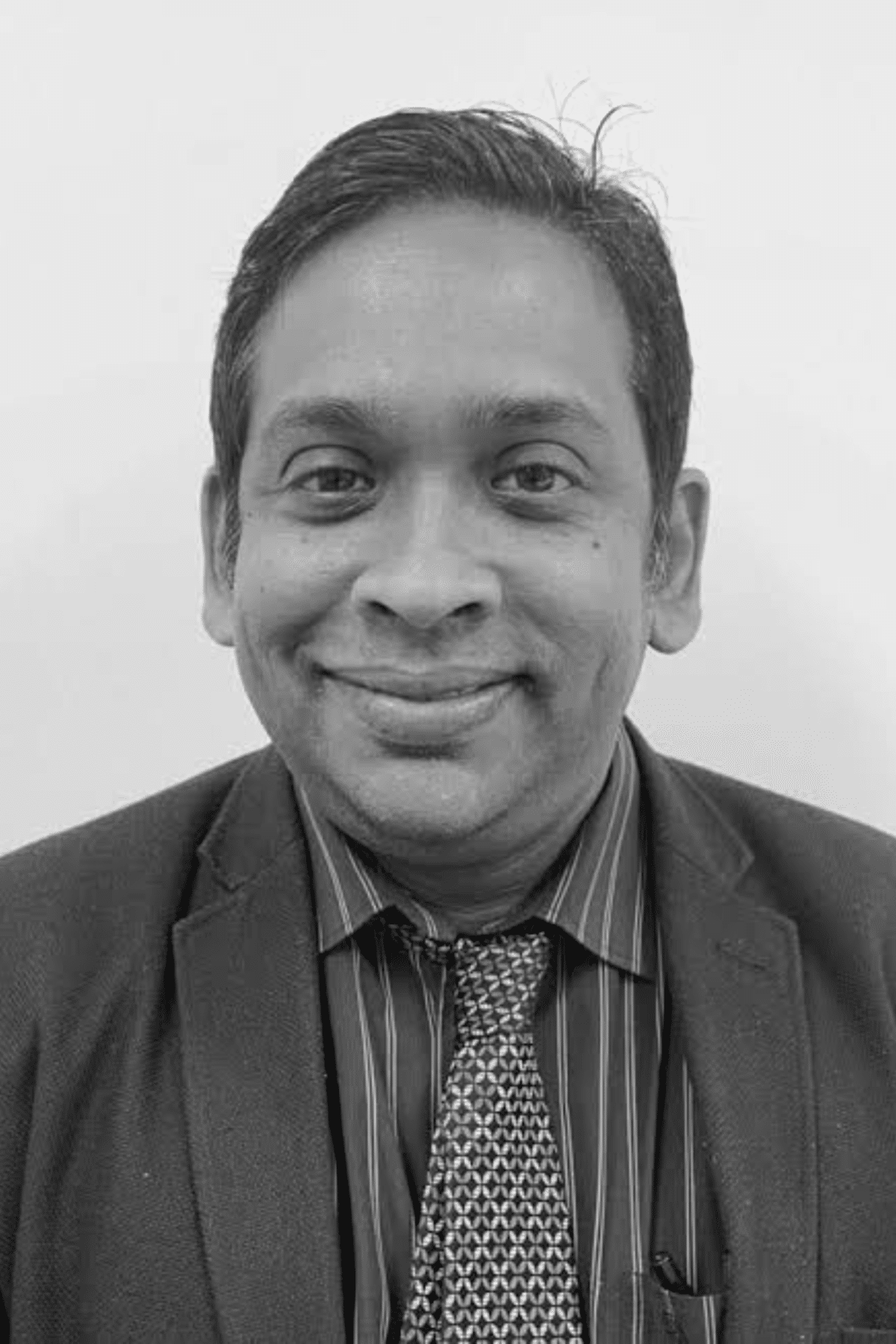
Dr Amit Gupta is a specialist Geriatrician consulting in Manly at South Steyne Medical Centre. He provides comprehensive geriatric assessments for adults aged 65 and over, with a focus on supporting quality of life, safety, independence and coordinated medical care.

What Does a Geriatrician Do?

A geriatrician is a specialist doctor who focuses on the health and wellbeing of older adults. Geriatricians are trained to assess and manage medical, cognitive, psychological and functional issues that commonly affect people as they age.

A geriatric assessment may be helpful when an older person has several health concerns occurring at the same time, or when there has been a change in their memory, mood, mobility or ability to manage day-to-day activities.

Comprehensive Geriatric Assessments in Manly

Dr Amit Gupta provides comprehensive geriatric assessments for older adults in Manly and the surrounding Northern Beaches community.

These assessments may include a review of:

  • Current medical conditions
  • Memory and thinking concerns
  • Mood and emotional wellbeing
  • Falls risk and mobility
  • Medications and general health
  • Function, independence and support needs
  • Recommendations for ongoing management

The aim is to provide a clear, practical medical assessment that can assist the patient, their family and their regular GP.

Cognitive Assessments for Older Adults

Memory changes can be concerning for patients and families. While some forgetfulness can occur with ageing, more noticeable changes in memory, attention, judgement or daily functioning may require further assessment.

Dr Gupta performs cognitive assessments for older adults to help identify possible causes of memory or thinking changes. These assessments may be useful where there are concerns about dementia, mild cognitive impairment, confusion, functional decline or changes noticed by family members or carers.

A cognitive assessment can help guide next steps, including further investigations, management planning, support services and communication with the patient’s GP.

Mood Disorders in the Elderly

Mental health remains important throughout later life. Older adults may experience depression, anxiety, grief, adjustment difficulties or mood changes related to medical illness, social isolation, cognitive decline or changes in independence.

Dr Gupta has an interest in mood disorders in the elderly and can assist with assessment and management planning where mood symptoms are affecting an older person’s wellbeing, function or quality of life.

Falls Prevention and Mobility Concerns

Falls are a major health concern for older adults. A fall can lead to injury, loss of confidence, hospitalisation or reduced independence. Even near-falls or increasing unsteadiness may be a sign that further assessment is needed.

Dr Gupta provides assessment for falls prevention in older adults, including consideration of medical causes, medication effects, balance, strength, mobility, vision, cognition and environmental risks.

The goal is to reduce the risk of future falls and support safer mobility wherever possible.

General Medicine for Adults Over 65

Older adults often live with multiple medical conditions, and these conditions can interact in complex ways. Dr Gupta can assist with general medicine in the elderly, particularly where a patient’s care requires a broad specialist review.

This may include assessment of complex medical issues, frailty, functional decline, medication concerns, mobility changes, cognitive symptoms or overall health planning for adults over 65.

Nursing Home Visits and Residential Aged Care Support

Dr Gupta may also support older adults living in residential aged care settings through nursing home visits, where clinically appropriate.

This may be relevant for residents of aged care facilities in and around Manly, Manly Vale and the Northern Beaches, including patients who require specialist geriatric input for cognitive concerns, falls, mood changes, complex medical needs or functional decline.

Families, carers, aged care teams and local GPs may benefit from specialist geriatric assessment to help guide ongoing care.

Referrals from Local GPs

Dr Gupta welcomes referrals from GPs for older adults who may benefit from specialist geriatric assessment.

Common referral reasons may include:

  • Memory or cognitive concerns
  • Falls or increasing unsteadiness
  • Mood changes in later life
  • Complex medical issues in patients over 65
  • Functional decline
  • Frailty concerns
  • Medication and general medical review
  • Comprehensive geriatric assessment

GPs in Manly and the surrounding Northern Beaches area can refer patients to Dr Amit Gupta at South Steyne Medical Centre.

Important Scope of Practice Note

Dr Gupta provides comprehensive geriatric medical assessments. However, he does not provide assessments for financial capacity decision-making or matters relating to wills.

Patients or families seeking assistance with legal capacity, financial decision-making or wills should seek appropriate legal advice and, where required, referral to a suitably qualified professional.

Book an Appointment with Dr Amit Gupta

Dr Amit Gupta consults at South Steyne Medical Centre in Manly, providing specialist geriatric medicine services for older adults.

To arrange an appointment, patients should speak with their GP about whether a referral to a geriatrician is appropriate.

For more information, contact South Steyne Medical Centre or ask your GP about referral options.

FAQ

What is a comprehensive geriatric assessment?
A comprehensive geriatric assessment is a detailed specialist review of an older person’s medical, cognitive, mood, mobility and functional needs. It helps guide care planning and management.

Who should see a geriatrician?
Adults over 65 may benefit from seeing a geriatrician if they have memory concerns, falls, mood changes, complex medical issues, frailty, functional decline or multiple interacting health conditions.

Does Dr Amit Gupta provide cognitive assessments?
Yes. Dr Gupta performs cognitive assessments for older adults where there are concerns about memory, thinking, confusion or possible cognitive decline.

Can a geriatrician help with falls prevention?
Yes. A geriatrician can assess possible medical, medication-related, cognitive, mobility and balance factors that may contribute to falls risk.

Does Dr Gupta assess financial capacity or wills?
No. Dr Gupta does not provide financial capacity decision-making assessments or assessments related to wills.

Where does Dr Amit Gupta consult?
Dr Amit Gupta consults at South Steyne Medical Centre in Manly.

dr-richard-curran-general-laparoscopic-surgeon-manly-1200x1800.png
06/Feb/2026

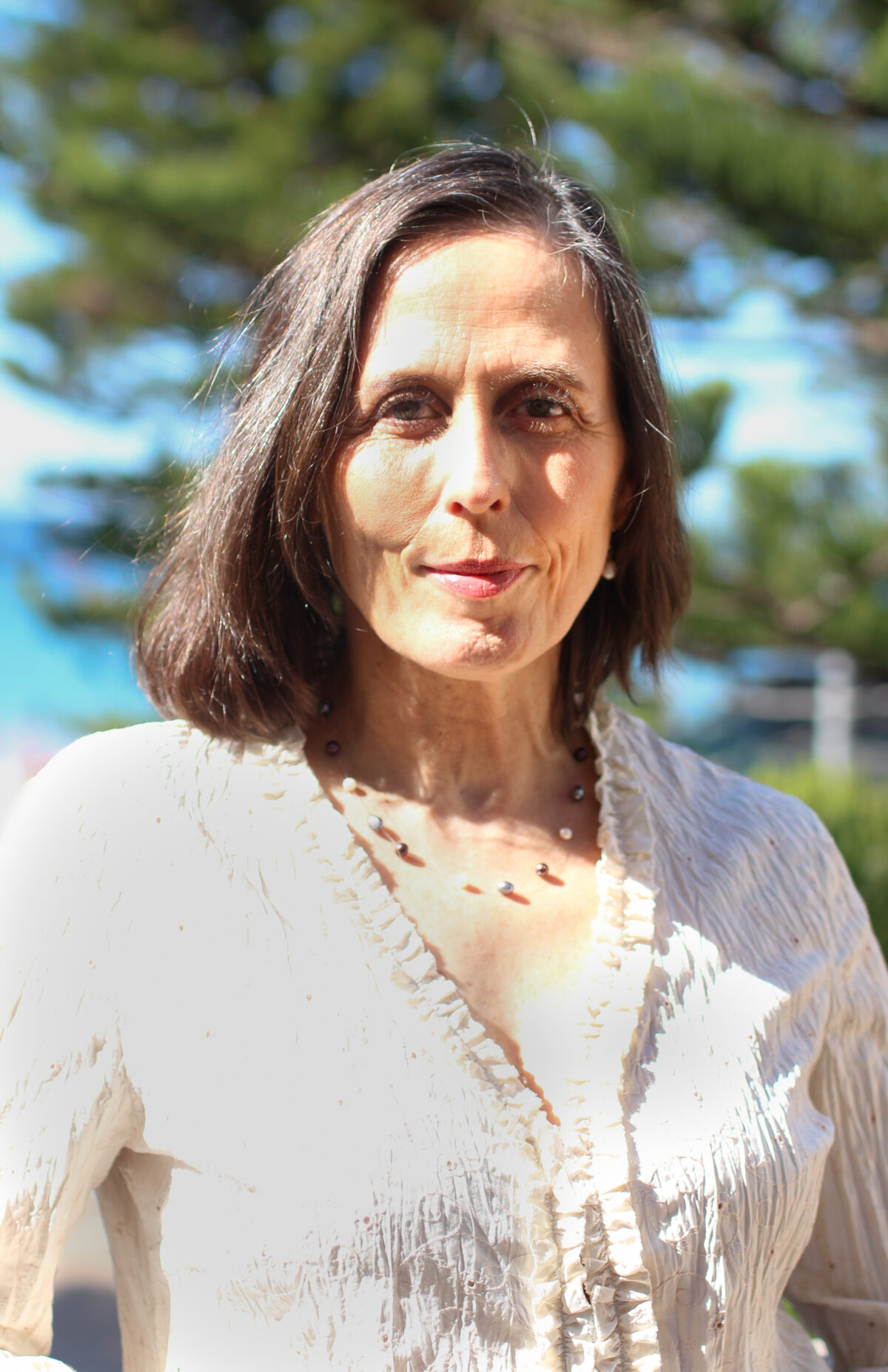
South Steyne Medical Centre (SSMC) is pleased to welcome Dr Richard Curran, an experienced General and Laparoscopic Surgeon, now consulting locally in Manly.

Dr Curran brings extensive experience in general surgery with a particular clinical focus on gallstone disease, including laparoscopic cholecystectomy for both elective and emergency presentations. His practice combines specialist surgical expertise with a strong emphasis on careful assessment, clear communication, and evidence-based decision-making.

To organise an appointment please contact us here.

Experienced General & Laparoscopic Surgeon

A graduate of the University of Sydney, Dr Curran completed his advanced surgical training on the NSW Western rotation and was awarded Fellowship of the Royal Australasian College of Surgeons (FRACS) in 2008.

He currently works as a Consultant General Surgeon at Westmead Hospital and Blacktown & Mt Druitt Hospitals, where his clinical work focuses on laparoscopic general surgery. In addition to his public hospital appointments, Dr Curran operates privately at Westmead Private Hospital and Norwest Private Hospital, and also consults at Delmar Private Hospital in Dee Why.

Focus on Gallbladder & Minimally Invasive Surgery

Dr Curran has developed a large and well-established practice in gallbladder surgery, particularly laparoscopic cholecystectomy, which is widely used to manage gallstone disease. Where appropriate, he prioritises minimally invasive surgical techniques, supporting shorter recovery times and reduced hospital stays.

His broad general surgical background allows him to manage a wide range of conditions while tailoring care to each patient’s individual needs.

Local Specialist Care in Manly

By consulting at South Steyne Medical Centre in Manly, Dr Curran provides patients across Manly, the Northern Beaches, and surrounding areas with convenient access to specialist surgical consultation in a familiar general practice setting. This integrated approach supports close communication between GPs and specialists, helping ensure continuity of care before and after surgery.

Patient-Centred Approach

Dr Curran’s approach is grounded in:

  • Thorough clinical assessment

  • Clear explanation of treatment options

  • Evidence-based surgical care

  • Ongoing support throughout the treatment process

Patients are encouraged to ask questions and take an active role in decisions about their care.

Outside of the operating theatre, Dr Curran is an enthusiastic cyclist and enjoys riding around North Head, making Manly a natural fit for both his professional and personal life.

Referrals

Referrals to Dr Richard Curran can be organised via South Steyne Medical Centre reception, making access to specialist surgical care straightforward for both patients and referring GPs.

To organise an appointment please contact the wonderful SSMC reception team here. You will need a referral for your appointment, a GP consulting at SSMC can organise one for you or your regular GP at another practice.


unnamed-scaled.jpg
11/Apr/2025

South Steyne Medical Centre is pleased to welcome Dr. James Forbes, an experienced interventional pain management specialist now consulting from our clinic in Manly, on Sydney’s Northern Beaches.

Dr. Forbes holds dual fellowships in Anaesthesia and Pain Medicine (FANZCA, FFPMANZCA), and has undergone extensive training in advanced pain management techniques. After completing his medical degree at the University of Bristol, he relocated to Australia where he became a Fellow of both the Australian and New Zealand College of Anaesthetists and the Faculty of Pain Medicine.

Special Interests in Pain Medicine

Dr. Forbes has a particular interest in managing complex and persistent pain conditions through interventional techniques. His areas of clinical interest include:

  • Neurostimulation and neuromodulation therapies

  • Complex Regional Pain Syndrome (CRPS)

  • Neuropathic pain

  • Post-surgical pain

  • Chronic musculoskeletal and back pain

He is trained in procedures such as nerve blocks, radiofrequency neurotomy, pulsed radiofrequency, and spinal cord stimulation, and is fully endorsed by the Faculty of Pain Medicine to perform interventional procedures.

Consulting on the Northern Beaches – By Referral Only

Dr. Forbes is now available for consultation at South Steyne Medical Centre in Manly, serving patients across the Northern Beaches and surrounding Sydney areas.

📝 Please note that Dr. Forbes consults by referral only. Patients can speak to their usual GP, or a doctor who consults at South Steyne Medical Centre, to arrange a referral.

To find out more or to begin the referral process, please contact our reception team via the form below.

About South Steyne Medical Centre

South Steyne Medical Centre is home to a range of independent health professionals offering care to the Manly and Northern Beaches communities. We’re proud to support collaborative, multidisciplinary care delivered with professionalism and respect.

Looking for an interventional pain management specialist on the Northern Beaches?


📍 Dr. James Forbes is now consulting from Manly, NSW


📋 Referrals required – contact us to find out more

🔗 Learn more about how to organise an appointment with Dr. Forbes here.


IMG_3300-2-1200x1854.jpg
15/Sep/2023

Meet Dr Maria Jones Caballero – Dermatologist at the SSMC Skin Cancer Clinic in Manly

If you’re searching for an experienced and highly qualified Dermatologist in Manly, Dr Maria Jones Caballero MD (Hons), PhD, FACD brings more than three decades of international dermatology expertise to the SSMC Skin Cancer Clinic.

Dr Maria combines academic excellence, clinical precision, and a warm, patient-centred approach. She consults on a wide range of dermatological conditions, with a special interest in inflammatory skin disease, tumoral dermatology, women’s dermatological health, and skin cancer diagnosis and management.

To organise a referral please contact our reception team here.

A World-Class Dermatology Background

Dr Maria graduated with honours from the University Autonoma of Madrid, before completing her Dermatology specialist training at the renowned Hospital de La Princesa in 1992. Her academic achievements include a PhD focused on Quality of Life in Dermatology, reflecting her commitment not only to clinical outcomes but also to the patient experience.

She has also completed rotations in two prestigious US institutions:

  • Jackson Memorial Hospital – University of Miami School of Medicine
  • Beth Israel Deaconess Medical Center & Massachusetts General Hospital – Harvard Medical School Hub

These international experiences give Dr Maria a uniquely broad and evidence-driven approach to complex dermatology.

Dermatology Expertise in Australia

After more than a decade working as a Dermatologist in Spain, Dr Maria relocated to Australia and became a Fellow of the Australasian College of Dermatologists (FACD) in 2008.

Today, alongside her private practice, she holds two significant clinical and academic positions:

  • Senior Clinical Lecturer – University of Sydney
  • Staff Specialist – Westmead Hospital, where she oversees three highly specialised clinics:
    • Dermatology for Solid Organ Transplant Patients
    • High-Risk Melanoma Clinic
    • Oncodermatology Clinic

Her leadership in melanoma and high-risk dermatology directly strengthens the care provided at the SSMC Skin Cancer Clinic in Manly, making her one of the most experienced dermatologists in the region.

Conditions Dr Maria Treats

Patients consult Dr Maria for a wide range of dermatological concerns, including:

Inflammatory Skin Conditions

  • Eczema
  • Psoriasis
  • Acne
  • Rosacea
  • Autoimmune and complex inflammatory disorders

Tumoral Dermatology & Skin Cancer

  • Full skin cancer checks
  • Diagnosis and management of skin cancers
  • Melanoma surveillance (including high-risk patients)
  • Treatment of benign and malignant skin tumours

Women’s Dermatological Health

  • Hormonal skin changes
  • Pregnancy-related dermatology
  • Menopause-related skin conditions

General Dermatology

  • Rashes, allergies, and chronic skin disease
  • Hair loss (alopecia)
  • Nail disorders

Her extensive training across Spain, the US, and Australia allows her to manage both routine and highly complex presentations.

A Holistic, Compassionate Approach

Patients describe Dr Maria as thorough, warm, and deeply invested in their wellbeing. Her PhD research in Quality of Life in Dermatology informs her holistic approach—she understands that skin conditions affect more than physical health; they influence confidence, comfort, and daily life.

Outside of medicine, Dr Maria enjoys dancing, photography, and snorkelling, passions that reflect her vibrant and open nature.

Book a Dermatology or Skin Cancer Appointment in Manly

Dr Maria consults at the SSMC Skin Cancer Clinic, located in the heart of Manly. If you are due for a skin cancer check, need a review of a persistent skin condition, or wish to consult an experienced Dermatologist, Dr Maria offers exceptional, evidence-based care.

To organise a referral please contact our reception team here.


Contact us


Call us

(02) 7209 2920


Visit us

15 South Steyne, Manly NSW 2095


Send us an email

ssmadmin@southsteynemedical.com


Social networks


Copyright by South Steyne Medical Centre 2026. All rights reserved.