memory-concerns-cognitive-assessment-manly.png
03/Jul/2026

Memory Concerns in Older Adults: When to Consider a Cognitive Assessment

Occasionally forgetting a name or misplacing something is different from memory changes that disrupt everyday life.

When someone repeatedly misses medications, becomes lost in familiar places or struggles with tasks they previously managed, it is worth speaking with a GP. Assessment can help clarify what is happening without assuming that every memory concern means dementia.

For older adults requiring specialist review, Dr Amit Gupta provides cognitive assessments as part of his geriatric medicine practice in Manly.

Sudden Confusion Needs Urgent Attention

Confusion or a marked change in thinking or behaviour developing over hours or days should not be treated as routine forgetfulness.

It may indicate delirium or another acute medical problem. Seek emergency assessment: call 000 or attend an emergency department. Do not wait for a routine cognitive assessment appointment.

Which Memory Changes Should Be Assessed?

For gradual or ongoing changes, concerns to discuss with a GP include:

  • Repeating questions or forgetting recent conversations more often.
  • Missing medications, appointments or important everyday tasks.
  • Difficulty following conversations, planning or managing familiar activities.
  • Becoming lost in familiar surroundings or showing changes in judgement.

The effect on daily life matters, as does the pattern over time. Family members or carers may notice changes that the person has not recognised themselves.

What Is a Cognitive Assessment?

A cognitive assessment looks at memory and other thinking abilities, such as attention, language, orientation and problem-solving.

It is not simply a pass-or-fail memory test. The clinician considers test findings alongside the person’s medical history, medications, mood, daily functioning and the changes reported by the patient or others.

Depending on the findings, further examinations, blood tests, imaging or follow-up may be recommended. A single cognitive screening result does not, by itself, establish a diagnosis of dementia.

Memory Changes Are Not Always Caused by Dementia

Memory difficulties may relate to several factors, including mood symptoms, sleep problems, medications or other medical conditions.

Depression and anxiety can affect concentration and recall, which is one reason a broader assessment can be useful. You can read more about mood changes, depression and anxiety in older adults.

The purpose of assessment is to investigate possible causes and decide what further care or support is appropriate—not to assume a diagnosis before the review.

Preparing for a Cognitive Assessment

Write down specific examples of the changes you have noticed. Include when they began, whether they are becoming more frequent and how they affect everyday activities.

Bring an up-to-date medication list and any relevant medical information available to you. Mention recent illnesses, hospital admissions or medication changes.

With the person’s agreement, a family member or carer who knows them well may attend and help describe changes over time. Tell the clinic about hearing, vision, language or other communication needs when booking.

What Happens After Assessment?

The next steps depend on the findings. Recommendations may include additional investigations, treatment of contributing health problems, practical support or follow-up to monitor change.

Where memory concerns affect cooking, medication management or other activities, assessment can also inform discussions about safety and supporting independence at home.

Some people need more than one appointment or further testing before the cause of their symptoms becomes clearer.

Cognitive Assessment in Manly

Speak with your usual GP about memory concerns and whether specialist referral would be helpful. You can also book a GP appointment at South Steyne Medical Centre.

Dr Gupta accepts referrals from GPs at SSMC and from external GPs. With a referral, contact reception to enquire about a cognitive assessment appointment.

Important Scope of Practice Note

Dr Gupta provides medical cognitive assessments for older adults. He does not provide financial capacity decision-making assessments or assessments relating to wills.

A medical assessment of memory concerns should not be booked as a substitute for these services. Speak with your GP about an appropriate referral if a financial capacity or wills-related assessment is required.

Frequently Asked Questions

Does being referred for a cognitive assessment mean I have dementia?

No. The referral is an opportunity to investigate concerns. Memory and thinking changes can have different causes, and assessment helps determine the next steps.

Should I wait until memory difficulties become severe?

No. Discuss persistent or concerning changes with your GP, particularly when they affect daily activities or safety. Sudden confusion requires urgent care rather than a routine appointment.


when-to-see-a-geriatrician-manly.png
03/Jul/2026

When Should an Older Adult See a Geriatrician?

There is no need to see a geriatrician simply because you have reached a particular birthday. The more useful question is whether your health needs would benefit from specialist review.

A geriatrician focuses on the health of older adults, particularly when medical conditions, medications, memory, mobility and daily function interact. Your GP can help decide whether this type of assessment would add to your current care.

Start With What Has Changed

Rather than trying to decide which specialist you need, begin by describing the changes you have noticed.

Are everyday activities becoming harder? Have there been repeated falls? Are you concerned about memory, medication effects or a combination of problems?

Specific examples can help your GP assess the situation and decide whether investigations, treatment or referral are appropriate.

Reasons to Discuss a Geriatrician Referral

Memory Changes Are Affecting Everyday Life

Repeatedly forgetting medications, becoming lost in familiar places or struggling with previously manageable tasks are reasons to seek medical advice.

Learn more about when to consider a cognitive assessment.

Falls or Unsteadiness Are Becoming a Concern

A fall, repeated stumbles or increasing difficulty walking may warrant a review. Specialist input can be helpful when several health factors could be contributing.

Read about falls assessment and prevention for older adults.

Managing at Home Is Becoming More Difficult

Increasing difficulty with meals, personal care, shopping or medications may indicate a need to review both health and support arrangements.

Our guide to supporting independence after 65 explains what to discuss.

Mood Concerns Overlap With Other Health Problems

Low mood or anxiety occurring alongside memory changes, frailty or complex medical needs may benefit from a broader assessment.

Learn more about depression and anxiety in older adults.

Medical Conditions and Medications Are Becoming Difficult to Coordinate

A GP may suggest geriatrician review when several conditions interact, medication-related problems are suspected or there is uncertainty about the best approach to ongoing care.

This is not determined by the number of diagnoses or medicines alone. The important consideration is how they affect the person’s health and function.

Should You See Your GP or a Geriatrician First?

For non-urgent concerns, your GP is usually the starting point. They can assess symptoms, review your medical history, arrange initial investigations and discuss suitable referral options.

A geriatrician does not replace your GP. Specialist assessment is intended to complement the ongoing care you already receive.

Some concerns can be managed through general practice or another service without a geriatrician referral.

How to Prepare for the GP Discussion

Write down your main concerns, when they started and a few examples of their effect on daily life. Include recent falls, hospital visits, changes in medications or difficulties managing at home.

You might ask:

  • Would specialist geriatric assessment be helpful in my situation?
  • Are there investigations or treatments we should consider first?
  • What information should accompany a referral?

A family member or carer may attend with your agreement.

Do Not Wait for a Routine Referral in an Emergency

A sudden change in thinking or behaviour may indicate an acute medical problem. New, sudden confusion requires emergency assessment rather than waiting for a specialist appointment. Call 000 or attend an emergency department.

Seeing Dr Amit Gupta in Manly

Dr Amit Gupta consults at South Steyne Medical Centre and accepts referrals from GPs within the practice and from external GPs.

Visit our main page for information about Dr Amit Gupta, geriatrician in Manly, including his areas of practice, appointment preparation and referral enquiries.

To discuss whether a referral is appropriate, speak with your usual GP or book a GP appointment at South Steyne Medical Centre.

Already have a referral? Contact reception to enquire about an appointment.

Frequently Asked Questions

Do I need to wait until I am 75?

No. Dr Gupta provides geriatric assessments for adults aged 65 and over where specialist review is appropriate. A GP 75+ health assessment is a separate service with its own eligibility requirements.

Do I need several health problems before a referral is worthwhile?

Not necessarily. One significant concern may justify specialist input, while several stable conditions may continue to be managed by your GP. The decision depends on your circumstances.


Dr-Amit-Gupta-Geriatrician-Manly-1200x1800.png
03/Jul/2026

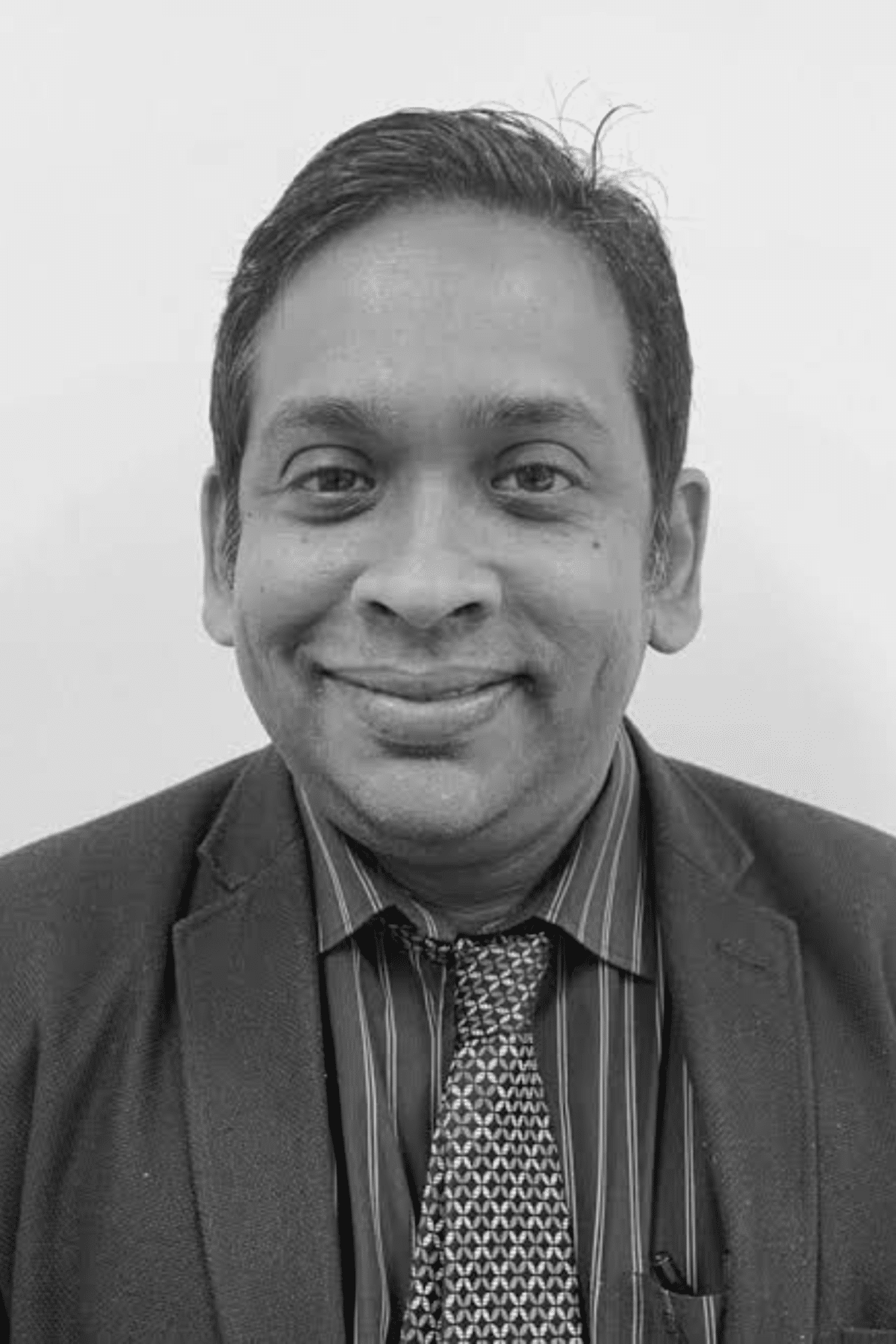
Geriatrician in Manly – Dr Amit Gupta

Dr Amit Gupta is a specialist geriatrician in Manly, consulting at South Steyne Medical Centre. He provides comprehensive geriatric assessments for adults aged 65 and over, including people experiencing memory concerns, falls, mood changes, reduced independence or complex medical needs.

Geriatric medicine brings these concerns together. Rather than considering each symptom separately, an assessment looks at how a person’s health, medications, mobility, thinking and support needs affect their everyday life.

To enquire about an appointment, contact South Steyne Medical Centre. Referrals are accepted from GPs at SSMC and from external GPs.

About Dr Amit Gupta

BMedSc, MBBS (Hons), FRACP

Dr Gupta graduated from the University of New South Wales and completed physician training across Concord, Westmead and Nepean Hospitals before specialising in geriatric medicine.

His areas of practice include comprehensive geriatric assessment, cognitive concerns, mood disorders in later life, falls prevention and general medical issues affecting older adults. You can also find his details on our specialist doctors page.

Comprehensive Geriatric Assessments in Manly

A comprehensive geriatric assessment is a detailed review of an older person’s health and function. It can be helpful when several concerns overlap, when day-to-day activities become more difficult or when a GP recommends a broader specialist review.

Depending on your needs, an assessment may consider:

  • Medical conditions, medications and possible medication-related problems.
  • Memory, thinking, mood and emotional wellbeing.
  • Falls, mobility, balance and physical function.
  • Daily activities, living arrangements and existing support.
  • Your priorities, treatment preferences and ongoing care needs.

Recommendations may include further investigations, changes to medical management, referrals to other health professionals or additional support. The assessment is intended to inform care planning alongside your regular GP.

What Can Dr Gupta Help With?

Memory and Cognitive Concerns

Changes in memory, attention, judgement or the ability to manage familiar tasks may need assessment. Dr Gupta provides cognitive assessments for older adults to investigate these concerns and guide further management.

Learn more about memory concerns and cognitive assessment in Manly.

Falls and Mobility Changes

Falls, repeated stumbles, increasing unsteadiness or a loss of confidence when walking can have several contributing causes. Assessment may consider medical conditions, medications, balance, mobility and other factors affecting safety.

Read about falls prevention and assessment for older adults.

Mood Changes in Later Life

Low mood, anxiety or withdrawal can occur alongside physical illness, memory concerns or changes in independence. Dr Gupta can assess mood concerns within the context of an older person’s broader medical and functional needs.

Our article on depression, anxiety and mood changes in older adults explains when to seek help.

Frailty, Complex Health Needs and Reduced Independence

Managing several medical conditions or medications can become more difficult over time. A specialist review may help clarify how these issues interact and what support could assist with everyday activities.

Find out more about supporting independence after 65.

When Is a Geriatrician Referral Appropriate?

Your GP may recommend specialist assessment when health concerns are becoming more complex, symptoms remain unexplained or changes are affecting safety and daily function.

Not every older adult needs a geriatrician. The decision depends on individual needs rather than age alone.

For a practical guide to discussing this with your GP, read when an older adult should see a geriatrician.

Preparing for Your Appointment

Before your appointment, think about the main concerns you would like to discuss and what you hope to understand better.

It can be helpful to bring your referral, an up-to-date medication list, relevant test results or hospital discharge information, and notes about recent changes. A family member or carer who knows you well may also be helpful, with your agreement.

Let reception know about any mobility, communication or other access needs when arranging your appointment.

Residential Aged Care Enquiries

For older adults living in residential aged care, please contact reception to discuss whether a nursing home visit can be arranged. Availability, location and clinical suitability need to be confirmed before booking.

Referrals and Appointments

Dr Gupta accepts referrals from GPs consulting at South Steyne Medical Centre and from GPs elsewhere in the community.

Please arrange a valid referral before your specialist appointment. Reception can advise on the booking process, how to provide your referral, current fees and appointment availability.

Already have a referral? Contact reception to enquire about an appointment with Dr Amit Gupta.

Need to discuss a referral first? Speak with your usual GP or book a GP appointment at South Steyne Medical Centre.

Our Manly Location

Dr Gupta consults at South Steyne Medical Centre, 15 South Steyne, Manly NSW 2095, welcoming patients from Manly and the wider Northern Beaches.

For appointment enquiries, call (02) 7209 2920 or visit our contact page.

Frequently Asked Questions

Do I need to be an existing SSMC patient?

No. Dr Gupta accepts referrals from external GPs as well as GPs consulting at South Steyne Medical Centre.

Will a geriatrician replace my regular GP?

No. Specialist geriatric care complements your usual GP care. Your GP remains an important part of managing your ongoing health.

Does Dr Gupta provide financial capacity or wills assessments?

No. Dr Gupta does not provide financial capacity decision-making assessments or assessments relating to wills. Please speak with your GP about a suitable referral pathway if these assessments are required.


skin-cancer-wound-repair-manly.png
02/Jul/2026

Skin Cancer Wound Repair in Manly

If you are having a skin cancer or suspicious skin lesion removed, an important consideration is how the wound will be managed and repaired afterwards. Appropriate skin cancer wound repair in Manly involves careful assessment of the lesion, the surrounding skin and the most suitable approach to treatment.

At South Steyne Medical Centre, doctors consulting at our Manly Skin Cancer Clinic provide skin cancer assessments and can advise patients about appropriate treatment options, wound management and specialist referral where necessary.

Many patients are understandably concerned about scarring, healing and cosmetic outcomes, particularly when a skin cancer is located on the face, scalp, neck or another visible area.

What Is Skin Cancer Wound Repair?

Skin cancer wound repair refers to the management and closure of the wound following the removal of a skin cancer or suspicious skin lesion.

The approach depends on several factors, including:

  • The size and type of lesion
  • Its location on the body
  • The amount of tissue requiring removal
  • The condition and elasticity of the surrounding skin
  • The patient’s general health and healing factors
  • Cosmetic and functional considerations
  • Whether specialist treatment is required

Some wounds can be closed using standard stitches, while others require more complex techniques or specialist management.

The primary objective is to ensure appropriate treatment while supporting healing and reducing the risk of complications.

What Is a Flap Repair?

A flap repair is an advanced wound closure technique sometimes used following skin cancer removal.

It involves moving nearby skin and underlying tissue into the area where a lesion has been removed. This can help close wounds that may be difficult to manage using standard sutures alone.

Flap repairs may be considered when:

  • The wound is relatively large
  • The surrounding skin has limited movement
  • A simple closure could cause excessive tension
  • The wound is close to important facial structures
  • Functional or cosmetic considerations require a different approach

Not every skin cancer removal requires a flap repair. Many wounds can be closed using conventional suturing techniques.

Complex wound repairs, including flap reconstruction, may require referral to a dermatologist, plastic surgeon or another appropriately qualified specialist.

Skin Cancer Assessment and Treatment in Manly

South Steyne Medical Centre provides access to doctors with interests in skin cancer medicine through its dedicated Manly Skin Cancer Clinic.

Depending on the nature of the lesion and the services available, an assessment may involve:

  • Examination of suspicious skin lesions
  • Dermoscopic assessment
  • Discussion of appropriate treatment options
  • Consideration of whether a biopsy or excision is required
  • Assessment of wound healing and scarring considerations
  • Referral for specialist surgical treatment where appropriate

The most suitable treatment depends on the type of skin lesion, its location, the patient’s medical history and the clinical findings.

Learn more about our Manly Skin Cancer Clinic.

Why Wound Repair Matters After Skin Cancer Removal

Removing a skin cancer is only one component of treatment. The way the wound is managed afterwards can influence healing, discomfort, infection risk and the appearance of the resulting scar.

Wound repair considerations are particularly important for lesions involving:

  • Face
  • Nose
  • Cheeks
  • Forehead
  • Scalp
  • Ears
  • Neck
  • Upper chest
  • Hands

While any surgical procedure involving the skin can result in scarring, appropriate planning, wound care and follow-up can help support healing.

Patients should also be aware that healing outcomes differ between individuals and depend on several factors, including age, skin type, wound location and underlying medical conditions.

Facial Skin Cancer Wound Repair

Skin cancer surgery involving the face requires particular attention because of the area’s complex anatomy and its cosmetic and functional importance.

A clinician assessing a facial skin cancer may consider:

  • The size and location of the lesion
  • The proximity of the eyes, nose, lips or ears
  • Skin tension and natural facial movement
  • The anticipated size of the wound
  • Potential scarring
  • The need for specialist surgical management

Some facial skin cancers can be managed in general practice, depending on the complexity of the lesion and the treating doctor’s scope of practice.

More complex cases may require referral to a dermatologist, plastic surgeon or another specialist.

When Might Specialist Referral Be Recommended?

Not all skin cancers or wounds are suitable for management within a general practice setting.

Specialist referral may be recommended when:

  • A lesion is large or clinically complex
  • The skin cancer is located in a high-risk anatomical area
  • There is concern about aggressive or recurrent skin cancer
  • The wound may require advanced reconstruction
  • The diagnosis or appropriate treatment is uncertain
  • Specialist assessment would provide a safer or more appropriate treatment pathway

The aim is to ensure that patients receive care appropriate to their individual clinical circumstances.

Skin Cancer Checks at South Steyne Medical Centre

South Steyne Medical Centre is located directly opposite Manly Beach and provides access to skin cancer assessment services for patients across Manly and Sydney’s Northern Beaches.

Doctors consulting at the practice can assess suspicious skin lesions, discuss treatment options and arrange referral where specialist management is indicated.

Regular skin checks may be particularly important for people with significant sun exposure, a personal or family history of skin cancer, or changing or suspicious skin lesions.

For further information, visit our dedicated Skin Cancer Clinic in Manly.

Book a Skin Cancer Assessment in Manly

If you are concerned about a suspicious skin lesion, an existing skin cancer diagnosis or wound healing following a previous procedure, you can arrange an appointment with a doctor consulting at South Steyne Medical Centre.

An initial assessment can help determine the appropriate next steps, including whether further investigation, treatment or specialist referral is required.

View Our Manly Skin Cancer Clinic and Booking Information

For general enquiries, please contact South Steyne Medical Centre.

Frequently Asked Questions

What is skin cancer wound repair?

Skin cancer wound repair involves managing and closing the wound after a skin cancer or suspicious lesion has been surgically removed. The appropriate technique depends on the wound’s size, location and complexity.

What is a flap repair after skin cancer removal?

A flap repair is an advanced surgical technique that uses nearby tissue to close a wound. It may be necessary when standard stitches cannot achieve an appropriate closure or where functional considerations require a different approach.

Do all skin cancer removals require flap repairs?

No. Many skin cancer removals can be closed using standard sutures. Advanced techniques are generally reserved for wounds where simpler approaches are unsuitable.

Can skin cancer wound repair be performed in general practice?

Some skin cancer procedures and wound closures can be performed by appropriately trained GPs. More complex procedures may require specialist treatment. The appropriate setting depends on the lesion and the treating clinician’s expertise.

Will skin cancer wound repair leave a scar?

Any procedure involving an incision in the skin can leave a scar. The appearance of the scar depends on the size and location of the wound, the repair technique and individual healing factors.

Is skin cancer wound repair more complicated on the face?

It can be. The face contains important functional and cosmetic structures, which means some facial wounds require more complex planning or specialist surgical care.

How do I know whether my skin cancer requires specialist surgery?

A doctor can assess the lesion and consider its size, location, clinical appearance and other relevant risk factors. Depending on the findings, further investigation or referral may be recommended.

How long does healing take after skin cancer surgery?

Healing time varies according to the location, depth and size of the wound, the type of procedure and the individual’s general health. Your treating clinician can provide more specific advice based on your circumstances.

Will I need stitches removed?

Some wounds are closed using dissolvable sutures, while others require stitches to be removed at a follow-up appointment. Your treating clinician will explain the appropriate wound care and follow-up requirements.

Where can I book a skin cancer check in Manly?

Patients can find information about available doctors and skin cancer assessment appointments through the South Steyne Medical Centre Skin Cancer Clinic.


doctor-performing-mole-assessment.png
02/Jul/2026

Mole Assessment and Removal in Manly

If you are looking for mole assessment and removal in Manly, South Steyne Medical Centre provides access to skin checks, assessment of suspicious moles and advice about appropriate treatment options through its dedicated Manly Skin Cancer Clinic.

Moles are common, and many are harmless. However, some moles can change over time or develop features that require closer examination. In Australia, where ultraviolet (UV) exposure is a significant contributor to skin cancer risk, it is important to have new, changing or unusual moles assessed by a doctor.

Doctors consulting at South Steyne Medical Centre can assess suspicious moles and discuss whether monitoring, further investigation, removal or specialist referral may be appropriate.

When Should You Have a Mole Checked?

You should consider booking a mole assessment if you notice a mole that is new, changing or different from others on your skin.

It is particularly important to have a mole checked if it:

  • Changes in size, shape or colour
  • Has an irregular border
  • Has multiple colours or uneven pigmentation
  • Becomes itchy, painful or irritated
  • Bleeds, crusts or does not heal
  • Looks different from your other moles
  • Grows quickly
  • Has returned or changed after previous treatment

A mole assessment can help determine whether a lesion appears benign, requires monitoring, needs further investigation or should be referred for treatment.

Mole Assessment at South Steyne Medical Centre

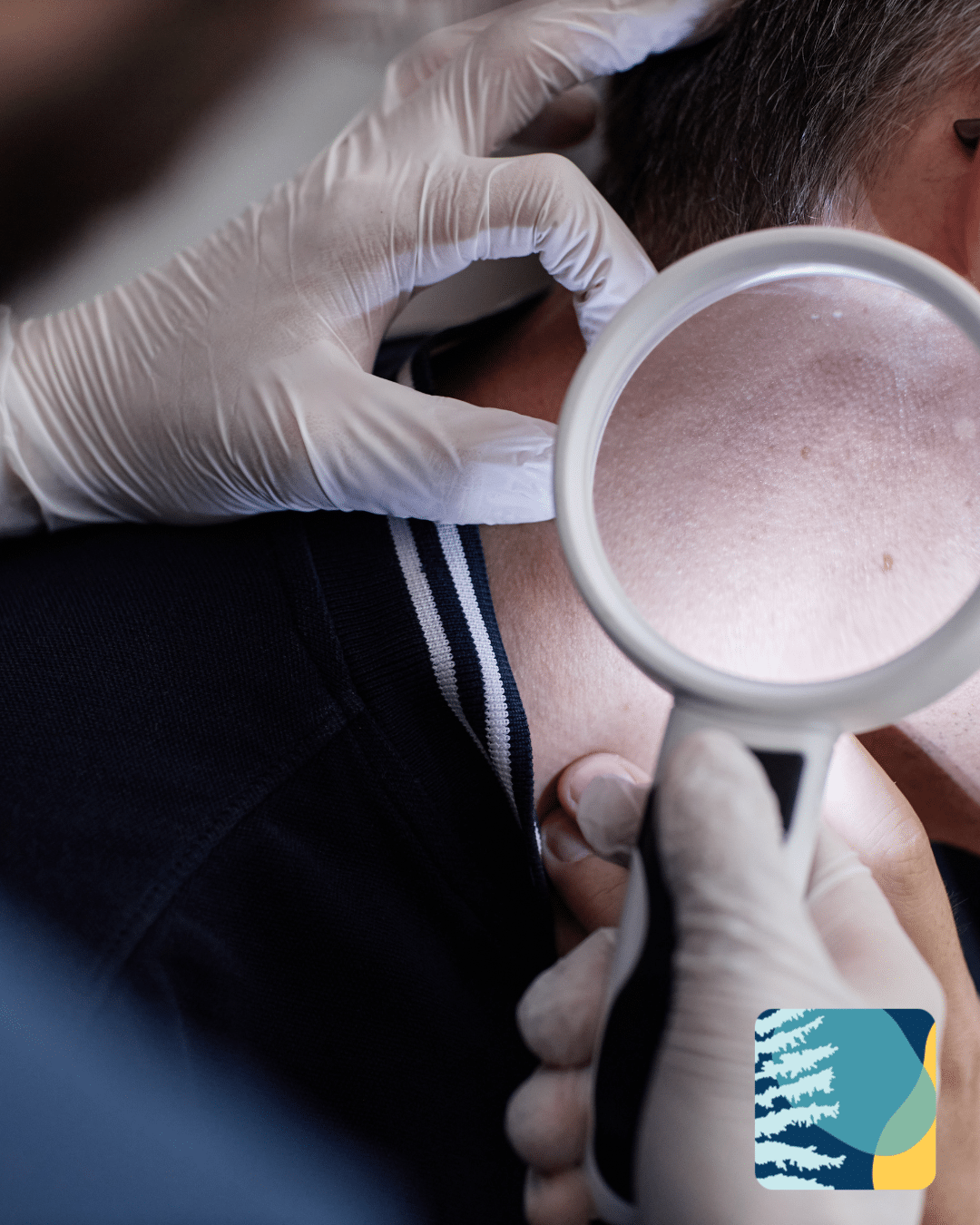
During a mole assessment, a doctor will examine the mole and consider its appearance, history and any changes you have noticed.

The consultation may include:

  • Reviewing when the mole first appeared
  • Asking whether it has changed over time
  • Examining its size, shape, border and colour
  • Using a dermatoscope for closer examination where appropriate
  • Considering your skin type and history of sun exposure
  • Discussing any personal or family history of skin cancer
  • Assessing whether monitoring, biopsy, removal or specialist referral is required

Not every mole needs to be removed. Many benign moles can be left alone, while suspicious lesions may require further investigation.

Mole Removal in Manly

Mole removal may be recommended when a lesion has suspicious features, changes over time, causes persistent irritation or requires further investigation.

The most appropriate approach depends on the mole’s clinical appearance, location and the reason removal is being considered.

Depending on the assessment, a doctor may recommend:

  • Monitoring the mole for changes
  • Further examination or investigation
  • Biopsy or surgical removal where clinically appropriate
  • Referral to a dermatologist, plastic surgeon or another specialist
  • Ongoing skin checks for patients at increased risk of skin cancer

Not all mole removal procedures are available at South Steyne Medical Centre. Patients requiring surgical removal can receive advice about suitable treatment options and specialist referral where necessary.

Why Is Professional Mole Assessment Important?

Mole assessment involves more than examining a mole’s appearance. A doctor also needs to consider whether a lesion has features that could indicate melanoma or another form of skin cancer.

A medical assessment can help distinguish between common benign lesions and those requiring further investigation.

For patients in Manly and the Northern Beaches, South Steyne Medical Centre provides access to doctors who can assess suspicious skin lesions and recommend appropriate next steps.

You can learn more about available services through our Manly Skin Cancer Clinic.

What Happens During Mole Removal?

If mole removal is recommended, the treating clinician will explain the procedure, expected healing time, potential scarring and whether the tissue will be sent for pathological examination.

Depending on the type of lesion and the surgical approach, mole removal may involve:

  • Cleaning and preparing the treatment area
  • Administering a local anaesthetic
  • Removing the lesion using an appropriate technique
  • Closing the wound with sutures if required
  • Applying a dressing
  • Providing wound care instructions
  • Arranging follow-up or suture removal where necessary

The procedure and treatment setting depend on the characteristics of the mole and the clinician’s assessment.

Will a Removed Mole Be Sent to Pathology?

Moles removed because of suspicious clinical features are generally sent to pathology for examination.

Pathology testing can help confirm the diagnosis and determine whether further treatment or follow-up is required.

The treating clinician will explain the role of pathology testing and any associated follow-up arrangements.

Mole Removal on the Face and Visible Areas

Moles on the face, neck and other visible areas can raise additional concerns about scarring, healing and cosmetic outcomes.

An assessment should consider:

  • The size and type of mole
  • Its location
  • Whether there are suspicious features
  • The potential for scarring
  • The most appropriate removal technique
  • Whether specialist treatment would be preferable

Some lesions in cosmetically sensitive areas may require referral to a dermatologist or plastic surgeon.

The priority is to ensure that the lesion is assessed appropriately and managed safely.

Regular Skin Checks and Mole Monitoring

Regular skin checks may be recommended for patients with an increased risk of skin cancer, including those who have:

  • Numerous or unusual moles
  • A personal history of melanoma or other skin cancers
  • A family history of melanoma
  • Fair skin or significant sun exposure
  • A history of severe sunburn
  • Other relevant skin cancer risk factors

Skin checks can help identify lesions requiring monitoring or further investigation and provide an opportunity to discuss sun protection and individual risk.

Book a Mole Assessment in Manly

If you are concerned about a mole or would like to discuss mole assessment and removal in Manly, you can arrange an appointment with a doctor consulting at South Steyne Medical Centre.

An initial consultation can help determine whether monitoring, further investigation or referral for removal is appropriate.

View Our Manly Skin Cancer Clinic and Booking Information

For general enquiries, please contact South Steyne Medical Centre.

Frequently Asked Questions

Do all moles need to be removed?

No. Many moles are harmless and do not require removal. A doctor can assess whether monitoring, further investigation or treatment is necessary.

When should I be concerned about a mole?

You should arrange an assessment if a mole changes in size, shape or colour, bleeds, becomes painful, fails to heal or looks different from your other moles.

Does South Steyne Medical Centre provide mole assessments?

Yes. Doctors consulting at South Steyne Medical Centre provide skin checks and assessment of suspicious moles through the Manly Skin Cancer Clinic.

Can I have a mole removed at South Steyne Medical Centre?

The availability of mole removal depends on the type of lesion, the procedure required and the services provided by individual doctors. An assessment can help determine whether removal is appropriate and whether specialist referral is needed.

Will mole removal leave a scar?

Any procedure involving an incision can leave a scar. The appearance of the scar depends on the size and location of the lesion, the removal technique and individual healing factors.

Is mole removal painful?

Mole removal is commonly performed under local anaesthetic, which numbs the treatment area. Some discomfort may occur after the anaesthetic wears off.

Will my mole be tested?

Suspicious moles removed for diagnostic purposes are generally sent for pathological examination. Your treating clinician will explain the testing and follow-up process.

Can I have a mole removed for cosmetic reasons?

Cosmetic mole removal may be possible depending on the type and location of the mole and the availability of appropriate services. A medical assessment is important before considering removal.

How long does it take to heal after mole removal?

Healing time varies depending on the size and location of the wound, the technique used and individual healing factors. Your treating clinician will provide wound care instructions appropriate to the procedure.

Can a mole come back after removal?

Some moles may recur after removal, depending on the technique used and the nature of the lesion. Any recurring or changing lesion should be reassessed.

Can I book a mole assessment directly?

Yes. Patients can arrange a skin cancer or mole assessment through the Manly Skin Cancer Clinic or contact reception for assistance.


doctor-examining-skin-manly.png
02/Jul/2026

Skin Cancer Surgery in Manly

If you are looking for skin cancer surgery in Manly, an important first step is having the affected area assessed by an appropriately qualified medical practitioner.

At South Steyne Medical Centre, doctors consulting at our Manly Skin Cancer Clinic provide skin cancer checks, assessment of suspicious skin lesions and advice on appropriate treatment pathways, including referral for surgical management where necessary.

Skin cancer is particularly common in Australia, where many people experience significant ultraviolet (UV) exposure throughout their lives. For patients living in Manly and Sydney’s Northern Beaches, regular skin checks and timely assessment of changing or suspicious skin lesions are important aspects of preventative healthcare.

What Is Skin Cancer Surgery?

Skin cancer surgery generally involves removing a skin cancer or suspicious lesion, often under local anaesthetic. The removed tissue is usually sent to a pathology laboratory for examination.

The aim of surgical treatment is to remove the affected tissue while considering the type of skin cancer, the location of the lesion, the required surgical margins, wound healing and cosmetic outcomes.

The appropriate surgical approach depends on several factors, including:

  • The type of skin cancer or suspected skin cancer
  • The size, depth and location of the lesion
  • Whether the lesion is located in a cosmetically or functionally sensitive area
  • The patient’s medical history and individual risk factors
  • Whether the lesion has previously been treated
  • Whether specialist surgical management is required

Some skin cancers can be treated in a general practice setting by appropriately trained doctors. Others require referral to a dermatologist, plastic surgeon or another specialist.

Skin Cancer Assessment at South Steyne Medical Centre

South Steyne Medical Centre provides access to doctors with interests in skin cancer medicine through its dedicated Manly Skin Cancer Clinic.

Patients can arrange an appointment for assessment of:

  • Suspected basal cell carcinoma (BCC)
  • Suspected squamous cell carcinoma (SCC)
  • Suspicious or changing moles
  • Non-healing skin lesions
  • Bleeding, crusting or growing spots
  • Lesions identified during a routine skin check
  • Previously treated skin cancers requiring review
  • Skin lesions that may require biopsy or surgical assessment

Following an examination, the treating doctor can discuss appropriate next steps. These may include monitoring, further investigation, treatment within the doctor’s scope of practice or referral to a specialist for skin cancer surgery.

Learn more about our Manly Skin Cancer Clinic.

When Should You Have a Skin Lesion Checked?

It is important to arrange a medical assessment if you notice a new, changing or unusual spot on your skin.

Warning signs that should prompt assessment include a lesion that:

  • Changes in size, shape or colour
  • Bleeds, crusts or becomes painful
  • Does not heal
  • Looks different from your other moles or spots
  • Becomes itchy or irritated
  • Grows rapidly
  • Develops an unusual border or appearance
  • Returns after previous treatment

Not every changing skin lesion is cancerous. However, early assessment can help identify potentially serious conditions and determine whether further investigation or treatment is needed.

Why Is Early Skin Cancer Detection Important?

Early detection is an important part of skin cancer management.

Some skin cancers can grow into surrounding tissue or spread to other parts of the body if left untreated. Identifying suspicious lesions early may allow for less extensive treatment and can improve outcomes.

Regular skin checks may be particularly important for people who:

  • Have previously been diagnosed with skin cancer
  • Have a family history of melanoma
  • Have fair skin or a history of significant sunburn
  • Have spent considerable time outdoors
  • Have numerous or unusual moles
  • Are immunosuppressed
  • Have a history of substantial UV exposure

The frequency of skin checks should be determined according to individual risk factors and medical advice.

What Happens During a Skin Cancer Assessment?

During an appointment, a doctor will assess the lesion and discuss relevant aspects of your medical and skin cancer history.

The consultation may include:

  • Examination of the suspicious lesion
  • Dermoscopic assessment where appropriate
  • Discussion of symptoms and recent changes
  • Review of previous skin cancer diagnoses or treatments
  • Assessment of whether further investigation is required
  • Consideration of biopsy, monitoring, treatment or specialist referral
  • Advice about ongoing skin cancer surveillance and prevention

If surgery is considered necessary, the doctor can explain the recommended next steps and whether referral to a specialist is appropriate.

What Happens During Skin Cancer Surgery?

The exact procedure depends on the type and location of the skin cancer.

For many skin cancers, surgical removal involves administering a local anaesthetic, removing the lesion with an appropriate margin of surrounding tissue and managing the resulting wound.

Following removal, the tissue is generally sent for pathological examination to confirm the diagnosis and assess whether further treatment is required.

Some wounds can be closed using standard sutures. Others may require advanced wound closure techniques or specialist reconstruction.

The treating clinician will determine the appropriate surgical approach based on the individual circumstances.

Skin Cancer Surgery on the Face and Sensitive Areas

Skin cancers affecting the face, nose, ears, scalp, neck and other sensitive areas may require additional consideration.

These locations contain important cosmetic and functional structures, and treatment planning may involve:

  • The size and location of the lesion
  • The type and risk classification of the skin cancer
  • The potential effect on surrounding structures
  • The amount of tissue requiring removal
  • Scarring and wound healing
  • The need for advanced surgical reconstruction
  • Whether specialist management is recommended

In some situations, referral to a dermatologist or plastic surgeon may be the most appropriate pathway.

Patients concerned about a suspicious facial lesion can arrange an initial assessment through South Steyne Medical Centre’s Skin Cancer Clinic.

What Happens After Skin Cancer Surgery?

Following skin cancer surgery, patients generally receive advice about wound care, healing and follow-up appointments.

Depending on the procedure, this may include:

  • Keeping the wound clean and protected
  • Following dressing and wound care instructions
  • Monitoring for signs of infection
  • Avoiding activities that place excessive tension on the wound
  • Returning for suture removal if required
  • Reviewing pathology results
  • Arranging further treatment where necessary

Patients with a history of skin cancer may also benefit from ongoing surveillance, as they can be at increased risk of developing additional skin cancers.

When Is Specialist Referral Recommended?

Not every skin cancer can or should be treated in a general practice setting.

Referral to a dermatologist, plastic surgeon or another appropriate specialist may be recommended when:

  • The lesion is large or clinically complex
  • The skin cancer is located in a high-risk area
  • There is concern about melanoma or another aggressive skin cancer
  • The lesion has previously been treated and has returned
  • Advanced wound closure or reconstruction may be necessary
  • The diagnosis or appropriate management is uncertain
  • Specialist treatment offers a more appropriate care pathway

At South Steyne Medical Centre, doctors can assess suspicious lesions and discuss whether specialist referral is indicated.

Skin Cancer Checks in Manly and the Northern Beaches

South Steyne Medical Centre is located directly opposite Manly Beach and provides access to skin cancer assessments for patients from Manly and surrounding Northern Beaches suburbs.

Our dedicated Skin Cancer Clinic supports patients seeking assessment of suspicious lesions, routine skin checks and advice about skin cancer prevention and treatment.

For patients who require surgical treatment, an appropriate assessment can help establish the next steps and whether specialist management is required.

Learn more about our Skin Cancer Clinic in Manly.

Book a Skin Cancer Assessment in Manly

If you have noticed a suspicious skin lesion, have a history of skin cancer or have been advised that you may require skin cancer surgery, you can arrange an assessment with a doctor consulting at South Steyne Medical Centre.

An initial consultation can help determine the appropriate next steps, including investigation, treatment options and specialist referral where necessary.

View Our Manly Skin Cancer Clinic and Booking Information

For general enquiries, please contact South Steyne Medical Centre.

Frequently Asked Questions

Do I need a skin check before skin cancer surgery?

A medical assessment is generally required before skin cancer surgery to determine the nature of the lesion and the most appropriate treatment. This may include dermoscopy, biopsy or other investigations.

Can all skin cancers be removed in general practice?

No. Some skin cancers can be surgically removed by appropriately trained GPs, while others require specialist management. The appropriate treatment setting depends on the type, size, location and complexity of the lesion.

Does South Steyne Medical Centre provide skin cancer assessments?

Yes. South Steyne Medical Centre provides access to doctors offering skin cancer checks and assessment of suspicious lesions. Patients can also receive advice about appropriate treatment options and specialist referral where required.

Will removed skin cancer tissue be sent to pathology?

Tissue removed during skin cancer surgery is generally sent to a pathology laboratory for examination. This helps confirm the diagnosis and determine whether further treatment may be required.

Does skin cancer surgery hurt?

Many skin cancer procedures are performed under local anaesthetic to numb the treatment area. Patients may experience some pressure during the procedure and discomfort afterwards. The treating clinician will explain what to expect.

Will skin cancer surgery leave a scar?

Any surgical procedure involving an incision can leave a scar. The appearance of the scar depends on factors including the size and location of the lesion, the repair technique and individual healing characteristics.

How long does healing take after skin cancer surgery?

Healing time varies depending on the size and location of the wound, the procedure performed and the patient’s general health. Your treating clinician will provide individual wound care and follow-up advice.

What are the warning signs of skin cancer?

Warning signs include new or changing moles, lesions that bleed or fail to heal, unusual growths and spots that look different from others on your skin. Any concerning lesion should be assessed by a doctor.

How often should I have a skin cancer check?

The appropriate frequency depends on individual risk factors, including previous skin cancers, family history, skin type and UV exposure. A doctor can recommend a suitable surveillance schedule.

Can I book a skin cancer assessment directly?

Yes. Patients can find information about available appointments through our Manly Skin Cancer Clinic or contact reception for assistance.

Can patients outside Manly attend the Skin Cancer Clinic?

Yes. South Steyne Medical Centre welcomes patients from Manly and across Sydney’s Northern Beaches seeking skin cancer assessments and advice about appropriate management.


lifestyle-medicine-sydney-gp-consultation.png
18/May/2026

Lifestyle Medicine Sydney: What It Is and How It Can Help

Many people in Sydney are becoming more interested in how lifestyle, environment and everyday habits affect long-term health. While modern medicine plays an essential role in diagnosing, treating and managing illness, there is growing recognition that factors such as nutrition, movement, sleep, stress, alcohol use, smoking, social connection and behaviour change can also have a major impact on health over time.

This is where Lifestyle Medicine can be helpful.

Lifestyle Medicine is a clinical approach that focuses on the lifestyle factors that contribute to health, illness and chronic disease risk. It is not an alternative to conventional medicine. Rather, it works alongside general practice and evidence-based medical care to help patients make practical, sustainable changes that support better long-term health. The RACGP describes Lifestyle Medicine as an adjunct discipline that can support chronic disease management, particularly as chronic disease has become a major part of modern general practice.

For patients searching for Lifestyle Medicine in Sydney, this approach may be useful if they want more time, structure and support to address the broader factors influencing their health.

What Is Lifestyle Medicine?

Lifestyle Medicine looks at the relationship between daily habits and health outcomes. Instead of only focusing on symptoms or short-term treatment, it considers the bigger picture of a person’s lifestyle, health history, goals, risks and barriers to change.

A Lifestyle Medicine appointment may include discussion around:

  • Nutrition and eating patterns
  • Physical activity and movement
  • Sleep quality and routines
  • Stress and emotional wellbeing
  • Smoking, alcohol and other risk factors
  • Social connection and support
  • Weight, metabolic health and cardiovascular risk
  • Chronic disease prevention and management
  • Sustainable behaviour change

The aim is not to give generic advice or expect perfection. The aim is to help patients develop realistic strategies that fit their life, health needs and circumstances.

Why Lifestyle Medicine Matters

Many common long-term health issues are influenced by lifestyle and environmental factors. The World Health Organization identifies unhealthy diet, physical inactivity, tobacco use and harmful alcohol use as common behavioural risk factors for noncommunicable diseases, which can contribute to metabolic risk factors such as raised blood pressure, increased blood glucose, elevated blood lipids and obesity.

This does not mean that health is entirely within a person’s control. Genetics, age, social circumstances, work demands, financial pressure, mental health, access to care and many other factors can all affect health. Lifestyle Medicine should not be about blame or shame.

Instead, it is about identifying where change may be possible and supporting patients to take practical steps toward better health.

For some patients, this may mean improving sleep or reducing stress. For others, it may mean building confidence with movement, changing eating patterns, reducing alcohol intake, improving cardiovascular risk factors, or creating a more structured plan for managing chronic disease.

Lifestyle Medicine and Chronic Disease Care

Lifestyle Medicine can be especially relevant for patients with chronic health concerns or risk factors. These may include high blood pressure, high cholesterol, insulin resistance, type 2 diabetes risk, weight-related health concerns, sleep issues, stress-related symptoms, inflammatory conditions or general concerns about long-term health.

In general practice, chronic disease care often involves medication, pathology testing, monitoring, referrals and preventive health planning. Lifestyle Medicine can complement this by helping patients work on the behaviours and routines that influence their health between appointments.

For example, a patient may understand that they need to exercise more, improve their diet or sleep better, but still find it difficult to make those changes in real life. A Lifestyle Medicine approach can help explore the barriers, habits and practical steps involved.

A More Personalised Approach to Health

One of the benefits of Lifestyle Medicine is that it allows for a more personalised discussion.

Two people may have the same health goal but need very different strategies. A busy parent, a shift worker, a retiree, a person managing chronic pain and someone experiencing burnout may all need different plans.

Lifestyle Medicine appointments can provide space to discuss what is actually realistic. This might include where a patient is starting from, what has worked before, what has not worked, and what kind of support they need to make progress.

Rather than focusing only on short-term results, Lifestyle Medicine often looks at long-term sustainability. Small, consistent changes can be more useful than ambitious plans that are difficult to maintain.

Who Might Benefit from Lifestyle Medicine?

A Lifestyle Medicine appointment may be helpful for people who:

  • Want a more structured approach to long-term health
  • Have been advised to make lifestyle changes but feel unsure where to start
  • Are managing chronic disease risk factors
  • Want support with weight, metabolic health or cardiovascular risk
  • Feel that stress, sleep or lifestyle patterns are affecting their wellbeing
  • Want to improve their healthspan, not just lifespan
  • Prefer a collaborative, practical approach to preventive health

It may also suit patients who are already interested in Lifestyle Medicine and want to work with a GP who understands this approach.

Lifestyle Medicine in Sydney

Sydney patients often lead busy lives, balancing work, family, commuting, stress and competing priorities. Even when people know what they “should” do for their health, it can be difficult to turn health advice into sustainable routines.

Lifestyle Medicine can help bridge that gap. It gives patients a framework for thinking about their health more broadly and making changes in a way that is practical, safe and clinically appropriate.

For patients in Sydney, it may be particularly valuable when they want more time to talk through their health goals and create a plan that considers both medical and lifestyle factors.

Lifestyle Medicine Appointments in Manly

For patients in Manly, the Northern Beaches and surrounding Sydney suburbs, South Steyne Medical Centre has a dedicated Lifestyle Medicine Clinic in Manly.

Dr Jo Lobb, a GP consulting at South Steyne Medical Centre, provides Lifestyle Medicine appointments with a focus on thoughtful, evidence-based care. Her approach considers both immediate health concerns and the broader lifestyle factors that may influence long-term wellbeing.

If you already know about Lifestyle Medicine and are looking for a doctor, or if you want to learn more about how Lifestyle Medicine could potentially help you, you can visit the dedicated Lifestyle Medicine Manly page for more information.

Book a Lifestyle Medicine Appointment

If you are looking for Lifestyle Medicine in Sydney, South Steyne Medical Centre offers Lifestyle Medicine appointments with Dr Jo Lobb in Manly.

Patients can book an Initial Lifestyle Medicine appointment online via HotDoc or by calling reception.


dr-jo-lobb-south-steyne-medical-centre-gp-manly-1200x1800.jpg
18/May/2026

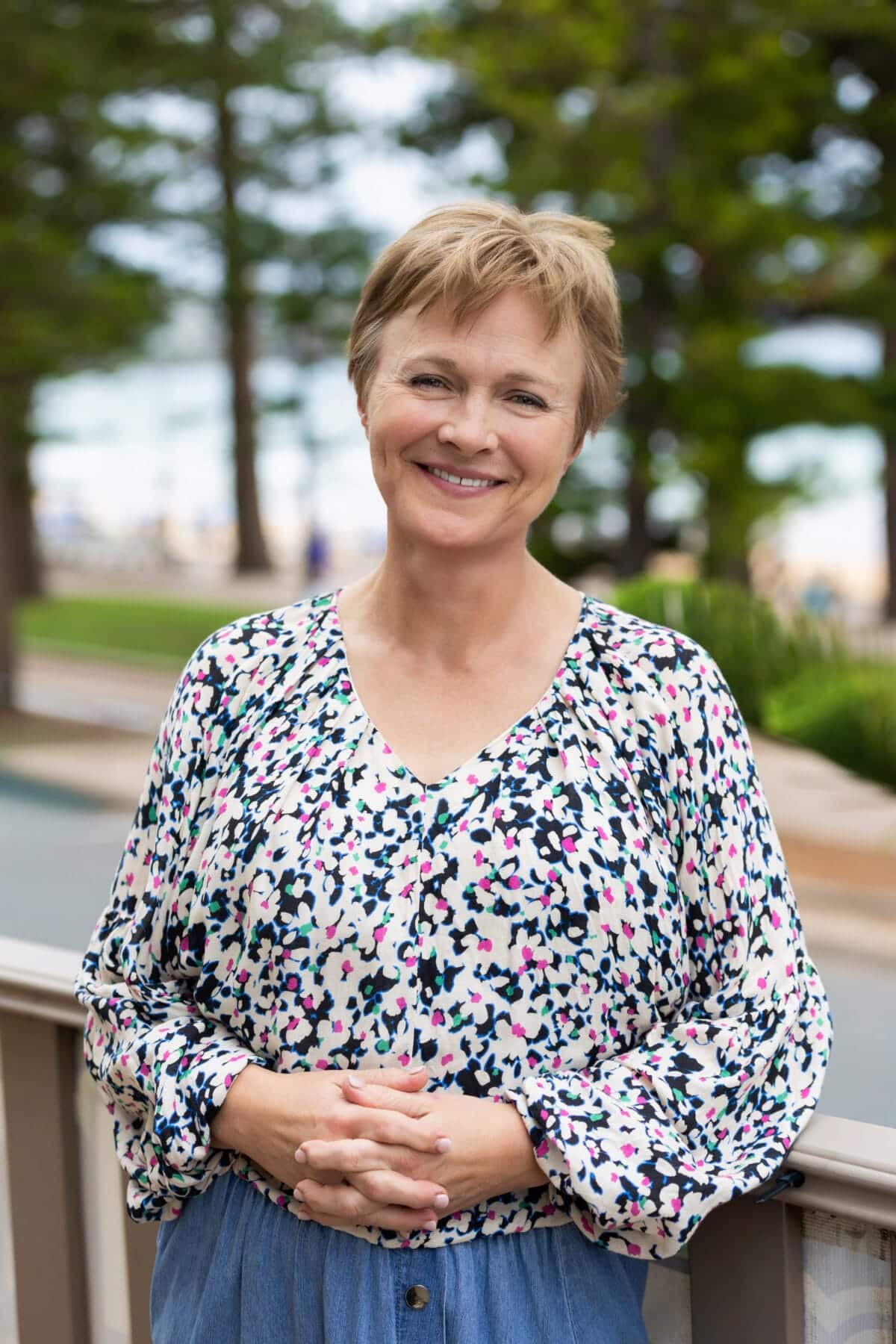
Dr Jo Lobb – Lifestyle Medicine and Chronic Disease GP in Manly

Dr Jo Lobb is an experienced GP consulting at South Steyne Medical Centre, located in the heart of Manly on Sydney’s Northern Beaches.

Dr Jo provides thoughtful, evidence-based general practice with a special interest in Lifestyle Medicine, Chronic Disease Management and long-term preventative healthcare. As an experienced family GP, Dr Jo works collaboratively with patients to develop realistic, sustainable strategies that support both immediate health concerns and long-term wellbeing.

Patients searching for a Lifestyle Medicine GP in Manly, a Lifestyle Medicine doctor on the Northern Beaches, or a GP with a strong interest in chronic disease care can benefit from Dr Jo’s whole-person, evidence-based approach to health.

A Generalist Family GP in Manly

Dr Jo began her career in General Practice in rural Tasmania in 2008 after working across several tertiary hospitals in Australia. She returned to Sydney in 2010 and has since provided ongoing care to individuals and families across the community.

As a non-procedural GP, Dr Jo considers herself a true generalist family doctor, with a strong focus on:

  • Continuity of care
  • Thorough assessment and evidence-based management
  • Preventative healthcare
  • Collaborative decision-making
  • Long-term patient relationships
  • Whole-person health

Dr Jo works closely with patients, families and allied health professionals across the Northern Beaches to help coordinate care and support sustainable health outcomes.

Lifestyle Medicine in Manly

Dr Jo has a special interest in Allopathic Lifestyle Medicine, an approach that combines evidence-based medical care with structured lifestyle interventions to support overall health and long-term disease prevention.

Lifestyle Medicine may include support with:

  • Nutrition and dietary optimisation
  • Physical activity and exercise guidance
  • Sleep health
  • Stress management
  • Behavioural change strategies
  • Preventative health planning
  • Long-term health optimisation

Dr Jo understands that medication and lifestyle strategies are not mutually exclusive. In many cases, they work best together. Her approach integrates conventional medical treatment with personalised “lifestyle scripts” tailored to each patient’s goals, health conditions and life circumstances.

Patients interested in learning more about Lifestyle Medicine can also visit the practice’s dedicated Lifestyle Medicine page: Lifestyle Medicine Manly.

Chronic Disease Management on the Northern Beaches

Dr Jo has a strong interest in helping patients manage chronic and complex health conditions, including:

  • Cardiovascular disease
  • Type 2 diabetes
  • Metabolic health conditions
  • Chronic inflammatory conditions
  • Long-term complex health concerns

Through structured Chronic Disease Management, Dr Jo aims to:

  • Clarify diagnoses
  • Optimise medical treatment
  • Coordinate multidisciplinary care
  • Develop achievable lifestyle strategies
  • Monitor progress over time
  • Support sustainable long-term health outcomes

Where appropriate, patients may also be eligible for GP Management Plans and Team Care Arrangements to support coordinated allied health care.


Lifestyle Medicine Is Not Just for Chronic Disease

Lifestyle Medicine is not only for patients with diagnosed medical conditions.

Many patients seek support because they want to:

  • Improve energy levels
  • Improve sleep and recovery
  • Reduce long-term health risks
  • Improve physical and mental wellbeing
  • Build healthier long-term habits
  • Optimise overall quality of life

Dr Jo focuses on creating realistic and sustainable strategies that evolve alongside each patient’s lifestyle, goals and circumstances.


Booking a Lifestyle Medicine Consultation with Dr Jo Lobb

Lifestyle Medicine consultations generally require additional time to properly explore a patient’s health history, goals and current challenges.

Patients wishing to explore this approach are encouraged to request a longer Lifestyle Medicine consultation with Dr Jo Lobb when booking.

These appointments allow time for:

  • Comprehensive assessment
  • Collaborative goal setting
  • Development of a structured health plan
  • Discussion of both medical and lifestyle interventions

Appointments with Dr Jo can be booked through reception at South Steyne Medical Centre or online via HotDoc.


Why Patients Choose Dr Jo Lobb in Manly

Patients seeking a GP on the Northern Beaches often choose Dr Jo for her:

  • Experienced, evidence-based general practice care
  • Interest in Lifestyle Medicine and preventative health
  • Collaborative and patient-centred approach
  • Focus on sustainable long-term health outcomes
  • Structured Chronic Disease Management
  • Whole-person approach to health and wellbeing

If you are looking for a Lifestyle Medicine GP in Manly, a Chronic Disease GP on the Northern Beaches, or an experienced family doctor focused on long-term health, Dr Jo Lobb welcomes new and existing patients at South Steyne Medical Centre.

To book an appointment with Dr Lobb you can do so via HotDoc or you can contact us directly. 


08/Apr/2026

Dr Yee is a highly experienced GP in Manly, providing care at South Steyne Medical Centre with over 20 years of experience in general practice and skin cancer medicine. Patients searching for Dr Yee GP Manly will find a trusted, experienced doctor with a strong focus on preventative health, long-term care, and community impact.

You can organise an appointment with Dr Yee, GP in Manly below:

A Trusted Doctor in the Manly Community

Dr Yee is a well-established GP in Manly, known for delivering high-quality care across both metropolitan and regional communities.

In December 2021, Dr Yee partnered with South Steyne Medical Centre to establish the SSMC Skin Cancer Clinic, bringing a full-service skin cancer offering to the Northern Beaches.

In addition to his work as a Manly GP, Dr Yee continues to provide visiting skin cancer consultant services in Coffs Harbour, maintaining strong clinical ties across both urban and regional settings.

Patients value Dr Yee’s experience, precision, and thoughtful approach to care, particularly when it comes to long-term skin monitoring and preventative health.

Areas of Clinical Interest

As an experienced GP in Manly, Dr Yee provides care across:

  • Skin Cancer Medicine (Surgical & Non-Surgical Treatment)
  • Preventative Health & Early Detection
  • Indigenous Health & Social Policy
  • Technology-Driven Healthcare Solutions
  • Impact Investment & Social Change

Qualifications & Training

  • Bachelor of Medicine, Bachelor of Surgery (MBBS), University of Adelaide
  • Master of Medicine, University of Sydney
  • Impact Investment Qualification, University of Oxford

Community & Indigenous Health Leadership

Dr Yee has played a key role in the establishment and management of one of Australia’s largest Indigenous community-owned, not-for-profit primary health organisations, delivering culturally appropriate healthcare across the Mid North Coast and Far West regions of NSW.

He is deeply committed to improving health outcomes through:

  • Community-led healthcare models
  • Education and development initiatives
  • Long-term, sustainable impact investment strategies

International Work & Broader Impact

Dr Yee also contributes at a board level to international social enterprises, including:

  • Telehealth clinic services in rural India
  • Mental health and wellbeing programs across Asia-Pacific communities

His work reflects a broader commitment to addressing health and social inequality through innovation and collaboration.

Languages Spoken

  • English
  • French
  • Indonesian
  • Mandarin

Book an Appointment with Dr Yee GP Manly

Dr Yee consults at South Steyne Medical Centre in Manly.

If you are looking for an experienced GP in Manly, you can book an appointment with Dr Yee GP Manly online or contact our team.


Dr-Thu-Linh-Lin-Ly.png
08/Apr/2026

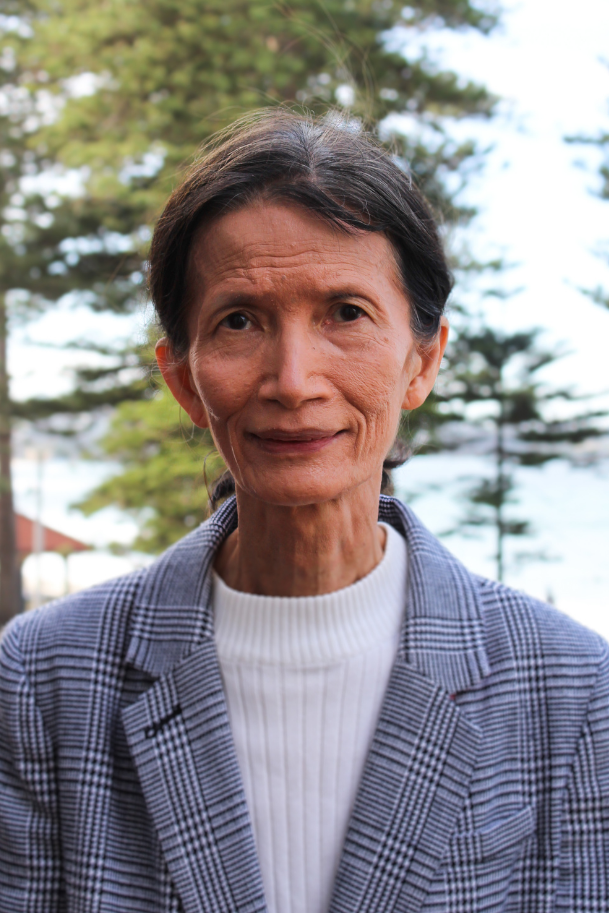
If you’re looking for a highly experienced GP in Manly, Dr Thu Linh Ly at South Steyne Medical Centre offers over 25 years of trusted care to individuals and families across the Northern Beaches.

Dr Ly is a senior General Practitioner and a graduate of the University of New South Wales. She is a Fellow of the Royal Australian College of General Practitioners (FRACGP), holds a Diploma in Obstetrics from the Royal Australian and New Zealand College of Obstetricians and Gynaecologists, and is also a qualified medical acupuncturist through the Australian Medical Acupuncture College.

Having practised in Manly for more than two decades, Dr Ly is a well-known and respected family doctor, caring for multiple generations of local families with a personalised and long-term approach to health.

You can book an appointment online via our booking system or contact our reception team for assistance.

Comprehensive Family Healthcare in Manly

Dr Ly provides comprehensive general practice care, supporting patients at all stages of life – from childhood through to adulthood and beyond.

Her approach focuses on:

  • Preventative health and early intervention
  • Continuity of care for chronic conditions
  • Holistic, patient-centred treatment plans

Patients value her calm, thoughtful approach and her ability to manage both acute and ongoing health concerns with care and experience.

Areas of Interest

Dr Thu Linh Ly offers a wide range of services at South Steyne Medical Centre, including:

  • Child & Adolescent Health
  • Women’s Health
  • Chronic Disease Management
  • Work Injury Management
  • Skin Cancer Checks
  • Dive Medicals
  • Preventative Health
  • General Practice Medicine
  • Acupuncture (Needle & Laser)

Her additional training in obstetrics and acupuncture allows her to provide a broader scope of care, particularly for patients seeking complementary approaches alongside conventional medicine.

Acupuncture in Manly (Medical Acupuncture)

Dr Ly is experienced in both needle and laser acupuncture, offering this as part of a medically informed treatment plan where appropriate.

Medical acupuncture may be used to support a range of conditions, including musculoskeletal pain, stress-related symptoms, and chronic health concerns, as part of a comprehensive GP-led approach.

Multilingual GP Supporting the Local Community

Dr Ly speaks:

  • English
  • Cantonese
  • Vietnamese

This allows her to support a diverse patient population across Manly and the Northern Beaches, helping ensure clear communication and culturally appropriate care.

A Trusted GP in the Manly Community

Having served the Manly community for over 25 years, Dr Ly has built strong, long-standing relationships with her patients. Many families continue to see her across generations, reflecting her commitment to consistent, high-quality care.

Outside of the practice, Dr Ly enjoys learning French and playing in a community orchestra, reflecting her connection to both lifelong learning and the local community.

Book an Appointment with Dr Thu Linh Ly

If you are looking for a trusted GP in Manly with extensive experience in family medicine, preventative care, and acupuncture, Dr Thu Linh Ly is available for appointments at South Steyne Medical Centre.

You can book an appointment online via our booking system or contact our reception team for assistance.


Contact us


Call us

(02) 7209 2920


Visit us

15 South Steyne, Manly NSW 2095


Send us an email

ssmadmin@southsteynemedical.com


Social networks


Accreditation


agpal-accredited-medical-centre-manly


Yellow Fever accredited medical centre in Manly


Copyright by South Steyne Medical Centre 2026. All rights reserved.