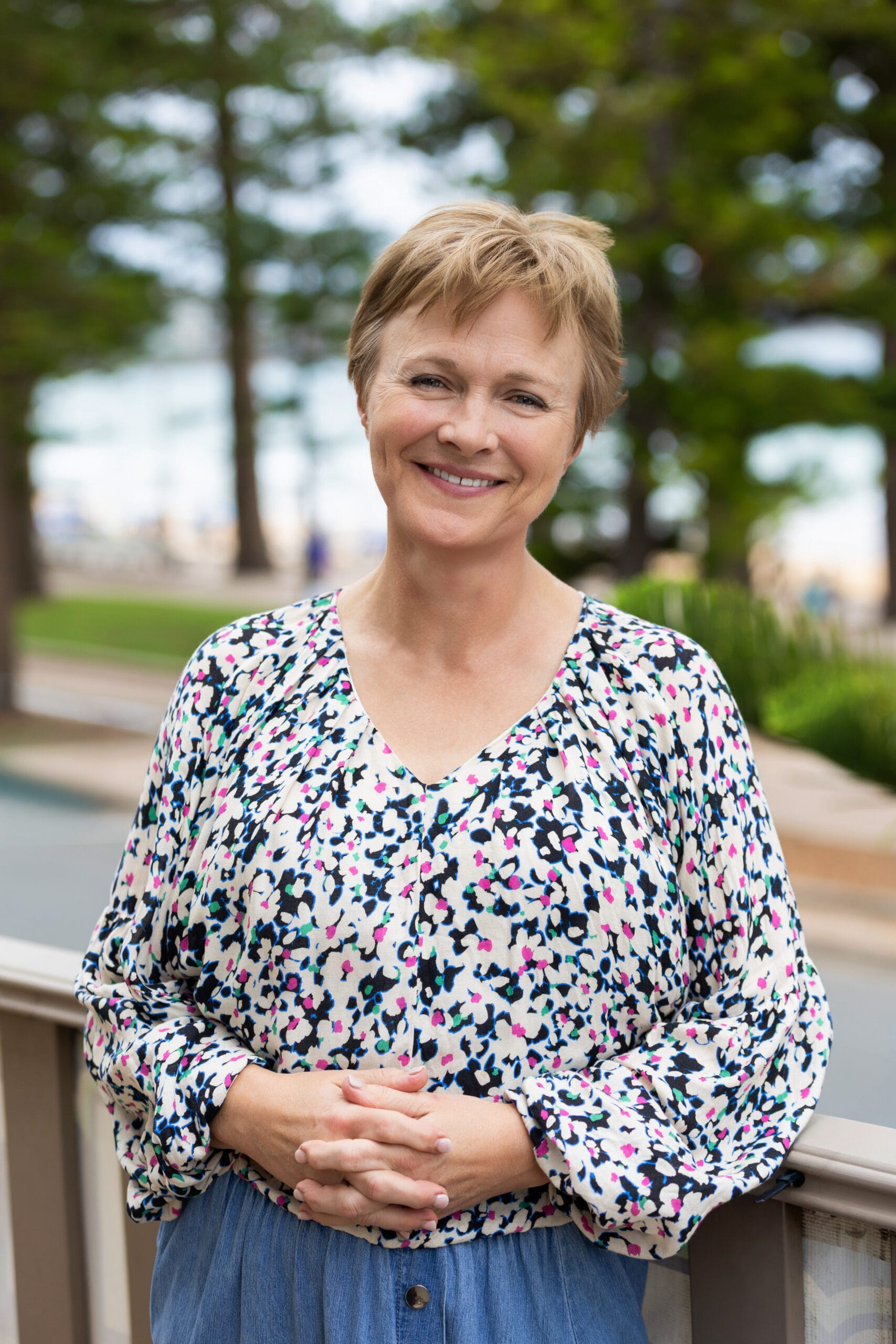

supporting-independence-after-65-geriatrician-manly.png
03/Jul/2026

Supporting Independence After 65: How a Geriatrician Can Help

Independence is one of the most important parts of quality of life as people age. For many older adults, staying independent means continuing to live safely at home, remaining socially connected, managing health conditions and maintaining confidence in day-to-day activities.

However, after the age of 65, health needs can become more complex. Changes in memory, mobility, mood, strength, medications or confidence may gradually affect a person’s ability to manage independently.

A geriatrician can help older adults, families, carers and GPs better understand these changes and plan practical supports to help maintain independence where possible.

At South Steyne Medical Centre in Manly, Dr Amit Gupta provides specialist geriatric medicine services for adults over 65, including comprehensive geriatric assessments, cognitive assessments, mood concerns in later life, falls prevention and general medicine for older adults.

Why Independence Can Change With Age

Independence can be affected by many different factors. Sometimes changes happen gradually, while in other cases they may follow a fall, illness, hospital admission or change in living circumstances.

Common factors that may affect independence include:

  • Reduced strength or mobility
  • Falls or fear of falling
  • Memory or thinking changes
  • Mood changes, depression or anxiety
  • Medication side effects
  • Chronic medical conditions
  • Pain or arthritis
  • Frailty
  • Reduced confidence
  • Social isolation
  • Difficulty managing daily tasks

A geriatrician can help assess how these issues interact and what can be done to support the person’s health, safety and function.

Signs an Older Adult May Need More Support

It may be helpful to speak with a GP about referral to a geriatrician if an older adult is experiencing:

  • Increasing difficulty managing at home
  • Recurrent falls or near-falls
  • New memory concerns
  • Confusion or reduced judgement
  • Reduced ability to manage medications
  • Difficulty shopping, cooking or attending appointments
  • Poor nutrition or weight loss
  • Reduced confidence leaving the home
  • Social withdrawal
  • Mood changes
  • Increasing reliance on family or carers
  • Recent hospital presentations or health decline

Early assessment can help identify concerns before they become more serious.

How a Geriatrician Can Help Support Independence

A geriatrician is a specialist doctor who focuses on the health and wellbeing of older adults. Their role is to assess the whole person, rather than one symptom in isolation.

For older adults who are experiencing changes in independence, a geriatrician may review:

  • Current medical conditions
  • Medications and possible side effects
  • Memory and cognition
  • Mood and emotional wellbeing
  • Falls risk
  • Mobility, strength and balance
  • Daily function and self-care
  • Home and care supports
  • Safety concerns
  • Overall health goals

This can help guide a practical care plan that supports independence, safety and quality of life.

Comprehensive Geriatric Assessment

A comprehensive geriatric assessment is often useful when an older adult has several overlapping health or functional concerns.

This type of assessment may consider medical, cognitive, emotional, physical and social factors. It can help identify what supports may be needed and how care can be better coordinated between the patient, family, GP and other health professionals.

For many older adults, the goal is not simply to treat one condition, but to maintain function, reduce risk and support the person to live as well and independently as possible.

Supporting Independence at Home

Many older adults wish to remain living at home for as long as it is safe and appropriate. A geriatrician assessment may help identify strategies to support this, such as:

  • Reviewing medications
  • Addressing falls risk
  • Investigating memory or mood concerns
  • Recommending allied health input
  • Considering mobility aids or home safety measures
  • Supporting care planning with the GP
  • Identifying when additional home supports may be needed

Families and carers often play an important role in noticing changes and helping arrange support.

75+ Health Assessments and Independence

For patients aged 75 and over, a 75+ health assessment with a GP can be an important part of preventative care.

These assessments can help review:

  • General health
  • Medications
  • Mobility and falls risk
  • Memory and mood
  • Home safety
  • Daily function
  • Social supports
  • Preventative health needs

If concerns are identified during a 75+ health assessment, the GP may recommend further review or referral to a geriatrician for specialist assessment. You can organise an apppointment with a GP consulting at South Steyne Medical Centre here. 

When to Speak With a GP

If you are concerned about an older adult’s independence, safety, memory, mobility, mood or ability to manage at home, a GP is usually the best first point of contact.

The GP can assess the situation, arrange initial investigations where needed and provide a referral to a geriatrician if specialist input is appropriate.

Dr Amit Gupta accepts referrals from GPs consulting at South Steyne Medical Centre, as well as external GPs in the wider community.

For more information, please contact South Steyne Medical Centre.

If you would like to organise an appointment with Dr Gupta please contact us here. 

Important Scope of Practice Note

Dr Amit Gupta provides comprehensive geriatric medical assessments. However, he does not provide financial capacity decision-making assessments or assessments related to wills.

If you require advice about wills, legal decision-making or financial capacity, please seek appropriate legal advice and speak with your GP about suitable referral options.

FAQ

How can a geriatrician help older adults stay independent?
A geriatrician can assess medical conditions, medications, memory, mood, mobility, falls risk and daily function to help guide supports that may maintain independence and safety.

When should an older adult see a geriatrician?
A geriatrician may be helpful when an older adult has memory concerns, falls, mood changes, frailty, complex medical needs, reduced independence or difficulty managing at home.

What is a comprehensive geriatric assessment?
A comprehensive geriatric assessment is a detailed review of an older person’s health, function, cognition, mood, mobility and support needs.

Can a 75+ health assessment help with independence?
Yes. A 75+ health assessment with a GP can help identify issues affecting independence, including falls risk, memory concerns, medication issues, mood changes and support needs.

Do I need a GP referral?
A GP referral is generally recommended. Referrals may come from GPs at South Steyne Medical Centre or external GPs.

Where does Dr Amit Gupta consult?
Dr Amit Gupta consults at South Steyne Medical Centre in Manly.


mood-changes-depression-anxiety-older-adults-manly.png
03/Jul/2026

Mood Changes, Depression and Anxiety in Older Adults

Mood changes in later life are common, but they should not be ignored. Depression, anxiety, irritability, withdrawal or loss of interest in usual activities can significantly affect an older person’s health, independence and quality of life.

Sometimes mood changes are related to grief, loneliness, illness, pain, medication changes, reduced mobility or changes in independence. In other cases, mood symptoms may overlap with memory concerns, sleep problems or broader medical issues.

At South Steyne Medical Centre in Manly, Dr Amit Gupta provides specialist geriatric medicine services for adults over 65, including assessment of mood concerns in later life, cognitive assessments, falls prevention, comprehensive geriatric assessments and general medicine for older adults.

Mood Changes Are Not Just a Normal Part of Ageing

It is sometimes assumed that low mood or anxiety is inevitable as people get older. This is not the case. While older adults may face significant life changes, persistent depression, anxiety or emotional distress should be assessed and supported.

Mood concerns may present differently in older adults compared with younger people. Some people may not describe feeling “depressed” or “anxious”, but may instead report physical symptoms, poor sleep, reduced appetite, low energy, irritability, loss of confidence or withdrawal from family and social activities.

Signs of Depression or Anxiety in Older Adults

It may be worth speaking with a GP if an older adult is experiencing:

  • Persistent low mood or sadness
  • Anxiety, worry or fearfulness
  • Loss of interest in usual activities
  • Social withdrawal
  • Irritability or personality changes
  • Poor sleep or sleeping more than usual
  • Reduced appetite or weight changes
  • Low energy or fatigue
  • Loss of confidence
  • Increased physical complaints
  • Difficulty concentrating
  • Reduced motivation to leave the home
  • Thoughts of hopelessness or feeling like a burden

If there are any immediate concerns about safety, urgent medical support should be sought.

Why Mood Changes Need Careful Assessment

Mood symptoms in older adults can have many possible causes. These may include psychological, social and medical factors.

Possible contributors include:

  • Grief or bereavement
  • Loneliness or social isolation
  • Chronic pain
  • Reduced mobility
  • Loss of independence
  • Medication side effects
  • Sleep problems
  • Cognitive changes or dementia
  • Recent illness or hospitalisation
  • Thyroid problems or vitamin deficiencies
  • Alcohol use
  • Stress related to caring roles or family changes

Because mood symptoms can overlap with medical and cognitive concerns, a broader assessment can be helpful.

Depression, Anxiety and Memory Concerns

Depression and anxiety can affect concentration, memory and decision-making. In some older adults, mood symptoms may look similar to cognitive decline.

At the same time, memory problems or early cognitive changes can contribute to anxiety, withdrawal or low mood.

A geriatrician can help assess mood and cognition together, which may be useful when families or carers are unsure whether changes are mainly emotional, cognitive, medical or a combination of factors.

How a Geriatrician Can Help

A geriatrician is a specialist doctor who focuses on the health and wellbeing of older adults. For mood changes, depression and anxiety, a geriatrician may assess the person’s mood symptoms in the context of their overall health, medications, cognition, mobility, function and support needs.

This can help identify contributing factors and guide a practical management plan in collaboration with the patient’s GP and care team.

Depending on the situation, recommendations may include further medical review, medication review, psychological support, social supports, lifestyle strategies, allied health input or referral to other services where appropriate.

Comprehensive Geriatric Assessment for Mood Concerns

For older adults with several overlapping concerns, mood assessment may form part of a comprehensive geriatric assessment.

This may include review of:

  • Current mood and emotional wellbeing
  • Memory and cognition
  • Medical conditions
  • Medications
  • Sleep and appetite
  • Pain and mobility
  • Falls risk
  • Daily function and independence
  • Family, social and care supports
  • Ongoing management needs

This type of assessment can be particularly useful when mood symptoms occur alongside memory changes, frailty, falls, reduced independence or complex medical conditions.

75+ Health Assessments and Mood

For patients aged 75 and over, a 75+ health assessment with a GP can help identify changes in mood, memory, mobility, medications, home safety and support needs.

If depression, anxiety or emotional wellbeing concerns are identified during a 75+ health assessment, the GP may recommend further review, support services or referral to a geriatrician where specialist assessment is appropriate.

When to Seek Help

Families and carers should consider seeking help if an older adult’s mood changes are persistent, worsening or affecting daily life.

This may include changes in sleep, appetite, self-care, social connection, confidence, mobility, memory or ability to manage at home.

A GP is usually the best first point of contact. They can assess immediate concerns, provide support and refer to a geriatrician if specialist input is needed.You can organise a referral with a GP consulting at SSMC here.

Referrals in Manly

Dr Amit Gupta accepts referrals from GPs consulting at South Steyne Medical Centre, as well as external GPs in the wider community.

For more information, please contact South Steyne Medical Centre.

You can contact us here if you have a valid referral and would like to organise an appointment with Dr Gupta.

Important Scope of Practice Note

Dr Amit Gupta provides comprehensive geriatric medical assessments, including assessment of mood concerns in older adults. However, he does not provide financial capacity decision-making assessments or assessments related to wills.

If you require advice about legal decision-making, financial capacity or wills, please seek appropriate legal advice and speak with your GP about suitable referral options.

FAQ

Are depression and anxiety common in older adults?
Depression and anxiety can affect older adults, particularly when there are health changes, grief, isolation, pain, reduced mobility or loss of independence. Persistent symptoms should be assessed.

Can depression look like memory loss in older adults?
Yes. Depression and anxiety can affect concentration, memory and confidence. A medical assessment can help clarify whether symptoms are related to mood, cognition, medical issues or several factors.

When should an older adult see a doctor for mood changes?
An older adult should speak with a GP if mood changes are persistent, worsening, affecting daily life, causing withdrawal, disrupting sleep or appetite, or raising concerns for family or carers.

Can a geriatrician help with mood disorders in older adults?
Yes. A geriatrician can assess mood symptoms in the context of an older person’s medical conditions, medications, cognition, function, mobility and support needs.

Can a 75+ health assessment identify mood concerns?
Yes. A 75+ health assessment with a GP can help identify mood, memory, mobility, medication and support concerns in older adults.

Where does Dr Amit Gupta consult?
Dr Amit Gupta consults at South Steyne Medical Centre in Manly.


falls-prevention-older-adults-manly.png
03/Jul/2026

Falls Prevention for Older Adults in Manly

Falls are one of the most common health concerns affecting older adults. While many people assume falls are simply part of ageing, a fall, near-fall or new unsteadiness can be a sign that further medical assessment is needed.

Falls can lead to injury, reduced confidence, loss of independence and increased worry for families and carers. The good news is that many falls risks can be identified and reduced with the right assessment and support.

At South Steyne Medical Centre in Manly, Dr Amit Gupta provides specialist geriatric medicine services for adults over 65, including falls prevention, comprehensive geriatric assessments, cognitive assessments, mood concerns in later life and general medicine for older adults.

Why Falls Prevention Matters

A fall can have a significant impact on an older person’s health and quality of life. Even when no major injury occurs, a fall may make someone less confident moving around, less willing to leave home or more dependent on others.

Falls prevention is about understanding why falls are happening and identifying practical ways to reduce future risk.

This may include looking at medical conditions, medications, balance, strength, mobility, vision, cognition, home safety and support needs.

When Should Falls Be Assessed?

An older adult may benefit from a falls assessment if they have experienced:

  • A recent fall
  • Repeated falls
  • Near-falls or frequent stumbles
  • New unsteadiness when walking
  • Dizziness or light-headedness
  • Reduced confidence moving around
  • Difficulty getting out of a chair or bed
  • Changes in strength, balance or mobility
  • Fear of falling
  • A fall associated with confusion, fainting or medication changes

Falls should be taken seriously, especially when they are new, recurrent or affecting independence.

Common Causes of Falls in Older Adults

Falls often have more than one cause. A geriatrician can help assess the broader medical picture and identify contributing factors.

Common contributors may include:

  • Medication side effects
  • Blood pressure changes
  • Dizziness or fainting
  • Poor balance
  • Reduced muscle strength
  • Vision problems
  • Foot problems or unsuitable footwear
  • Cognitive changes or confusion
  • Parkinson’s disease or neurological conditions
  • Pain or arthritis
  • Frailty
  • Environmental hazards at home

Understanding the cause of falls is an important step in reducing future risk.

How a Geriatrician Can Help With Falls Prevention

A geriatrician is a specialist doctor who focuses on the health and wellbeing of older adults. For falls prevention, a geriatrician may review the patient’s medical history, medications, mobility, balance, cognition, mood and overall function.

This type of assessment can help identify whether falls are related to a medical issue, medication effect, frailty, cognitive change, mobility limitation or another factor.

Recommendations may include further investigations, medication review, allied health input, exercise or strength programs, mobility aids, home safety strategies, or support planning through the patient’s GP and care team.

You can organise a referral with a GP consulting at SSMC here if the doctor thinks it is clinically appropriate. 

Falls, Memory and Mood

Falls can sometimes occur alongside other changes, including memory concerns, confusion, low mood, anxiety or reduced confidence.

For example, an older adult may become less active after a fall because they are afraid of falling again. This can lead to reduced strength, increased frailty and further falls risk.

A comprehensive assessment can help consider these issues together, rather than treating falls as an isolated problem.

Comprehensive Geriatric Assessment for Falls

For older adults with recurrent falls or multiple health concerns, falls prevention may form part of a broader comprehensive geriatric assessment.

This may include review of:

  • Medical conditions
  • Medications
  • Falls history
  • Mobility and balance
  • Cognition and memory
  • Mood and confidence
  • Daily function and independence
  • Home and care supports
  • Ongoing management needs

This can be particularly helpful when an older person has several overlapping concerns, such as falls, memory changes, frailty, mood symptoms or reduced independence.

75+ Health Assessments and Falls Risk

For patients aged 75 and over, a 75+ health assessment with a GP is an important opportunity to review falls risk, mobility, medications, home safety, memory, mood and support needs.

If falls risk or mobility concerns are identified during a 75+ health assessment, the GP may recommend further assessment or referral to a geriatrician.

Referrals for Falls Prevention in Manly

Patients and families who are concerned about falls should speak with their GP. A GP can assess the situation, organise initial investigations where appropriate and provide a referral to a geriatrician if specialist input is needed.

Dr Amit Gupta accepts referrals from GPs consulting at South Steyne Medical Centre, as well as external GPs in the wider community.

For more information, please contact South Steyne Medical Centre.

You can contact our reception team here if you would like to organaise an apppointment. Patients need a valid referral. 

FAQ

Are falls a normal part of ageing?
Falls are common in older adults, but they should not be dismissed as normal. A fall may indicate an underlying medical, medication, mobility or balance issue that needs assessment.

When should an older adult see a doctor about falls?
An older adult should speak with a GP if they have had a fall, repeated falls, near-falls, new unsteadiness, dizziness, reduced confidence or fear of falling.

Can a geriatrician help prevent falls?
Yes. A geriatrician can assess medical conditions, medications, cognition, mood, mobility, balance and frailty factors that may contribute to falls risk.

What is included in a falls assessment?
A falls assessment may include review of falls history, medications, medical conditions, balance, mobility, strength, cognition, mood and home safety risks.

Can a 75+ health assessment help identify falls risk?
Yes. A 75+ health assessment with a GP can help identify falls risk, mobility concerns, medication issues and support needs in older adults.

Where does Dr Amit Gupta consult?
Dr Amit Gupta consults at South Steyne Medical Centre in Manly.


memory-concerns-cognitive-assessment-manly.png
03/Jul/2026

Memory Concerns in Older Adults: When to Consider a Cognitive Assessment

Memory changes can be worrying for older adults, families and carers. While occasional forgetfulness can be part of normal ageing, more noticeable changes in memory, thinking, judgement or day-to-day function may need further assessment.

A cognitive assessment can help identify whether memory concerns are related to normal ageing, mood, medications, medical conditions, mild cognitive impairment, dementia or another cause.

At South Steyne Medical Centre in Manly, Dr Amit Gupta provides specialist geriatric medicine services for adults over 65, including cognitive assessments, comprehensive geriatric assessments, falls prevention, mood concerns in later life and general medicine for older adults.

What Is a Cognitive Assessment?

A cognitive assessment is a structured review of memory, thinking and function. It may look at areas such as:

  • Short-term memory
  • Attention and concentration
  • Language and communication
  • Planning and problem-solving
  • Orientation to time and place
  • Daily functioning and independence
  • Mood, sleep and general health
  • Medications and medical conditions

The aim is to understand what may be contributing to the person’s symptoms and what support or further management may be needed.

When Should Memory Concerns Be Assessed?

It may be worth speaking with a GP about a cognitive assessment if an older adult is experiencing changes such as:

  • Repeating questions or conversations more often
  • Forgetting appointments, medications or recent events
  • Becoming lost or confused in familiar places
  • Difficulty managing finances, cooking, shopping or daily tasks
  • Changes in judgement or decision-making
  • New confusion, especially if it has developed quickly
  • Family members or carers noticing a decline
  • Withdrawal from usual activities
  • Changes in mood, personality or behaviour

A cognitive assessment can be particularly helpful when memory concerns are affecting independence, safety or quality of life.

Memory Loss Is Not Always Dementia

Not all memory concerns are caused by dementia. Memory and thinking can be affected by many factors, including:

  • Depression or anxiety
  • Poor sleep
  • Pain
  • Medication side effects
  • Infection or recent illness
  • Vitamin deficiencies
  • Thyroid problems
  • Alcohol use
  • Grief, stress or social isolation
  • Hearing or vision difficulties

This is why assessment is important. A geriatrician can consider the broader medical picture, rather than looking at memory symptoms in isolation.

Cognitive Assessment and Comprehensive Geriatric Assessment

For older adults, memory concerns often occur alongside other issues such as falls, frailty, mood changes, medication concerns or reduced independence.

In these cases, a cognitive assessment may form part of a broader comprehensive geriatric assessment. This allows the geriatrician to review the person’s medical, cognitive, emotional and functional needs together.

This can be useful for patients, families, carers and GPs who need a clearer understanding of what is happening and how best to support the person. You can book an appointment with a GP consulting at South Steyne Medical Centre here. 

How Families and Carers Can Help

Family members and carers often notice changes before the patient does. If you are concerned, it can be helpful to write down specific examples before speaking with a GP.

Useful information may include:

  • When the memory changes started
  • Whether symptoms are getting worse
  • Examples of forgotten tasks or unusual behaviour
  • Any recent falls, illness or medication changes
  • Changes in mood, sleep or appetite
  • Concerns about driving, cooking, finances or home safety

This information can help the GP or geriatrician understand the pattern of change and its impact on daily life.

75+ Health Assessments and Memory Concerns

For patients aged 75 and over, a 75+ health assessment with a GP can be a valuable opportunity to review memory, mood, mobility, medications, home safety and support needs.

If memory concerns are identified during a 75+ health assessment, the GP may recommend further review or referral to a geriatrician for a more detailed cognitive assessment.

Do You Need a Referral?

Patients are encouraged to speak with their GP about whether referral to a geriatrician is appropriate. Referrals may come from GPs consulting at South Steyne Medical Centre or from external GPs in the wider community.

If you would like more information, please contact South Steyne Medical Centre.

You can contact our reception team here to organise an appointment if you have a referral.

Important Scope of Practice Note

Dr Amit Gupta provides comprehensive geriatric medical assessments, including cognitive assessments. However, he does not provide financial capacity decision-making assessments or assessments related to wills.

If you require advice about wills, legal decision-making or financial capacity, please seek appropriate legal advice and speak with your GP about suitable referral options.

FAQ

What is a cognitive assessment for older adults?
A cognitive assessment is a structured review of memory, thinking, function and related health factors. It can help identify possible causes of memory or thinking changes.

When should an older adult have a cognitive assessment?
Assessment may be helpful if memory changes are affecting daily life, independence, safety, judgement, medication management or usual activities.

Does memory loss always mean dementia?
No. Memory changes can be caused by mood disorders, sleep problems, medications, medical illness, vitamin deficiencies and other treatable factors.

Can a geriatrician diagnose dementia?
A geriatrician can assess memory and thinking concerns, arrange or recommend appropriate investigations, and help guide diagnosis and management planning.

Can a 75+ health assessment identify memory concerns?
Yes. A 75+ health assessment with a GP can help identify memory, mood, falls risk, medication and independence concerns that may require further review.

Where does Dr Amit Gupta consult?
Dr Amit Gupta consults at South Steyne Medical Centre in Manly.


when-to-see-a-geriatrician-manly.png
03/Jul/2026

When Should You See a Geriatrician?

As people get older, their healthcare needs can become more complex. Some older adults may be managing several medical conditions at once, taking multiple medications, experiencing changes in memory or mood, or finding that daily activities are becoming more difficult.

A geriatrician is a specialist doctor who focuses on the health and wellbeing of older adults. Seeing a geriatrician can be helpful when a person’s medical, cognitive, emotional or functional needs require a more detailed assessment and coordinated care plan.

At South Steyne Medical Centre in Manly, Dr Amit Gupta provides specialist geriatric medicine services for older adults, including comprehensive geriatric assessments, cognitive assessments, mood concerns in later life, falls prevention and general medical issues affecting people over the age of 65.

What Does a Geriatrician Do?

A geriatrician helps assess and manage health concerns that commonly affect older adults. This may include physical health, memory and thinking, mood, mobility, medications, independence and support needs.

Rather than looking at one symptom in isolation, a geriatrician considers the whole person. This can be particularly useful when there are several overlapping concerns, such as falls, memory changes, medication side effects and reduced confidence at home.

When Should You See a Geriatrician?

You may consider seeing a geriatrician if you or someone you care for is experiencing changes that are affecting health, safety, independence or quality of life.

Common reasons to see a geriatrician include:

  • Memory concerns or changes in thinking
  • Increased confusion or reduced ability to manage daily tasks
  • Falls, near-falls or increasing unsteadiness
  • Frailty or reduced strength
  • Mood changes, depression or anxiety in later life
  • Multiple medical conditions requiring coordinated review
  • Concerns about medications or side effects
  • Functional decline or loss of independence
  • Complex health issues in adults over 65
  • Need for a comprehensive geriatric assessment

A referral to a geriatrician may be recommended by a GP when an older person’s health picture is becoming more complex, or when additional specialist input would help guide ongoing care.

Cognitive and Memory Concerns

Changes in memory can be worrying for patients, families and carers. While occasional forgetfulness can happen with ageing, more noticeable changes in memory, judgement, attention or daily function may need further assessment.

A geriatrician can perform a cognitive assessment to help understand what may be contributing to these changes. This may include reviewing medical conditions, medications, mood, sleep, function and other factors that can affect memory and thinking.

Early assessment can help families and GPs plan next steps and arrange appropriate supports where needed.

Falls and Mobility Changes

Falls are common in older adults, but they should not be dismissed as a normal part of ageing. A fall, near-fall or new unsteadiness may be a sign of an underlying medical issue, medication side effect, balance problem, frailty or environmental risk.

A geriatrician can assess factors contributing to falls and provide recommendations aimed at reducing future risk. This may include reviewing medications, medical conditions, mobility, balance, strength and support needs.

Mood Changes in Later Life

Depression, anxiety and mood changes can affect older adults, particularly when there are health changes, grief, social isolation, cognitive concerns or reduced independence.

A geriatrician can help assess mood symptoms in the context of the person’s overall health. This can be especially important when mood symptoms overlap with memory concerns, sleep disturbance, medication changes or chronic medical conditions.

Complex Health Needs Over 65

Many older adults live with more than one health condition. Over time, the interaction between different illnesses, medications and functional needs can become difficult to manage.

A geriatrician may be helpful when a patient over 65 has complex general medical needs, frequent changes in health, hospital presentations, frailty, reduced independence or uncertainty about the best care plan.

Comprehensive Geriatric Assessments

A comprehensive geriatric assessment is a detailed specialist review of an older person’s health and function. It may consider:

  • Medical history and current health concerns
  • Medications
  • Memory and cognition
  • Mood and emotional wellbeing
  • Falls risk and mobility
  • Frailty and strength
  • Daily function and independence
  • Home, family and care supports
  • Recommendations for ongoing management

This type of assessment can be useful for patients, families, carers and GPs who need a clearer picture of an older person’s health needs.

How 75+ Health Assessments Can Help

For patients aged 75 and over, a 75+ health assessment with a GP can also be an important part of preventative care. These assessments are designed to review an older person’s overall health, independence, mobility, medications, home safety and support needs.

A 75+ health assessment may help identify concerns that could benefit from further review, including falls risk, memory changes, mood concerns or functional decline. Where appropriate, your GP may recommend referral to a geriatrician for more specialised assessment.

You can organise an appointment with one of the GPs consulting at SSMC here. 

Do You Need a Referral?

In most cases, patients should speak with their GP about whether a referral to a geriatrician is appropriate. Referrals may come from GPs consulting at South Steyne Medical Centre or from external GPs in the wider community.

If you are unsure whether geriatrician care may be suitable, you can contact South Steyne Medical Centre for more information.

Contact us here. 

Important Note About Capacity Assessments

Dr Amit Gupta provides comprehensive geriatric medical assessments. However, he does not provide financial capacity decision-making assessments or assessments related to wills.

If you require assistance with legal capacity, financial decision-making or wills, you should seek appropriate legal advice and speak with your GP about suitable referral options.

FAQ

What age should you see a geriatrician?
Geriatricians commonly care for adults aged 65 and over, particularly when there are complex medical, cognitive, mood, mobility or functional concerns.

Do you need a referral to see a geriatrician?
A GP referral is generally recommended. Your GP can assess your needs and provide relevant medical information to support the appointment.

Can a geriatrician help with memory problems?
Yes. Geriatricians can perform cognitive assessments and help investigate possible causes of memory or thinking changes in older adults.

Can a geriatrician help prevent falls?
Yes. A geriatrician can assess medical, medication-related, mobility, balance and frailty factors that may contribute to falls risk.

Is a 75+ health assessment the same as seeing a geriatrician?
No. A 75+ health assessment is usually completed by a GP and is an important preventative health review. A geriatrician provides specialist assessment for more complex older adult health concerns.

Where does Dr Amit Gupta consult?
Dr Amit Gupta consults at South Steyne Medical Centre in Manly.


Dr-Amit-Gupta-Geriatrician-Manly-1200x1800.png
03/Jul/2026

Geriatrician in Manly: Comprehensive Geriatric Assessments for Older Adults

As people age, healthcare needs can become more complex. Older adults may experience changes in memory, mood, mobility, balance, medication needs or overall independence. In these situations, a comprehensive assessment by a specialist geriatrician can help patients, families, carers and GPs better understand what is happening and what supports may be needed.

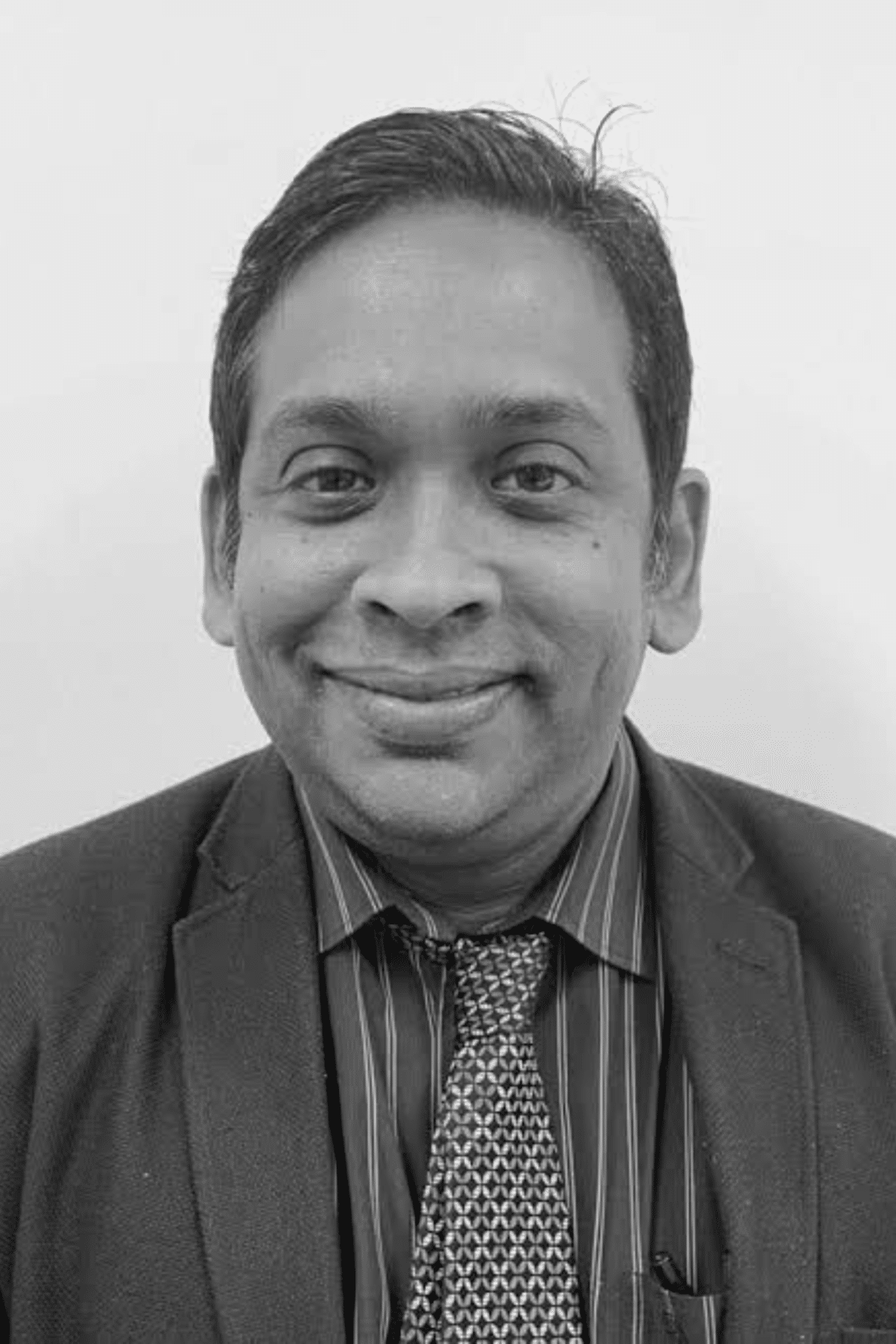
Dr Amit Gupta is a specialist Geriatrician consulting in Manly at South Steyne Medical Centre. He provides comprehensive geriatric assessments for adults aged 65 and over, with a focus on supporting quality of life, safety, independence and coordinated medical care.

What Does a Geriatrician Do?

A geriatrician is a specialist doctor who focuses on the health and wellbeing of older adults. Geriatricians are trained to assess and manage medical, cognitive, psychological and functional issues that commonly affect people as they age.

A geriatric assessment may be helpful when an older person has several health concerns occurring at the same time, or when there has been a change in their memory, mood, mobility or ability to manage day-to-day activities.

Comprehensive Geriatric Assessments in Manly

Dr Amit Gupta provides comprehensive geriatric assessments for older adults in Manly and the surrounding Northern Beaches community.

These assessments may include a review of:

  • Current medical conditions
  • Memory and thinking concerns
  • Mood and emotional wellbeing
  • Falls risk and mobility
  • Medications and general health
  • Function, independence and support needs
  • Recommendations for ongoing management

The aim is to provide a clear, practical medical assessment that can assist the patient, their family and their regular GP.

Cognitive Assessments for Older Adults

Memory changes can be concerning for patients and families. While some forgetfulness can occur with ageing, more noticeable changes in memory, attention, judgement or daily functioning may require further assessment.

Dr Gupta performs cognitive assessments for older adults to help identify possible causes of memory or thinking changes. These assessments may be useful where there are concerns about dementia, mild cognitive impairment, confusion, functional decline or changes noticed by family members or carers.

A cognitive assessment can help guide next steps, including further investigations, management planning, support services and communication with the patient’s GP.

Mood Disorders in the Elderly

Mental health remains important throughout later life. Older adults may experience depression, anxiety, grief, adjustment difficulties or mood changes related to medical illness, social isolation, cognitive decline or changes in independence.

Dr Gupta has an interest in mood disorders in the elderly and can assist with assessment and management planning where mood symptoms are affecting an older person’s wellbeing, function or quality of life.

Falls Prevention and Mobility Concerns

Falls are a major health concern for older adults. A fall can lead to injury, loss of confidence, hospitalisation or reduced independence. Even near-falls or increasing unsteadiness may be a sign that further assessment is needed.

Dr Gupta provides assessment for falls prevention in older adults, including consideration of medical causes, medication effects, balance, strength, mobility, vision, cognition and environmental risks.

The goal is to reduce the risk of future falls and support safer mobility wherever possible.

General Medicine for Adults Over 65

Older adults often live with multiple medical conditions, and these conditions can interact in complex ways. Dr Gupta can assist with general medicine in the elderly, particularly where a patient’s care requires a broad specialist review.

This may include assessment of complex medical issues, frailty, functional decline, medication concerns, mobility changes, cognitive symptoms or overall health planning for adults over 65.

Nursing Home Visits and Residential Aged Care Support

Dr Gupta may also support older adults living in residential aged care settings through nursing home visits, where clinically appropriate.

This may be relevant for residents of aged care facilities in and around Manly, Manly Vale and the Northern Beaches, including patients who require specialist geriatric input for cognitive concerns, falls, mood changes, complex medical needs or functional decline.

Families, carers, aged care teams and local GPs may benefit from specialist geriatric assessment to help guide ongoing care.

Referrals from Local GPs

Dr Gupta welcomes referrals from GPs for older adults who may benefit from specialist geriatric assessment.

Common referral reasons may include:

  • Memory or cognitive concerns
  • Falls or increasing unsteadiness
  • Mood changes in later life
  • Complex medical issues in patients over 65
  • Functional decline
  • Frailty concerns
  • Medication and general medical review
  • Comprehensive geriatric assessment

GPs in Manly and the surrounding Northern Beaches area can refer patients to Dr Amit Gupta at South Steyne Medical Centre.

Important Scope of Practice Note

Dr Gupta provides comprehensive geriatric medical assessments. However, he does not provide assessments for financial capacity decision-making or matters relating to wills.

Patients or families seeking assistance with legal capacity, financial decision-making or wills should seek appropriate legal advice and, where required, referral to a suitably qualified professional.

Book an Appointment with Dr Amit Gupta

Dr Amit Gupta consults at South Steyne Medical Centre in Manly, providing specialist geriatric medicine services for older adults.

To arrange an appointment, patients should speak with their GP about whether a referral to a geriatrician is appropriate.

For more information, contact South Steyne Medical Centre or ask your GP about referral options.

FAQ

What is a comprehensive geriatric assessment?
A comprehensive geriatric assessment is a detailed specialist review of an older person’s medical, cognitive, mood, mobility and functional needs. It helps guide care planning and management.

Who should see a geriatrician?
Adults over 65 may benefit from seeing a geriatrician if they have memory concerns, falls, mood changes, complex medical issues, frailty, functional decline or multiple interacting health conditions.

Does Dr Amit Gupta provide cognitive assessments?
Yes. Dr Gupta performs cognitive assessments for older adults where there are concerns about memory, thinking, confusion or possible cognitive decline.

Can a geriatrician help with falls prevention?
Yes. A geriatrician can assess possible medical, medication-related, cognitive, mobility and balance factors that may contribute to falls risk.

Does Dr Gupta assess financial capacity or wills?
No. Dr Gupta does not provide financial capacity decision-making assessments or assessments related to wills.

Where does Dr Amit Gupta consult?
Dr Amit Gupta consults at South Steyne Medical Centre in Manly.


keloid-scar-treatment-manly.png
02/Jul/2026

Keloid Scar Treatment in Manly

If you are looking for keloid scar treatment in Manly, South Steyne Medical Centre offers assessment and treatment options with Dr Mohammad Khalesi.

Keloid scars are raised, thickened scars that can continue to grow beyond the original area of injury. They may be itchy, tender, uncomfortable or cosmetically concerning. Some people develop keloid scars after acne, piercings, surgery, burns, cuts or even minor skin injuries.

Dr Mohammad Khalesi is a GP with a special interest in skin cancer medicine and advanced skin procedures. At South Steyne Medical Centre in Manly, he can assess raised scars and keloid scars and discuss whether treatment, monitoring or referral is the most appropriate next step.

What Is a Keloid Scar?

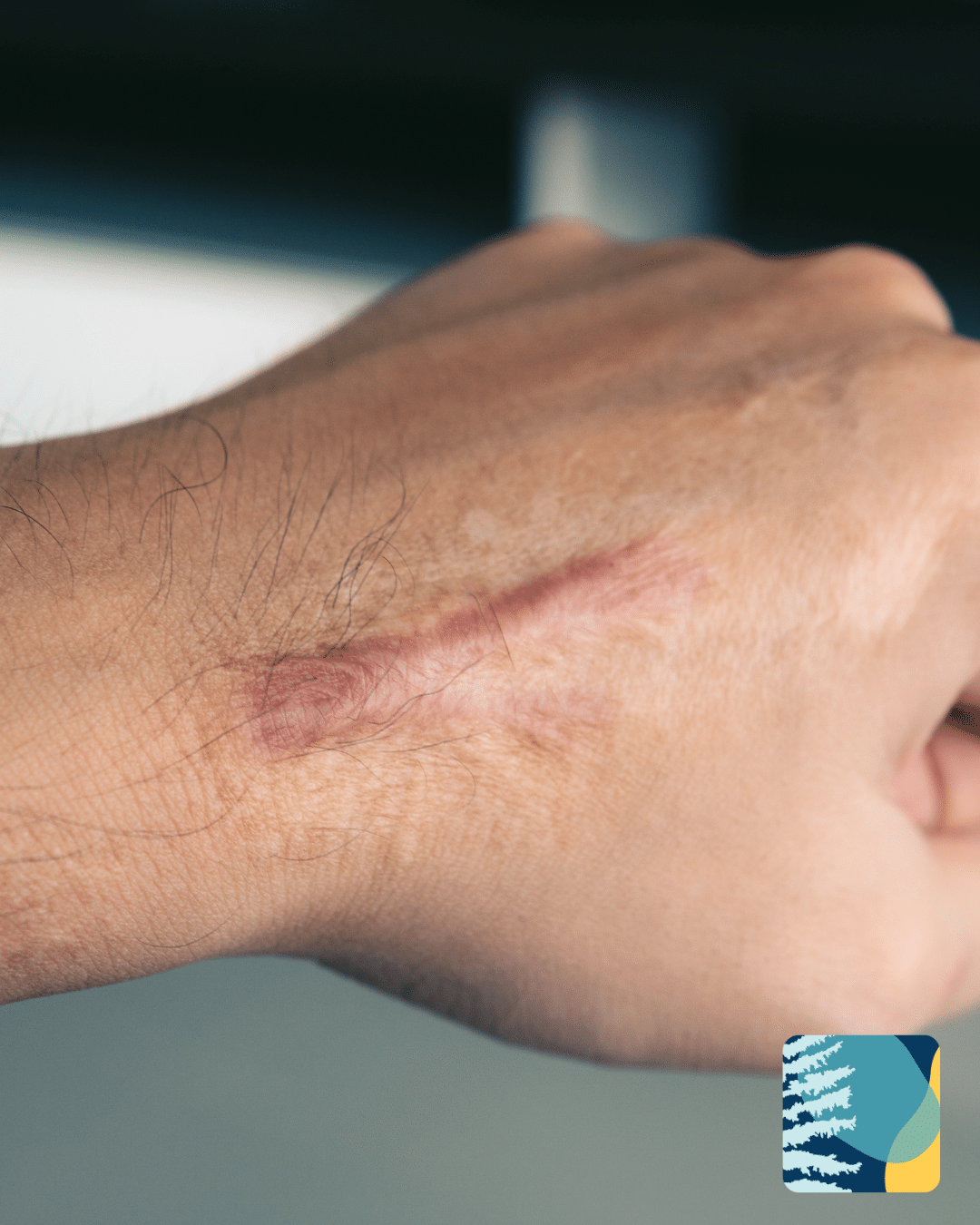
A keloid scar is an overgrowth of scar tissue. Unlike a standard scar, a keloid can extend beyond the original wound and may become raised, firm, shiny or darker than the surrounding skin.

Keloid scars can occur anywhere on the body, but they are more common on areas such as:

  • Chest
  • Shoulders
  • Upper back
  • Earlobes
  • Jawline
  • Neck
  • Arms

Some keloids are small and stable, while others can grow over time or become uncomfortable.

What Causes Keloid Scars?

Keloid scars form when the body produces too much collagen during the healing process. They can occur after even minor skin trauma.

Common triggers may include:

  • Acne
  • Ear or body piercings
  • Surgical procedures
  • Burns
  • Cuts or grazes
  • Insect bites
  • Skin infections
  • Vaccination sites
  • Previous skin procedures

Some people are more prone to keloid scarring because of their skin type, family history or previous history of raised scars.

When Should You Have a Keloid Scar Assessed?

You may wish to book an appointment if a scar is becoming raised, itchy, painful, growing or causing cosmetic concern.

A keloid scar should be assessed if it:

  • Is increasing in size
  • Is painful, itchy or tender
  • Is becoming darker or more raised
  • Is affecting movement or comfort
  • Has developed after surgery, acne or piercing
  • Is cosmetically concerning
  • Has returned after previous treatment
  • Is difficult to distinguish from another skin lesion

A proper assessment can help confirm whether the scar is a keloid, hypertrophic scar or another type of skin change.

Keloid Scar Assessment at South Steyne Medical Centre

During an appointment, Dr Khalesi will assess the scar and discuss how it developed, how long it has been present and whether it has changed.

The assessment may include:

  • Reviewing the original injury or trigger
  • Checking the size, location and appearance of the scar
  • Asking about pain, itch or tenderness
  • Discussing previous treatments
  • Considering your history of keloid scarring
  • Discussing realistic treatment expectations
  • Considering referral if specialist management is needed

Keloid scars can be difficult to treat and may recur, so it is important to have a clear discussion about likely outcomes.

Keloid Scar Treatment Options in Manly

Treatment depends on the size, location, symptoms and history of the scar. Not every keloid needs treatment, particularly if it is small, stable and not causing symptoms.

Where clinically appropriate, treatment options may include:

  • Monitoring and reassurance
  • Scar care advice
  • Silicone gel or silicone dressings
  • Steroid injection treatment
  • Management of itch or irritation
  • Discussion of recurrence risk
  • Referral to a dermatologist or plastic surgeon where needed

The aim of treatment may be to flatten the scar, reduce symptoms, improve comfort or reduce cosmetic concern. Complete removal or disappearance of a keloid is not always possible.

Steroid Injections for Keloid Scars

Steroid injections are commonly used to help reduce thickened or raised scar tissue. They may help flatten some keloid scars and reduce symptoms such as itching or tenderness.

Treatment usually requires careful assessment and may involve more than one session. Results vary depending on the scar, how long it has been present, its location and individual healing factors.

Dr Khalesi can assess whether steroid injection treatment may be suitable for your scar.

Can Keloid Scars Be Removed?

Surgical removal of keloid scars is not always recommended because keloids can recur, and sometimes they can return larger than before. In some cases, excision may be considered as part of a specialist treatment plan, but this depends on the scar and patient factors.

For many patients, the goal is not simply to cut the scar out, but to manage symptoms, reduce thickness and minimise recurrence risk.

Dr Khalesi can discuss whether treatment at South Steyne Medical Centre is appropriate or whether referral is recommended.

Why Realistic Expectations Matter

Keloid scars can be persistent. Treatment may improve the appearance or symptoms of a scar, but results vary and recurrence can occur.

Before recommending treatment, Dr Khalesi will explain:

  • What the treatment is intended to achieve
  • Whether multiple treatments may be needed
  • The risk of recurrence
  • Possible side effects
  • Whether specialist referral is appropriate
  • How to care for the scar between treatments

This helps patients make informed decisions about their care.

About Dr Mohammad Khalesi

Dr Mohammad Khalesi is a GP consulting at South Steyne Medical Centre with a special interest in skin cancer medicine and advanced skin procedures.

He has completed a PhD in Skin Cancer Medicine and has experience in the assessment and procedural management of selected skin concerns, including keloid scars, skin cancers, moles, cysts, lipomas and other lumps and bumps.

You can read more about Dr Mohammad Khalesi here:
[Insert link to Dr Mohammad Khalesi’s SSMC profile]

Book Keloid Scar Treatment in Manly

If you have a raised, thickened or uncomfortable scar, you can book an appointment with Dr Mohammad Khalesi at South Steyne Medical Centre in Manly.

Book online via HotDoc.

For general enquiries or if you would prefer to contact the practice directly.

You can also learn more about related services here.

Frequently Asked Questions

What is the best keyword for this page?

The best patient-focused keyword is keloid scar treatment Manly. Patients are more likely to search for treatment than for the more clinical phrase “keloid scar assessment”.

What is a keloid scar?

A keloid scar is a raised, thickened scar that can grow beyond the original area of injury. It may be itchy, tender, firm or cosmetically concerning.

Can Dr Khalesi treat keloid scars at South Steyne Medical Centre?

Dr Khalesi can assess keloid scars and discuss suitable treatment options. Some scars may be managed at South Steyne Medical Centre, while others may require specialist referral.

Do keloid scars go away by themselves?

Keloid scars usually do not disappear on their own. Some may become less active over time, but raised scar tissue often persists without treatment.

What treatments are available for keloid scars?

Treatment options may include scar care advice, silicone products, steroid injections, symptom management or referral to a dermatologist or plastic surgeon.

Are steroid injections used for keloid scars?

Steroid injections may be used for selected keloid scars to help reduce thickness, itch or tenderness. Dr Khalesi can advise whether this is suitable.

Can a keloid scar be cut out?

Surgical removal is not always recommended because keloids can recur. In some cases, specialist management may be appropriate.

Will treatment completely remove the keloid?

Not always. Treatment may improve symptoms or flatten the scar, but complete removal cannot be guaranteed and recurrence can occur.

Why do some people get keloid scars?

Some people are more prone to keloids because of genetics, skin type, previous scarring history or how their body heals after skin injury.

Can I book directly with Dr Mohammad Khalesi?

Yes. Patients can book with Dr Khalesi through HotDoc or contact South Steyne Medical Centre directly for assistance.


lipoma-removal-manly.png
02/Jul/2026

Lipoma Removal in Manly

If you are looking for lipoma removal in Manly, South Steyne Medical Centre offers assessment and procedural care with Dr Mohammad Khalesi.

Lipomas are common soft tissue lumps that usually sit under the skin. They are often soft or rubbery to touch and may grow slowly over time. Many lipomas are harmless, but they can become uncomfortable, noticeable, irritating or cosmetically concerning.

Dr Mohammad Khalesi is a GP with a special interest in skin cancer medicine and advanced skin procedures. At South Steyne Medical Centre in Manly, he can assess soft tissue lumps and discuss whether monitoring, imaging, removal or referral is the most appropriate next step.

What Is a Lipoma?

A lipoma is a benign growth of fatty tissue beneath the skin. Lipomas can occur in many areas of the body, including the shoulders, back, arms, neck, chest, abdomen and thighs.

Common features of a lipoma may include:

  • A soft or rubbery lump under the skin
  • A lump that moves slightly when pressed
  • Slow growth over time
  • Usually painless, although some can become uncomfortable
  • A rounded or oval shape
  • A lump that may be more noticeable with movement or clothing

Although lipomas are usually benign, it is still important to have any new or changing lump assessed by a doctor.

When Should You Have a Lipoma Checked?

You should book an appointment if you have a lump that is new, growing, painful, firm, fixed in place, changing quickly or causing concern.

A lump should be assessed if it:

  • Is increasing in size
  • Becomes painful or tender
  • Feels hard or fixed
  • Changes shape
  • Is larger than expected
  • Causes discomfort with clothing or movement
  • Is cosmetically concerning
  • Has appeared suddenly
  • Does not feel like a typical lipoma

Not every soft tissue lump is a lipoma. Other possibilities may include cysts, enlarged lymph nodes, abscesses, skin cancers or other soft tissue lesions.

Lipoma Assessment at South Steyne Medical Centre

During an appointment, Dr Khalesi will examine the lump and discuss your symptoms, how long it has been present and whether it has changed.

The assessment may include:

  • Checking the size and location of the lump
  • Assessing whether it feels soft, firm, mobile or fixed
  • Asking about pain, growth or irritation
  • Reviewing your medical history
  • Considering whether imaging is needed
  • Discussing whether removal is appropriate
  • Considering referral if the lump is large, deep or complex

Some lipomas can be removed in a general practice setting. Others may require imaging or specialist surgical management.

Lipoma Removal in Manly

Where clinically appropriate, Dr Khalesi can remove suitable lipomas at South Steyne Medical Centre.

Lipoma removal is usually performed under local anaesthetic. The procedure generally involves making an incision over the lump, carefully removing the lipoma and closing the wound with sutures if required.

The exact approach depends on the size, depth and location of the lipoma.

Why Might Someone Choose Lipoma Removal?

Many lipomas do not need to be removed. However, removal may be considered if the lipoma is:

  • Painful or uncomfortable
  • Growing over time
  • Irritated by clothing or movement
  • Cosmetically concerning
  • In an awkward or sensitive location
  • Causing uncertainty about the diagnosis
  • Affecting daily activities

Dr Khalesi will discuss the benefits, risks and alternatives before recommending removal.

Can All Lipomas Be Removed in General Practice?

No. Some lipomas are better managed by a specialist, particularly if they are large, deep, rapidly growing, painful, fixed or located near important structures.

Dr Khalesi may recommend imaging or referral if the lump is not typical or if removal in a general practice setting is not suitable.

The priority is always safe and appropriate care.

Will Lipoma Removal Leave a Scar?

Any procedure that cuts the skin can leave a scar. The size and appearance of the scar depends on the size and location of the lipoma, the incision required, wound closure, healing process and individual skin type.

Before the procedure, Dr Khalesi will explain what to expect, including scarring, wound care and follow-up.

About Dr Mohammad Khalesi

Dr Mohammad Khalesi is a GP consulting at South Steyne Medical Centre with a special interest in skin cancer medicine and advanced skin procedures.

He has completed a PhD in Skin Cancer Medicine and has experience in the assessment and procedural management of selected skin lesions, including lipomas, cysts, moles, skin cancers and other lumps and bumps.

You can read more about Dr Mohammad Khalesi here:
[Insert link to Dr Mohammad Khalesi’s SSMC profile]

Book Lipoma Removal in Manly

If you have a soft tissue lump or suspected lipoma you would like assessed, you can book an appointment with Dr Mohammad Khalesi at South Steyne Medical Centre in Manly.

Book online via HotDoc.

For general enquiries or if you would prefer to contact the practice directly.

You can also learn more about related services here.

Frequently Asked Questions

What is the best keyword for this page?

The best patient-focused keyword is lipoma removal Manly. Patients are likely to search this when they have a soft lump and want to know whether it can be assessed or removed locally.

Can Dr Khalesi remove lipomas at South Steyne Medical Centre?

Dr Khalesi can assess and remove suitable lipomas where clinically appropriate. Some lipomas may require imaging or referral depending on size, depth, location or complexity.

Does every lipoma need to be removed?

No. Many lipomas are harmless and do not need removal unless they are painful, growing, uncomfortable, cosmetically concerning or uncertain in diagnosis.

How do I know if my lump is a lipoma?

A doctor can assess the lump based on its feel, location, size and history. Sometimes imaging may be needed to confirm the diagnosis.

Is lipoma removal painful?

Lipoma removal is usually performed under local anaesthetic, so the area should be numb during the procedure. Some discomfort may occur after the anaesthetic wears off.

Will lipoma removal leave a scar?

Yes, any surgical removal can leave a scar. The size and appearance of the scar depends on the lipoma, location, procedure and individual healing.

Can a lipoma come back after removal?

Lipomas can recur, although this is not always common. Recurrence may depend on whether the lipoma can be completely removed and individual factors.

When should a lump be checked urgently?

A lump should be assessed promptly if it is growing quickly, painful, hard, fixed in place, changing shape or associated with other concerning symptoms.

Can I remove a lipoma myself?

No. Attempting to remove or drain a lump yourself can cause infection, bleeding, scarring and other complications. It should be assessed by a doctor.

Can I book directly with Dr Mohammad Khalesi?

Yes. Patients can book with Dr Khalesi through HotDoc or contact South Steyne Medical Centre directly for assistance.


cyst-removal-manly.png
02/Jul/2026

Cyst Removal in Manly

If you are looking for cyst removal in Manly, South Steyne Medical Centre offers local assessment and procedural care with Dr Mohammad Khalesi.

Skin cysts are common and often appear as small lumps under the skin. Many cysts are harmless, but they can become uncomfortable, inflamed, infected, irritated or cosmetically concerning. Some cysts may also slowly increase in size over time.

Dr Mohammad Khalesi is a GP with a special interest in skin cancer medicine and advanced skin procedures. At South Steyne Medical Centre in Manly, he can assess skin cysts and discuss whether removal, monitoring, treatment of inflammation or referral is the most appropriate next step.

What Is a Skin Cyst?

A skin cyst is a closed sac under the skin that may contain fluid, keratin or other material. Cysts can occur on many areas of the body, including the face, scalp, neck, back, chest and shoulders.

Common features of a cyst may include:

  • A rounded lump under the skin
  • A smooth or firm texture
  • Slow growth over time
  • Tenderness if inflamed
  • Redness or swelling if infected
  • Discharge if the cyst opens or ruptures
  • Irritation from clothing, shaving or pressure

Not every lump is a cyst, so proper medical assessment is important before deciding on treatment.

When Should You Have a Cyst Checked?

You should consider booking an appointment if a lump or cyst is new, growing, painful, inflamed, recurrent or causing concern.

A cyst should be assessed if it:

  • Becomes painful or tender
  • Turns red, swollen or warm
  • Starts leaking or discharging
  • Increases in size
  • Keeps coming back
  • Is in a visible or sensitive area
  • Is being irritated by clothing or shaving
  • Does not feel like a typical cyst
  • Has changed quickly

Some cysts may be safely monitored. Others may require treatment, removal or referral.

Cyst Removal at South Steyne Medical Centre

Dr Khalesi provides assessment and removal of suitable skin cysts at South Steyne Medical Centre in Manly.

Before recommending cyst removal, he will assess the lump, its location, size, symptoms and whether there are signs of inflammation or infection. If a cyst is actively infected or very inflamed, it may be better to treat the infection or inflammation first before planning removal.

Where removal is appropriate, cyst removal is usually performed under local anaesthetic. The aim is generally to remove the cyst and cyst wall where possible, as this may reduce the chance of recurrence.

What Happens During Cyst Removal?

If cyst removal is recommended, Dr Khalesi will explain the procedure, expected healing time, scarring risk and any follow-up required.

The procedure may involve:

  • Cleaning and preparing the skin
  • Numbing the area with local anaesthetic
  • Making a small incision over or near the cyst
  • Removing the cyst and cyst wall where possible
  • Closing the wound with sutures if required
  • Applying a dressing
  • Providing wound care instructions
  • Arranging follow-up or suture removal if needed

The exact approach depends on the size, location and nature of the cyst.

Can a Cyst Come Back After Removal?

Yes, cysts can sometimes recur after removal. Recurrence is more likely if the cyst wall cannot be completely removed, or if the cyst has ruptured or been inflamed.

Dr Khalesi will discuss this risk with you before the procedure. If a cyst is complex, recurrent, very large or located in a difficult area, referral may be recommended.

Cyst Removal on the Face, Scalp and Neck

Cysts on the face, scalp and neck can be particularly bothersome because they may be visible, uncomfortable or difficult to ignore.

Procedures in these areas require careful planning because cosmetic outcomes, wound healing and nearby structures need to be considered. Dr Khalesi will assess whether removal can be performed safely at South Steyne Medical Centre or whether referral to a specialist is more appropriate.

Is Every Lump a Cyst?

No. While cysts are common, not every lump under the skin is a cyst. Other possibilities may include lipomas, enlarged lymph nodes, abscesses, skin cancers or other soft tissue lesions.

This is why assessment is important before removal. Dr Khalesi will examine the lump and discuss whether further investigation, imaging, removal or referral is needed.

About Dr Mohammad Khalesi

Dr Mohammad Khalesi is a GP consulting at South Steyne Medical Centre with a special interest in skin cancer medicine and advanced skin procedures.

He has completed a PhD in Skin Cancer Medicine and has experience in the assessment and procedural management of selected skin lesions, including cysts, moles, skin cancers and other lumps and bumps.

You can read more about Dr Mohammad Khalesi here:
[Insert link to Dr Mohammad Khalesi’s SSMC profile]

Book Cyst Removal in Manly

If you have a cyst or lump you would like assessed, you can book an appointment with Dr Mohammad Khalesi at South Steyne Medical Centre in Manly.

Book online via HotDoc.

For general enquiries or if you would prefer to contact the practice directly.

You can also learn more about related services here.

Frequently Asked Questions

What is the best keyword for this page?

The best patient-focused keyword is cyst removal Manly. Patients are likely to search for this phrase when they have a cyst and want to know whether it can be removed locally.

Can Dr Khalesi remove cysts at South Steyne Medical Centre?

Dr Khalesi can assess and remove suitable skin cysts where clinically appropriate. Some cysts may require referral depending on their size, location, complexity or whether they are infected.

Does a cyst need to be removed?

Not always. Some cysts can be safely monitored if they are small, not painful and not causing concern. Removal may be considered if the cyst is painful, recurrent, growing, inflamed or bothersome.

Can an infected cyst be removed straight away?

Sometimes an infected or inflamed cyst needs treatment first before removal is planned. Dr Khalesi will assess the cyst and advise the safest approach.

Is cyst removal painful?

Cyst removal is usually performed under local anaesthetic, so the area should be numb during the procedure. Some discomfort may occur after the anaesthetic wears off.

Will cyst removal leave a scar?

Any procedure that cuts the skin can leave a scar. The size and appearance of the scar depends on the cyst, location, removal technique, healing process and individual skin type.

Can a cyst come back after removal?

Yes, cysts can recur, particularly if the cyst wall cannot be fully removed or if the cyst has previously ruptured or become inflamed.

How long does healing take after cyst removal?

Healing time varies depending on the size and location of the cyst and whether sutures are required. You will be given wound care instructions after the procedure.

Should I squeeze or drain a cyst myself?

No. Squeezing or attempting to drain a cyst can increase the risk of infection, inflammation and scarring. It is better to have the cyst assessed by a doctor.

Can I book directly with Dr Mohammad Khalesi?

Yes. Patients can book with Dr Khalesi through HotDoc or contact South Steyne Medical Centre directly for assistance.


facial-skin-lesion-removal-manly.png
02/Jul/2026

Facial Skin Lesion Removal in Manly

If you are concerned about a mole, lump, cyst, skin cancer or other mark on your face, South Steyne Medical Centre offers facial skin lesion removal in Manly with Dr Mohammad Khalesi.

Skin concerns on the face can be stressful. Patients are often worried about whether the lesion is serious, whether it needs to be removed, and what the area will look like afterwards. Because the face is highly visible, any procedure needs careful assessment and planning.

Dr Mohammad Khalesi is a GP with a special interest in skin cancer medicine and advanced skin procedures. He has completed a PhD in Skin Cancer Medicine and has experience in the assessment, prevention and surgical management of skin cancers, moles and selected skin lesions.

At South Steyne Medical Centre in Manly, Dr Khalesi can assess facial skin lesions and discuss whether removal, monitoring, biopsy or referral is the most appropriate next step.

What Is a Facial Skin Lesion?

A facial skin lesion is a general term for a mark, lump, mole, cyst, spot or growth on the face. Some facial lesions are harmless, while others may require closer assessment or removal.

Common facial skin concerns may include:

  • Moles
  • Suspicious skin lesions
  • Skin cancers
  • Cysts
  • Raised spots or lumps
  • Non-healing sores
  • Crusting or bleeding lesions
  • Sun-damaged areas
  • Lesions that are irritated by shaving, glasses or clothing

Not every facial lesion needs to be removed. The first step is a proper medical assessment.

Facial Skin Lesion Assessment at South Steyne Medical Centre

During an appointment, Dr Khalesi will assess the lesion and consider its appearance, history and any changes over time.

This may include:

  • Asking when the lesion first appeared
  • Checking whether it has changed in size, shape or colour
  • Assessing whether it bleeds, crusts, itches or becomes painful
  • Considering your skin type and sun exposure history
  • Reviewing any personal or family history of skin cancer
  • Discussing whether removal, biopsy, monitoring or referral is appropriate

For lesions that may be suspicious, pathology testing may be recommended if removal or biopsy is performed.

Facial Mole Removal in Manly

Many patients seek assessment for facial moles because they are changing, irritated, difficult to monitor or cosmetically concerning.

Dr Khalesi can assess facial moles and advise whether removal is clinically appropriate. If removal is recommended, he will explain the procedure, scarring risk, expected healing time and whether the mole should be sent to pathology.

Facial mole removal requires careful planning because the face is a cosmetically sensitive area. In some cases, removal can be performed at South Steyne Medical Centre. In other cases, referral to a dermatologist or plastic surgeon may be the safest option.

Facial Skin Cancer Removal in Manly

The face is one of the most common areas for sun-related skin damage and skin cancer, particularly in people who have spent many years outdoors.

Facial skin cancers or suspicious lesions should be assessed promptly, especially if they are growing, bleeding, crusting, changing or not healing.

Where clinically appropriate, Dr Khalesi can perform removal of suitable facial skin cancers or suspicious lesions. The tissue is usually sent to pathology to confirm the diagnosis and guide any further management.

Some facial skin cancers may require specialist referral, particularly if they are large, complex, recurrent or located in a high-risk area.

Why Facial Skin Procedures Need Careful Planning

Procedures on the face require particular care because even small changes can affect appearance, comfort and function.

When assessing a facial skin lesion, Dr Khalesi considers:

  • The size and location of the lesion
  • Whether the lesion may be suspicious
  • Whether pathology testing is needed
  • The likely wound closure method
  • Skin tension and healing
  • Scarring risk
  • Cosmetic outcome
  • Whether specialist referral is appropriate

The priority is always safe, clinically appropriate care.

Will Facial Skin Lesion Removal Leave a Scar?

Any procedure that cuts the skin can leave a scar. The size and appearance of the scar depends on the lesion, its location, the removal technique, wound closure, healing process and individual skin type.

Before any procedure, Dr Khalesi will discuss what to expect, including scarring, wound care and follow-up. For some lesions, referral may be recommended if the location or complexity means specialist care is more appropriate.

About Dr Mohammad Khalesi

Dr Mohammad Khalesi is a GP consulting at South Steyne Medical Centre with a special interest in skin cancer medicine and advanced skin procedures.

He has completed a PhD in Skin Cancer Medicine and has been featured as an expert on SBS News Podcast and 7NEWS TV discussing ultraviolet radiation, sunscreen and skin cancer prevention.

You can read more about Dr Mohammad Khalesi here:
[Insert link to Dr Mohammad Khalesi’s SSMC profile]

Book Facial Skin Lesion Removal in Manly

If you are concerned about a mole, lump, cyst, skin cancer or other facial skin lesion, you can book an appointment with Dr Mohammad Khalesi at South Steyne Medical Centre.

Book online via HotDoc.

For general enquiries or if you would prefer to contact the practice directly.

You can also learn more about related services here.

Frequently Asked Questions

What is the best keyword instead of facial skin procedures?

A better patient-focused keyword is facial skin lesion removal Manly. Patients are more likely to search for help with a mole, skin cancer, cyst, lump or lesion on their face than for the broader phrase “facial skin procedures”.

Can Dr Khalesi remove moles from the face?

Dr Khalesi can assess facial moles and remove suitable lesions where clinically appropriate. Some facial moles may require referral depending on their features, location or complexity.

Can facial skin cancers be removed at South Steyne Medical Centre?

Some facial skin cancers or suspicious lesions may be suitable for removal at South Steyne Medical Centre. More complex lesions may require referral to a dermatologist, plastic surgeon or other specialist.

Should I worry about a non-healing spot on my face?

A non-healing spot, especially one that bleeds, crusts, grows or keeps returning, should be assessed by a doctor. It may be harmless, but it can also be a sign of skin cancer.

Will facial lesion removal leave a visible scar?

Any skin procedure can leave a scar. Dr Khalesi will discuss scarring, wound care and expected healing before the procedure. The face often heals well, but results vary between patients.

Is facial skin lesion removal painful?

Procedures are usually performed under local anaesthetic, so the area should be numb during the procedure. Some discomfort may occur after the anaesthetic wears off.

Will the lesion be sent to pathology?

If a lesion is suspicious or removed for clinical reasons, it is usually sent to pathology. This helps confirm the diagnosis and guide further care.

Can I have a facial lesion removed for cosmetic reasons?

Some facial lesions may be removed because they are irritated, bothersome or cosmetically concerning. Dr Khalesi will assess the lesion first and discuss whether removal is appropriate.

How long does healing take after facial lesion removal?

Healing time depends on the size and location of the lesion and the type of procedure performed. You will be given wound care instructions and advised when to return for follow-up if needed.

Can I book directly with Dr Mohammad Khalesi?

Yes. Patients can book with Dr Khalesi through HotDoc or contact South Steyne Medical Centre directly for assistance.


Contact us


Call us

(02) 7209 2920


Visit us

15 South Steyne, Manly NSW 2095


Send us an email

ssmadmin@southsteynemedical.com


Social networks


Copyright by South Steyne Medical Centre 2026. All rights reserved.